
Beautiful Plants For Your Interior
Beautiful Plants For Your Interior
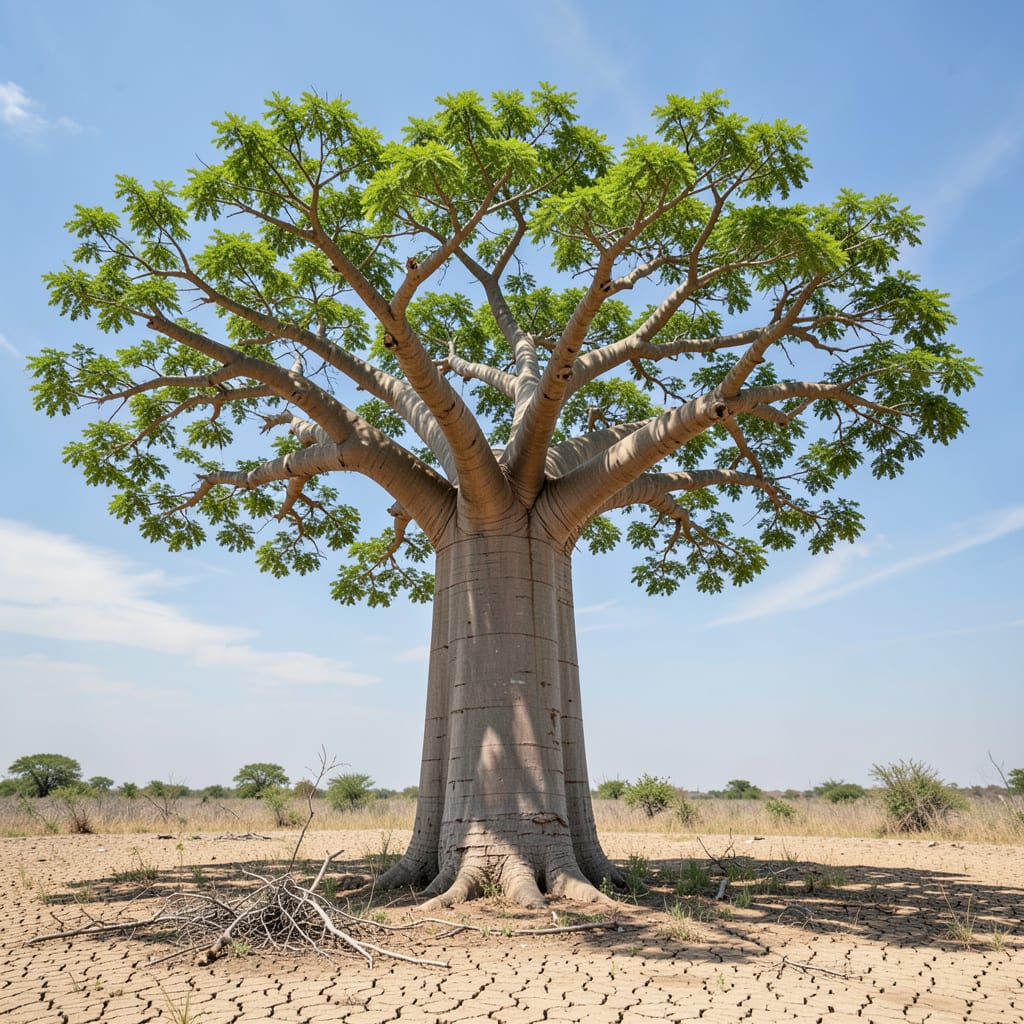
I’ve always been fascinated by the majestic Baobab tree 🌳, known for its impressive size and longevity. These natural giants can be found in various parts of the world, particularly in regions with warm climates.
The Baobab tree’s growth is influenced by factors such as climate, soil quality, and maintenance practices, allowing it to reach remarkable heights – sometimes taller than a 6-story building. Let’s explore the maximum height potential of these incredible trees.


Baobab trees are known for their impressive size and longevity, with some species reaching remarkable heights. The maximum height potential of these trees is influenced by various factors, including species variations and environmental conditions 🌳.
The height of baobab trees can vary significantly depending on the species and growing conditions. Some species are naturally taller than others, and factors such as climate, soil quality, and maintenance practices can also impact their vertical growth.
The baobab tree’s height is influenced by its species, with some varieties naturally growing taller than others. Environmental factors such as climate, soil quality, and available sunlight also play a crucial role in determining the tree’s maximum height.
In ideal conditions, with full sun and well-drained soil, baobab trees can reach their heights to over 80 feet. However, factors like drought, poor soil, and inadequate maintenance can limit their growth potential.
Baobab trees are known for their slow growth rate, especially in the early years. They can take several decades to reach their full height, but their longevity and unique appearance make them a fascinating addition to any landscape 🌟.
Some of the key factors that influence the height of baobab trees include climate, soil quality, and maintenance practices. Understanding these factors can help in cultivating healthy and tall baobab trees.
Baobab trees are native to regions with warm climates, and they thrive in areas with full sun and well-drained soil. Providing the right growing conditions is essential for these trees to reach their maximum height potential.
The Adansonia digitata species is one of the most common baobab species and can grow to impressive heights. Other species, such as Adansonia gregorii, also exhibit significant height potential.
Baobab trees have adapted to survive in harsh environments, and their height is a testament to their resilience. These trees can live for hundreds of years, continuing to grow and thrive in challenging conditions.
In conclusion, baobab trees have the potential to grow to remarkable heights, with some species reaching over 100 feet. By understanding the factors that influence their growth, we can better appreciate these incredible trees and their unique characteristics 🌳.
Baobab trees are remarkable for their size and longevity, but their growth is influenced by several key factors. Understanding these factors is crucial for cultivating healthy and tall baobab trees 🌳.
The height of baobab trees can be significantly impacted by environmental conditions and maintenance practices. Factors such as climate, soil quality, and available sunlight play a crucial role in determining the tree’s maximum height.
Baobab trees thrive in warm climates with full sun and low humidity. Extreme weather conditions can impact their growth rate and maximum height 🌟.
Baobab trees prefer well-drained soil with good aeration. Poor soil quality can limit the tree’s growth potential and affect its overall health 🌱.
Regular maintenance, including proper watering and fertilization, can support the healthy growth of baobab trees and help them reach their maximum height potential 🌿.
Baobab trees are known for their slow growth rate, especially in the early years. They can take several decades to reach their full height, but their longevity and unique appearance make them a fascinating addition to any landscape 🌟.
The Adansonia digitata species is one of the most common baobab species and can grow to impressive heights. Other species, such as Adansonia gregorii, also exhibit significant height potential 🌳.
Baobab trees have adapted to survive in harsh environments, and their height is a testament to their resilience. These trees can live for hundreds of years, continuing to grow and thrive in challenging conditions 🌟.
In conclusion, understanding the factors that influence baobab tree growth is essential for cultivating healthy and tall trees. By providing the right growing conditions and maintenance practices, we can support these incredible trees in reaching their maximum height potential 🌳.
Baobab trees are known for their impressive size and longevity, with various species exhibiting different growth characteristics. The height of these trees can vary significantly depending on the species and growing conditions 🌳.
Different baobab species have unique growth patterns and maximum height potentials. Understanding these variations is essential for appreciating the diversity within the baobab family.
The height of baobab trees is influenced by their native region and the specific growing conditions they encounter. Trees growing in their natural habitat tend to reach their maximum height potential more effectively 🌟.
Baobab trees have adapted to various environments, from the savannas of Africa to the dry regions of Australia. Their ability to thrive in different climates contributes to their impressive height variations 🌳.
Some baobab species are more resilient to harsh conditions than others, affecting their overall growth and height. Understanding these differences is crucial for cultivating these trees in different parts of the world 🌟.
Baobab trees continue to fascinate with their unique characteristics and growth patterns. Their height is just one aspect of their remarkable nature, making them a subject of interest for botanists and nature enthusiasts alike 🌳.
In conclusion, the height of baobab trees varies significantly across different species and regions. By comparing these variations, we can gain a deeper appreciation for the adaptability and resilience of these incredible trees 🌟.
Baobab trees typically grow to around 80 feet when mature, although some species can reach heights of up to 100 feet in ideal conditions. The height can vary significantly depending on the species and growing conditions. Proper care and maintenance can help these trees reach their maximum height potential.
Baobab trees are known for their slow growth rate, especially in the early years. They can take several decades to reach their full height, with some species taking up to 100 years or more to mature. Factors like climate, soil quality, and maintenance practices can influence their growth rate.
The height of baobab trees is influenced by several key factors, including climate, soil quality, and maintenance practices. Trees growing in their natural habitat with full sun and well-drained soil tend to reach their maximum height potential more effectively. Understanding these factors can help in cultivating healthy and tall baobab trees.
While baobab trees can be grown in containers, their height potential may be limited by the container’s size. To support healthy growth, use a large container with good drainage and provide regular maintenance, including proper watering and fertilization. However, trees grown in containers may not reach the same heights as those grown in the ground.
