
Beautiful Plants For Your Interior
Beautiful Plants For Your Interior
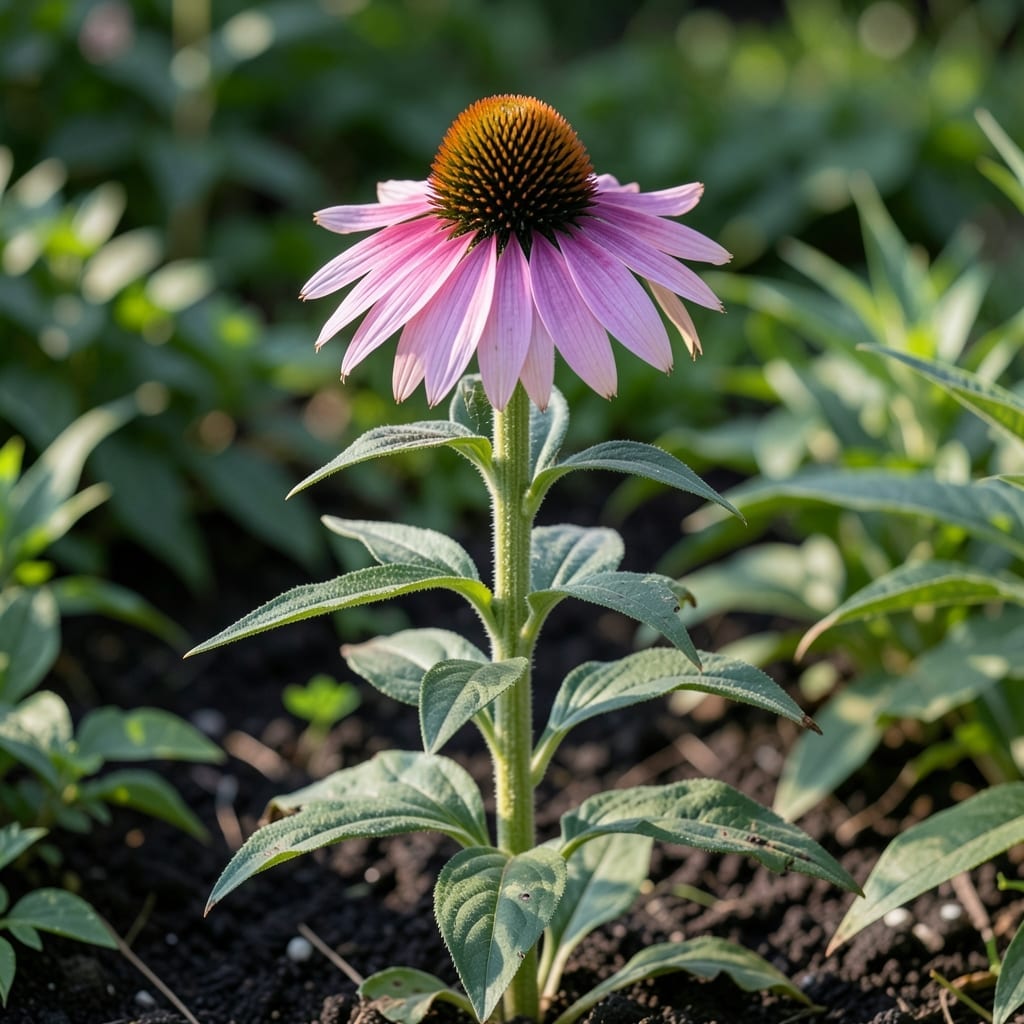
Coneflowers are a garden favorite, but their height can surprise you. These hardy perennials don’t all grow the same, with some reaching just 1-2 feet while others stretch up to 5 feet tall.
Whether you’re designing a pollinator garden or a wildflower meadow, knowing their mature height is the key to perfect placement. The variation between cultivars is wider than many gardeners expect.
Let me walk you through the typical height ranges and how to use this knowledge for your best garden layout yet. You’ll be amazed at the difference it makes.


If you’ve ever wondered how tall coneflowers grow, the answer depends on the variety. These hardy perennials can range from compact 1-foot dwarf types to towering 5-foot giants.
Most gardeners see Echinacea purpurea reach 2-4 feet tall in ideal conditions. But newer cultivars offer more options than ever before.
| Variety | Typical Height | Notes |
|---|---|---|
| Echinacea purpurea | 2-4 feet | Classic purple coneflower |
| ‘Kim’s Knee High’ | 18-24 inches | Popular dwarf variety |
| ‘Magnus’ | 2-3 feet | Vigorous bloomer |
| Echinacea pallida | 3-5 feet | Tall pale purple |
| ‘Cheyenne Spirit’ | 2-3 feet | Colorful mix |
The dwarf varieties like ‘Kim’s Knee High’ stay under 2 feet tall, perfect for container gardens or front borders. They pack all the pollinator appeal in a smaller package.
At the other extreme, Echinacea pallida can reach 5 feet in optimal conditions. These taller types work beautifully as back-of-border plants or for creating wildflower meadows.
Most standard Echinacea purpurea plants fall in the 2-4 foot range. This makes them ideal for middle borders where they can be seen but won’t overwhelm other plants.
Newer hybrids like ‘Cheyenne Spirit’ offer 2-3 foot heights with a rainbow of colors. These are great for cutting gardens as their stems are sturdy enough for bouquets.
Remember that height can vary based on your specific growing conditions. In poor soil or shade, even tall varieties may stay shorter than their potential.
For the most consistent heights, plant in full sun and well-draining soil. This helps each variety reach its genetic potential for your landscape design. 🌼
While genetics set the baseline for coneflower height, your growing conditions can make a big difference. Even dwarf varieties may stretch taller in ideal environments.
Sunlight is perhaps the most critical factor. Coneflowers need full sun (6+ hours daily) to reach their maximum height. In shady spots, they’ll often stay shorter.
Soil quality plays a major role too. Coneflowers in poor, compacted soil often remain stunted. Amending with compost before planting gives them a better start.
Watering habits affect height as well. While established coneflowers are drought-tolerant, consistent deep watering during their first year encourages strong stem development.
Plant spacing is often overlooked. Crowded coneflowers compete for sunlight and nutrients, which can limit their height. Follow spacing guidelines for each variety.
Finally, fertilizer can influence height. A light application of balanced fertilizer in spring may give your coneflowers an extra boost, but avoid over-fertilizing as it can lead to weak stems. 🌼