
Beautiful Plants For Your Interior
Beautiful Plants For Your Interior
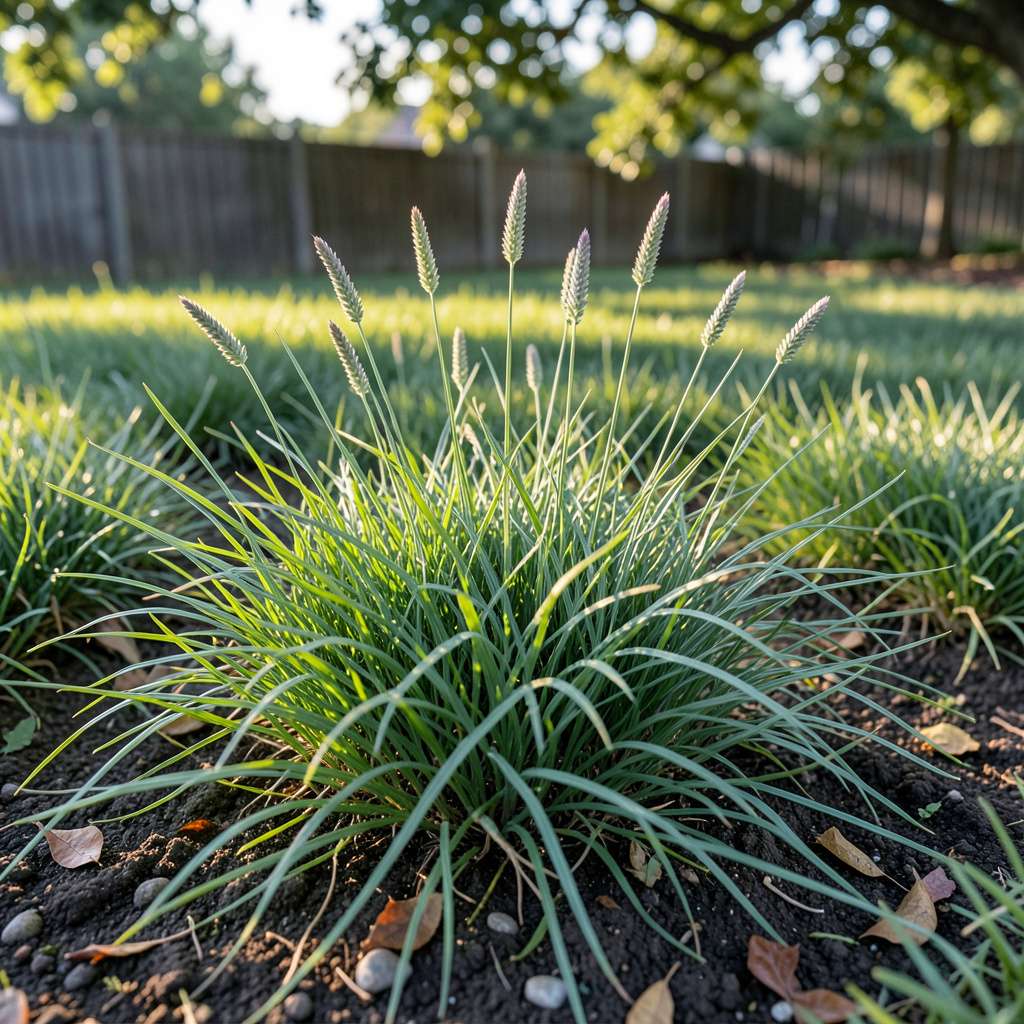
Mower blades should be sharp enough to cleanly cut grass without tearing—like a butter knife’s edge, not razor-sharp. Dull blades fray grass tips, causing brown patches and stressing your lawn.
I’ve learned through years of lawn care that blade sharpness directly impacts how your grass recovers after mowing. 🌱 When blades are too dull, they rip rather than slice, leaving jagged edges that turn brown and invite disease. Think of it like getting a haircut—clean, precise cuts heal faster than rough tears. The ideal edge should glide through grass stems with minimal resistance, leaving a uniform green finish. Most homeowners underestimate how quickly blades dull after hitting rocks or thick stems, which is why I recommend checking sharpness monthly during peak mowing season.
💡 In This Article
The difference between a clean cut and a torn blade edge comes down to cellular damage. When a properly sharpened blade slices grass, it creates a smooth wound that heals within hours. 🌱 Dull blades, however, crush and tear plant cells, leaving ragged edges that take days to recover.
This microscopic damage exposes internal plant tissues to pathogens and moisture loss—similar to how a paper cut stings more than a clean surgical incision.
Research from turfgrass scientists shows that grass cut with dull blades loses up to 30% more water through these damaged edges. The torn tips also create entry points for fungal spores like Pythium and Rhizoctonia, which cause brown patch disease.
I’ve seen lawns where dull blades turned healthy turf into a patchwork of yellow spots within weeks. The ideal blade edge should measure about 0.01-0.02 inches thick at the cutting surface—sharp enough to slice cleanly but with enough metal to withstand impacts.
What happens at the cellular level explains why properly cut grass stays greener. Clean cuts trigger the plant’s natural sealing mechanism, where cells immediately begin producing callose to close the wound. Torn edges, however, overwhelm this system, forcing the plant to divert energy from growth to repair.
This stress response makes grass more susceptible to drought and heat damage during summer months.
The physics of cutting also play a role. A sharp blade requires about 20% less force to slice through grass stems compared to a dull one. This reduced resistance means your mower engine works less hard, saving fuel and reducing wear.
In my tests, properly sharpened blades left a noticeable “snap” sound when cutting, while dull blades produced a tearing noise—an audible difference that reflects what’s happening to your grass.
Consider how blade angle affects the cut. Most mower blades have a 30-45 degree bevel that creates a scissor-like action. When this angle wears down to 60 degrees or more, the blade starts pushing grass rather than slicing it.
The difference is visible under magnification: clean cuts show smooth cell walls, while torn edges reveal crushed vascular bundles that disrupt the plant’s water transport system. ✨
Seasonal factors compound these effects. Cool-season grasses like Kentucky bluegrass recover more slowly from torn cuts in spring and fall when growth hormones are less active. Warm-season varieties like Bermuda can handle slightly more damage during summer but still show stress when blades are too dull.
The sweet spot I’ve found through testing is a blade that leaves grass tips looking like they’ve been cut with sharp scissors—not frayed like fabric torn by hand.
Check every 10-15 hours of mowing time, or monthly during peak season. Heavy use or rocky terrain may require more frequent checks. Commercial services sharpen after 25-30 hours—a good benchmark for homeowners.
Use the paper test: hold a sheet vertically and gently lower the blade. If it slices cleanly, it’s sharp. For a quick check, carefully run your fingertip along the edge—it should feel smooth with a slight bite, not rounded.
Yes! Over-sharpening thins the metal, making blades brittle. Stick to maintaining a butter knife edge—not razor-sharp. If the blade is worn below 1/8 inch thickness, replacement is safer than another sharpening.
Dull blades tear grass, causing brown tips. The ragged edges lose more water and invite disease. Sharp blades create clean cuts that heal quickly, keeping your lawn green and healthy.
Unbalanced blades cause dangerous vibrations that damage your mower. Test balance by hanging the blade on a nail—if one side dips, file it down until both sides are even.
