
Beautiful Plants For Your Interior
Beautiful Plants For Your Interior
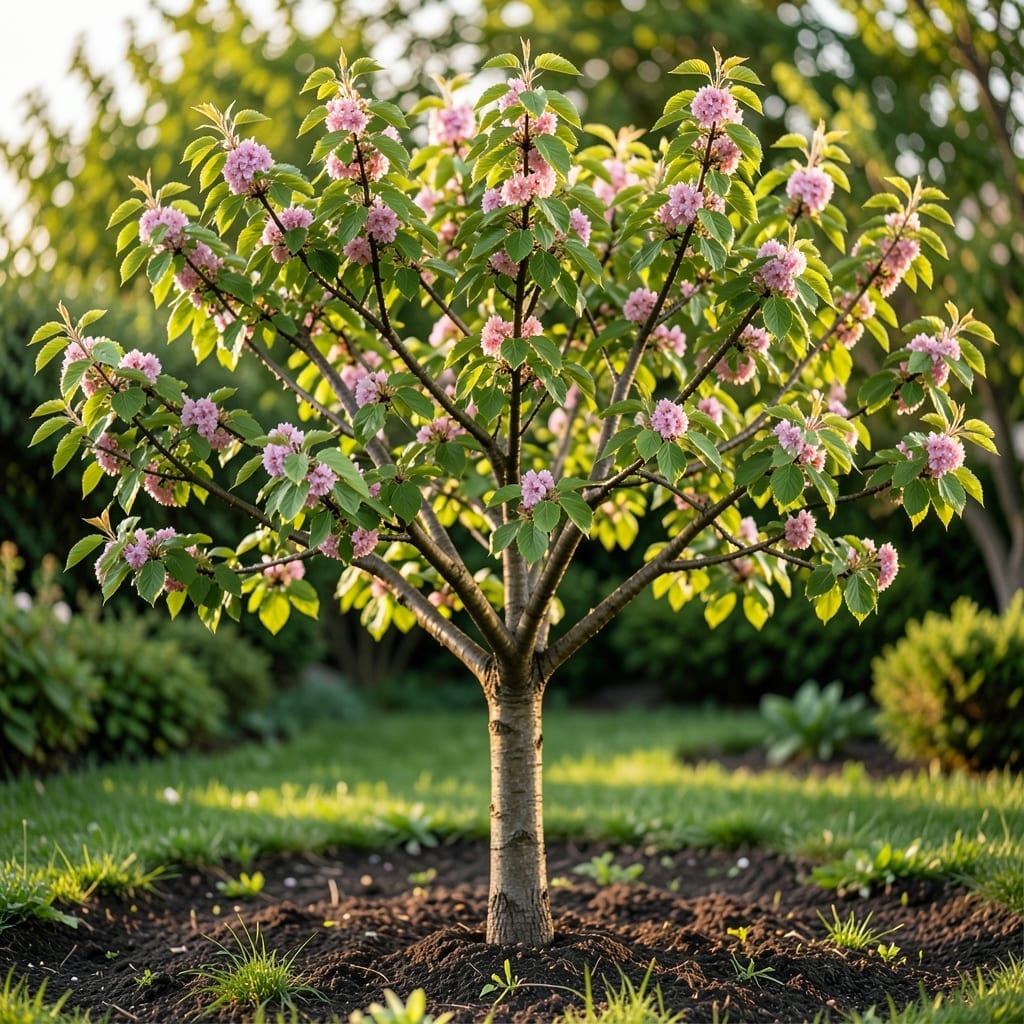
I’ve always been fascinated by how the Cherry Tree 🌳 transforms landscapes with its beauty. Yet, many gardeners don’t realize these trees have surprisingly varied lifespans depending on their type.
Whether you’re planting a fruit-bearing variety or an ornamental, knowing their potential longevity helps you plan better. Some may last just 20 years, while others thrive for centuries.
Let me walk you through what affects their lifespan and how you can help your Cherry Tree reach its full potential. The differences might surprise you.
I’ve found that cherry tree lifespan varies more than most gardeners expect. Wild cherries often live 50-100 years, while cultivated varieties may last 20-50 years with proper care.
Ornamental types like Yoshino or Kwanzan typically range from 30-40 years, whereas fruit-bearing ones such as Bing cherries often peak at 20-30 years in home gardens. 🌳
| Variety | Lifespan | Notes |
|---|---|---|
| Wild Cherry | 50-100 years | Hardy in natural settings |
| Yoshino | 30-40 years | Popular ornamental type |
| Bing Cherry | 20-30 years | Fruit-bearing, needs care |
| Kwanzan | 25-35 years | Double pink blooms |
Genetics play a huge role, but environmental conditions can shorten or extend these ranges. For example, drought stress or poor soil may cut a tree’s life by 10-15 years.
In ideal conditions, some wild black cherries have been known to live over 150 years. That’s a testament to how resilient these trees can be when left undisturbed in nature.
On the other hand, dwarf cherry trees in containers often live just 10-15 years. Their restricted root systems and exposure to elements accelerate aging.
I’ve seen sour cherry varieties like Montmorency thrive for 30+ years in well-maintained orchards. Their hardiness makes them a great choice for colder climates in USDA zones 4-8. 🌿
For sweet cherries, expect a shorter lifespan of 15-25 years in most home gardens. They’re more susceptible to diseases like brown rot and leaf spot.
Interestingly, Japanese flowering cherries often live 40-50 years in their native habitats. When planted in urban areas, pollution and compacted soil may reduce this to 20-30 years.
If you’re planting a cherry tree, consider its mature size and lifespan. A standard Bing cherry may need 20-30 feet of space and last 20 years, while a dwarf variety fits smaller spaces but has a shorter life.
In my experience, the lifespan of cherry trees depends heavily on their growing conditions. Soil quality is foundational—well-draining, nutrient-rich soil supports strong root systems and overall health.
Climate also plays a major role. Cherry trees thrive in USDA zones 5-8, where they get adequate winter chill and avoid extreme heat or cold.
Proper pruning is essential for longevity. I always remove dead or diseased branches to prevent the spread of pests and diseases. This also allows better airflow and sunlight penetration.
Pest control can’t be overlooked. Cherry trees are vulnerable to aphids, cherry fruit flies, and borers. Regular inspections and organic treatments help maintain tree health.
I’ve noticed that disease-resistant varieties like Stella or Lapins often live longer. They’re bred to withstand common issues like brown rot and leaf spot, which can weaken trees.
Finally, consistent care makes all the difference. Mulching, fertilizing, and monitoring for stress signs can add 5-10 years to your tree’s life. A little effort goes a long way! 🌿