
Beautiful Plants For Your Interior
Beautiful Plants For Your Interior
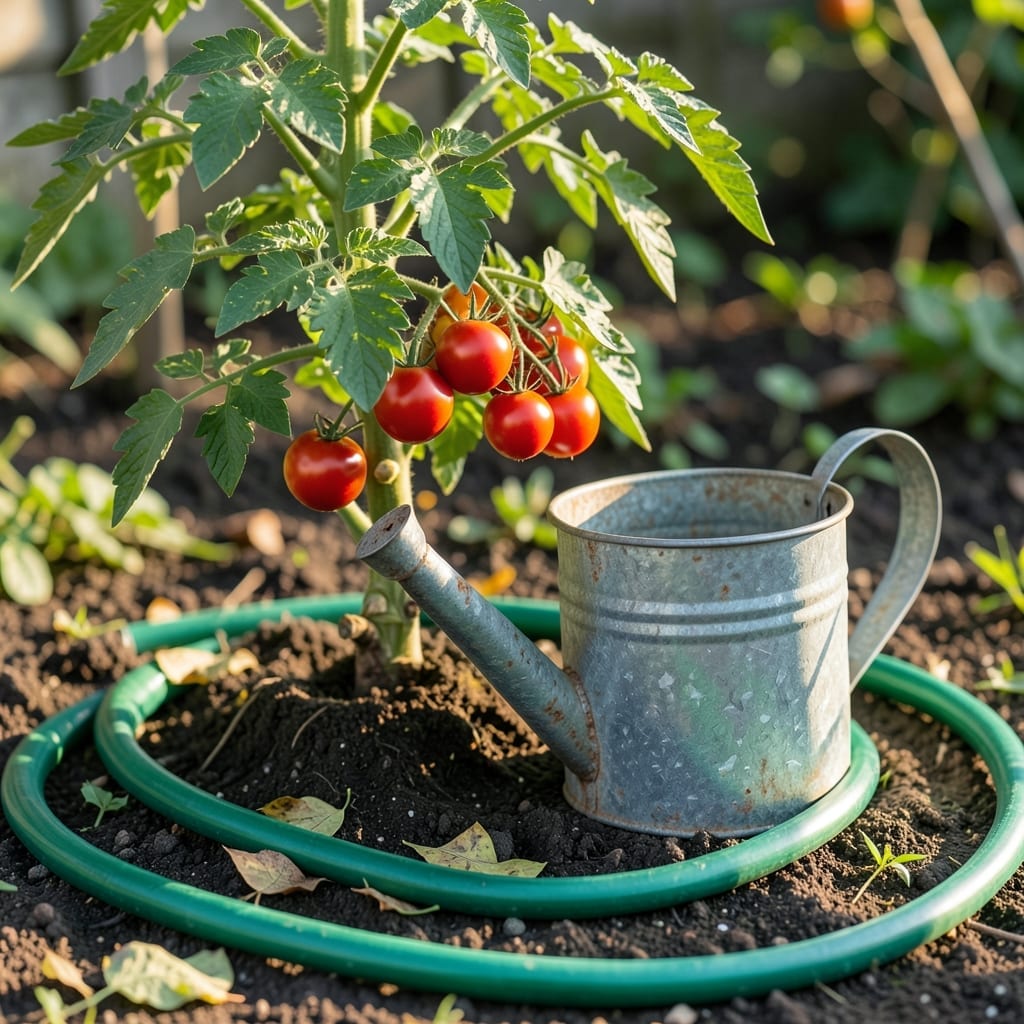
Overwatering or underwatering can make or break your 🥕 Vegetable Garden. Mastering the right watering frequency ensures healthy plants and a bountiful harvest.
I’ve seen too many gardeners struggle with wilting plants or waterlogged soil. The solution isn’t about following a rigid schedule—it’s about understanding your garden’s unique needs.
Discover how to check soil moisture like a pro and adjust your approach based on plant type, climate, and season. Let’s get your garden thriving.
Getting the watering frequency right is key to a thriving vegetable garden. Different plants have different needs, and climate plays a huge role too. What works for tomatoes won’t work for lettuce. 🌱
In arid climates, you might need to water every 2-3 days, while humid areas can often go 5-7 days between waterings. The type of soil and sun exposure also impact how quickly moisture evaporates. 🌿
| Vegetable | Water Frequency | Climate Adjustment |
|---|---|---|
| Tomatoes | Every 3-4 days | Daily in heat |
| Lettuce | Every 2-3 days | Shade in summer |
| Peppers | Every 4-5 days | Deep water weekly |
| Carrots | Every 5-7 days | Keep soil moist |
For leafy greens like spinach and kale, aim for consistent moisture but avoid soggy soil. They prefer shallow, frequent watering to prevent bolt. Root crops like carrots need deep, infrequent watering to grow straight. 🪴
If you’re growing in raised beds, they dry out faster than in-ground gardens. Check the top inch of soil—if it’s dry, it’s time to water. Clay soil holds moisture longer, while sandy soil drains quickly. Adjust accordingly.
Morning watering is ideal because it allows plants to absorb moisture before the heat of the day. Avoid watering in the evening, as damp leaves overnight can invite fungal diseases. Always water at the base of plants to keep foliage dry.
Watch for signs of overwatering, like yellowing leaves or mushy stems. Underwatering shows up as wilting or dry, crispy edges on leaves. A simple finger test in the soil can confirm your suspicions.
In hot summers, mulching helps retain moisture. Use straw or wood chips to cover the soil. This also suppresses weeds, which compete for water. Drip irrigation is another great way to deliver water directly to roots.
For container gardens, watering needs are more frequent—often daily in summer. Terra cotta pots dry out faster than plastic ones. Always check the soil moisture before adding more water. 💧
Finally, remember that young seedlings need more frequent watering than established plants. As roots grow deeper, they can access moisture lower in the soil. Adjust your schedule as your garden matures.
I’ve found that rigid watering schedules often fail because they ignore the unique needs of your garden. The soil moisture check is a game-changer. It lets you respond to your plants’ real-time needs rather than guessing. 🌱
This method works for all vegetable types, from thirsty tomatoes to drought-tolerant peppers. It accounts for weather changes, soil types, and even plant maturity. No more overwatering or underwatering. 🌿
The finger test is my go-to because it’s simple and reliable. I check my lettuce beds every 2-3 days in summer, while my carrots only need a test once a week. This prevents both water waste and root rot. 💧
For sandy soil, which drains quickly, I check more often. With clay soil, I wait longer between checks. The top inch might be dry, but moisture could still be present deeper down where roots access it.
I also watch for visual cues. Drooping leaves in the morning often signal thirst, while yellowing leaves might indicate overwatering. Combining the finger test with these signs gives me the full picture.
This method beats any fixed schedule because it adapts to your garden’s changing needs. Whether it’s a heatwave or a cool spell, your plants will get exactly what they need to thrive. 🪴