
Beautiful Plants For Your Interior
Beautiful Plants For Your Interior
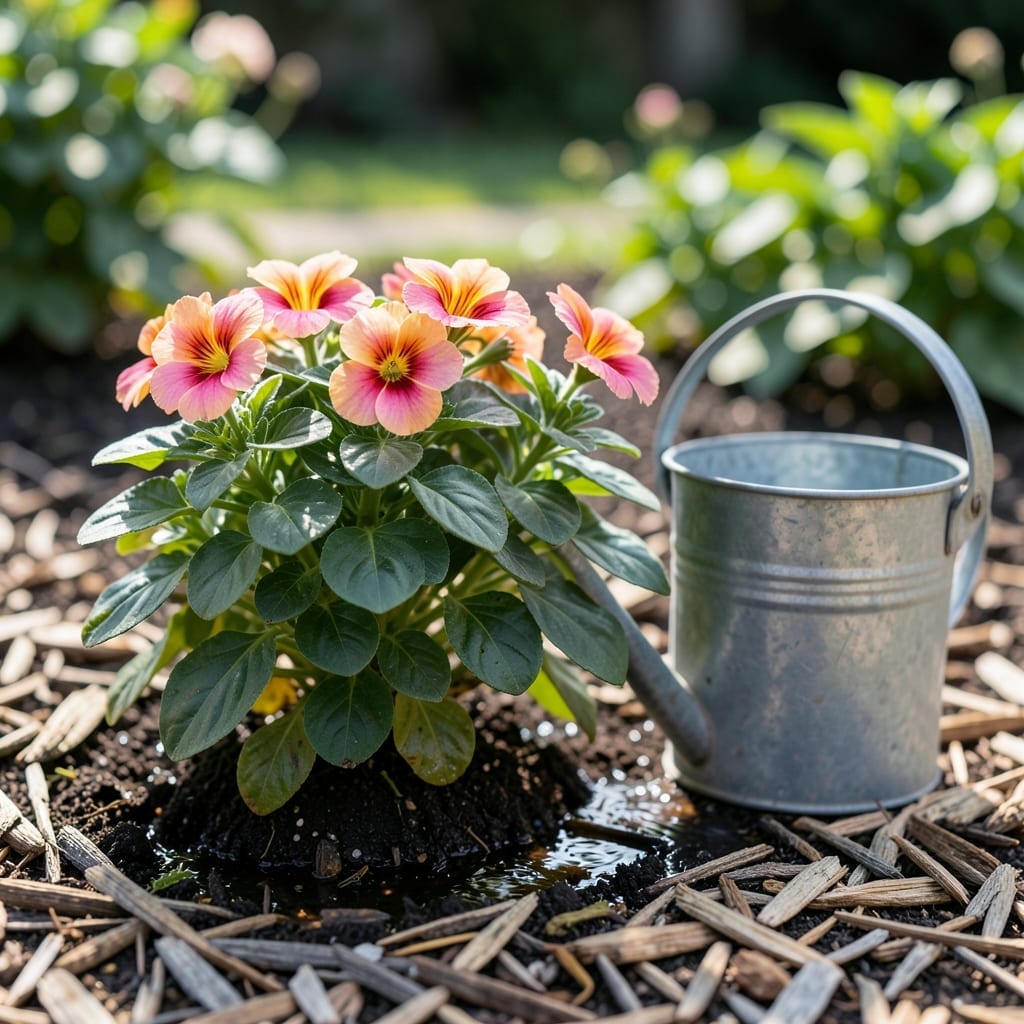
Sunpatiens are prized for their vibrant, long-lasting blooms, but improper watering can quickly turn these hardy plants into wilted disappointments. Mastering the right frequency is the key to keeping them thriving.
The 🌸 Sunpatiens thrives in zone 6, especially when planted in spring. Yet even in ideal conditions, inconsistent watering remains the most common pitfall for gardeners.
Whether you’re growing them in containers or garden beds, understanding their moisture needs will make all the difference. I’ll guide you through the essentials so you can enjoy healthy, blooming plants.
Discover how often to water Sunpatiens and spot the telltale signs before problems arise. Let’s ensure your garden stays lush and vibrant all season long.
Getting the watering frequency right for Sunpatiens is crucial for their vibrant blooms. These hardy plants prefer consistent moisture but can suffer if the soil becomes soggy. I’ve found that the “finger test” works perfectly for checking soil moisture.
In general, Sunpatiens thrive with 1-2 inches of water per week, but this can vary based on temperature, humidity, and growth stage. During heatwaves, you may need to water more frequently, while rainy periods will require less intervention.
| Season | Watering Frequency | Notes |
|---|---|---|
| Spring | Weekly | Soil warms up; monitor moisture |
| Summer | Every 3-5 days | High heat; check soil daily |
| Fall | Weekly | Cooler temps; reduce frequency |
| Winter | Bi-weekly | Dormant; water sparingly |
For the finger test, I simply insert my finger 1-2 inches into the soil. If it feels dry, it’s time to water. Sunpatiens don’t like to sit in waterlogged soil, so ensure your pots or garden beds have good drainage.
In hot climates, I water my Sunpatiens in the early morning to reduce evaporation and prevent fungal issues. This timing also helps the plants absorb moisture before the heat of the day kicks in.
If you’re growing Sunpatiens in containers, they’ll dry out faster than those in the ground. I recommend checking the soil every 2-3 days during summer. For in-ground plants, weekly watering is usually sufficient unless there’s a drought.
During rainy seasons, I ease up on watering and let nature do the work. However, if the rain is light, I still check the soil to ensure it hasn’t dried out. Consistency is key with Sunpatiens—they perform best with steady moisture levels.
For newly planted Sunpatiens, I water them daily for the first week to help establish their roots. After that, I transition to the standard watering schedule based on the season and weather conditions.
Remember, overwatering can be just as harmful as underwatering. If you notice yellowing leaves or a fungal smell, it’s a sign to cut back. On the flip side, drooping leaves in the afternoon often indicate it’s time to water.
By following these guidelines, your Sunpatiens will reward you with lush foliage and abundant blooms all season long. 🌸
I always check my Sunpatiens for drooping leaves first—this is the most obvious sign they need a drink. Wilting in the heat is normal, but if it persists, your plants are thirsty.
Another red flag is yellowing foliage, which often means overwatering. Sunpatiens hate soggy roots, so if the leaves turn yellow, ease up on the watering for a few days.
I’ve found that cracked soil is a clear sign of underwatering. If the top inch of soil feels dry and starts pulling away from the pot edges, it’s time to water deeply.
On the flip side, mushy stems or a foul smell from the soil can indicate root rot from too much water. Stop watering immediately and let the soil dry out.
Brown leaf edges often mean inconsistent moisture. I recommend checking the soil daily during heatwaves and adjusting your schedule as needed.
For potted Sunpatiens, I water when the top 1-2 inches of soil feels dry. In-ground plants can go a bit longer, but always check before watering.
Remember, morning watering is best to prevent fungal issues. I’ve seen the biggest difference in plant health by sticking to this simple rule.