
Beautiful Plants For Your Interior
Beautiful Plants For Your Interior
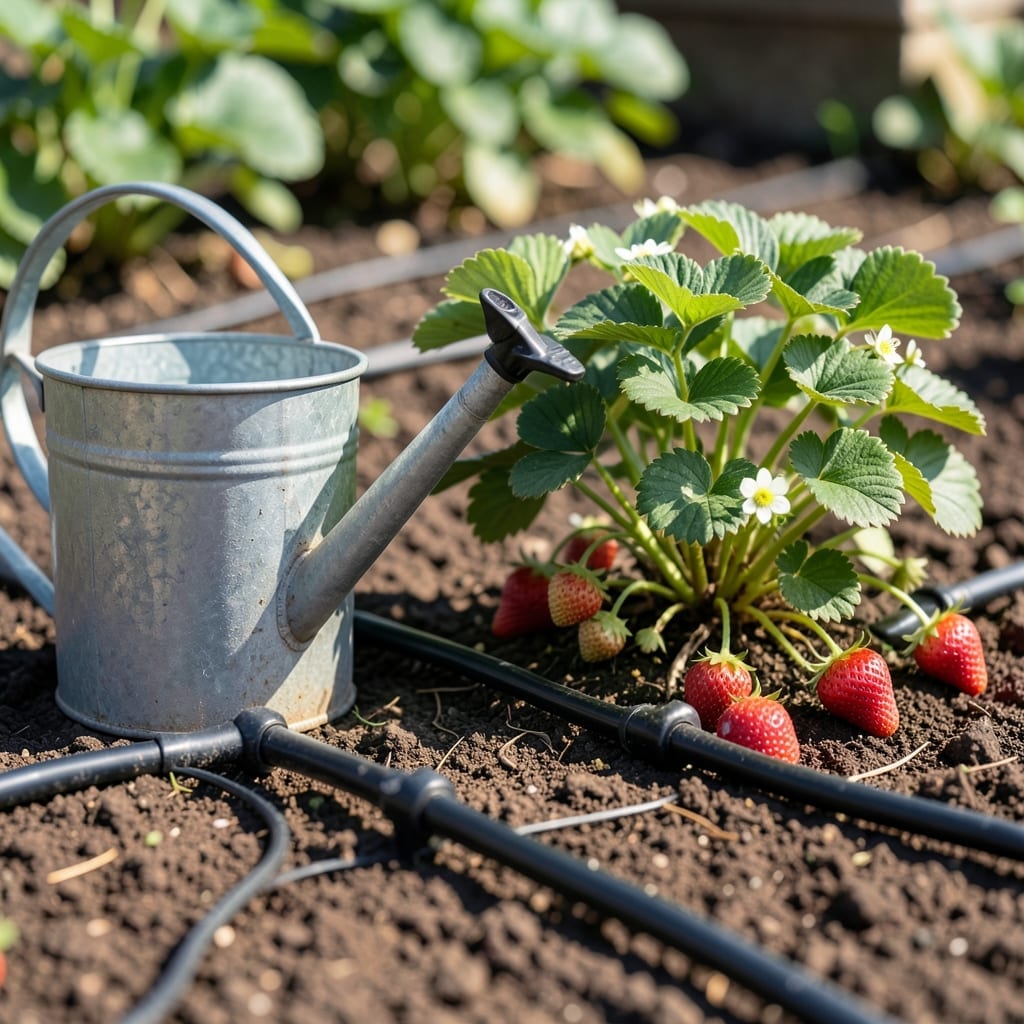
Mastering how often to water 🍓 Strawberry plants can transform your harvest from lackluster to luscious. Get the timing wrong, and you risk rot or stunted growth instead of those juicy berries you crave.
I’ve seen firsthand how proper watering makes all the difference in plant health and berry quality. Whether you’re a new gardener or looking to improve your yields, understanding these basics is the key.
Discover the simple yet effective strategies that will keep your Strawberries thriving. Let me show you how to achieve that perfect balance of moisture they need.
Getting the watering schedule right is crucial for healthy strawberry plants. Each growth stage has unique needs, from bare-root planting to dormancy. I’ll break it down so you never guess again.
Seasonal changes also impact how often you should water. Spring and fall differ vastly from summer, when heat can dry soil quickly. Let’s dig into the specifics.
| Growth Stage | Watering Frequency | Amount |
|---|---|---|
| Bare-Root Planting | Daily | 1 inch per week |
| Establishment | Every 2-3 days | 1-2 inches per week |
| Flowering | Every 3-4 days | 1-2 inches per week |
| Fruiting | Every 2-3 days | 2 inches per week |
| Dormancy | Bi-weekly | 0.5 inch per week |
During bare-root planting, your strawberries need daily watering to help roots establish. This stage is critical, so don’t skip it. The soil should stay evenly moist but not soggy.
Once established, you can reduce watering to every 2-3 days. At this point, the plants are building strength. Watch for dry soil at a depth of 1 inch to guide you.
When flowering begins, switch to watering every 3-4 days. Flowers are sensitive to overwatering, which can cause them to drop. Consistency is key here.
The fruiting stage demands the most attention. Increase to every 2-3 days and aim for 2 inches of water per week. This ensures plump, juicy berries.
In dormancy, typically in winter, cut back to bi-weekly watering. The plants rest during this time, so overwatering can lead to root rot.
For seasonal adjustments, remember that summer heat may require more frequent watering. Check soil moisture daily and adjust as needed. Mulching can help retain moisture.
In spring and fall, weekly watering is often sufficient. Always monitor rainfall and adjust your schedule to avoid waterlogging.
Your strawberry plants will often tell you when they’re thirsty or waterlogged. I’ve learned to watch for subtle changes that signal it’s time to adjust my watering routine.
Overwatering and underwatering both stress the plants, but the signs are different. Catching these early can save your harvest from disaster.
If you see wilting leaves during a heatwave, it’s a classic sign of underwatering. Check the soil—if it’s bone dry an inch down, water deeply.
Yellowing leaves can be tricky. They might mean too much water or nutrient deficiency. Stick your finger in the soil: if it’s soggy, hold off on watering.
Mushy berries are a red flag for overwatering. This often leads to fungal diseases like gray mold. Cut back and ensure good air circulation.
Crispy leaf edges are a sure sign of drought stress. Your plants need a long, deep drink to recover. Don’t just mist the surface—soak the roots.
Lastly, mold on leaves or soil is a clear sign of excess moisture. Stop watering, improve drainage, and remove affected foliage to prevent spread.