
Beautiful Plants For Your Interior
Beautiful Plants For Your Interior
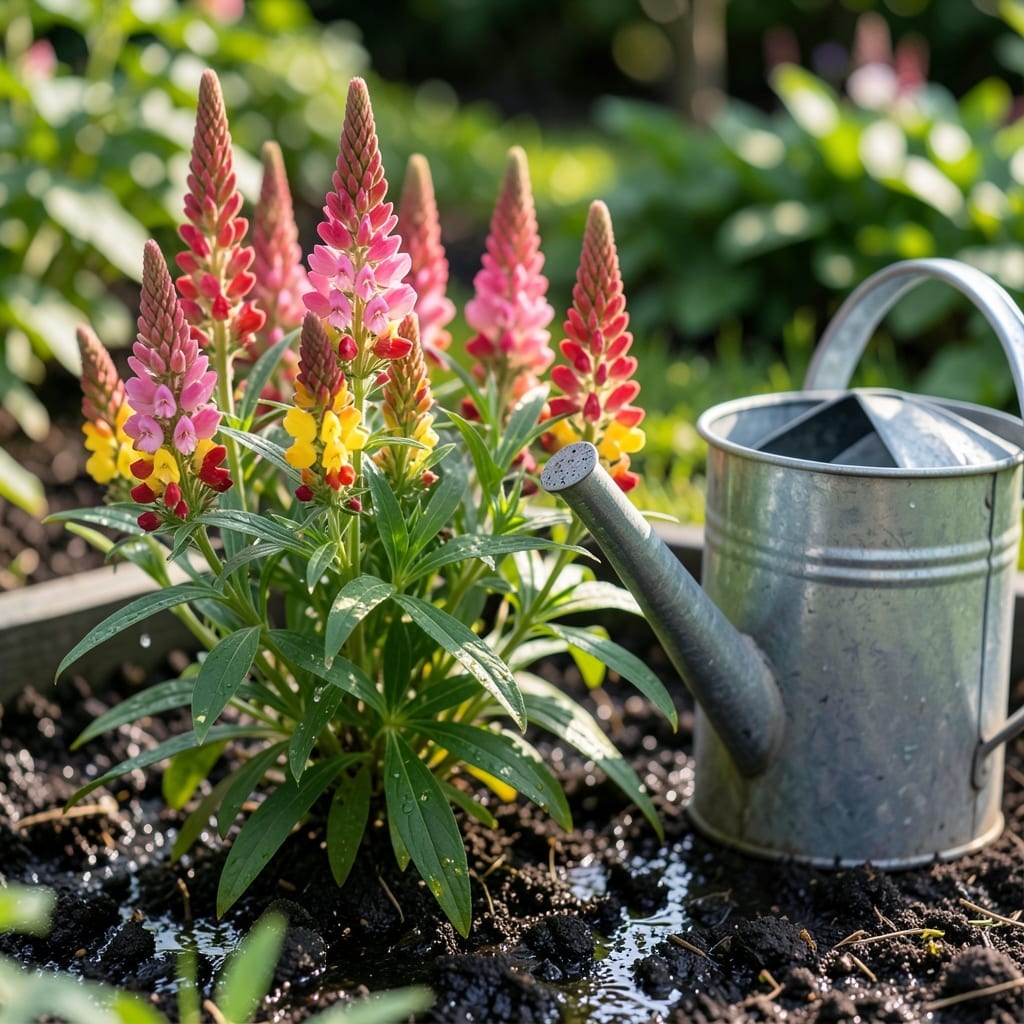
Snapdragons bring vibrant color and height to any garden, but their watering needs can be tricky—too much or too little can stunt their iconic blooms. I learned the hard way that consistent moisture is the key to keeping these beauties thriving.
Whether you’re growing 🌸 Snapdragons in containers or garden beds, getting the watering schedule right makes all the difference. It’s not just about frequency—it’s about understanding what your plants are telling you.
Discover how to read the signs and adjust your approach for healthier, more vibrant flowers all season long. Let me show you exactly how to make it happen.
Getting the watering schedule right for snapdragons starts with understanding their seasonal needs. In spring, I water my snapdragons once a week to encourage strong root growth as they establish themselves.
As summer heat arrives, I increase watering to twice a week, especially during dry spells. The goal is to keep the soil consistently moist but never soggy, which can lead to root rot.
| Season | Frequency | Water Amount | Key Tip |
|---|---|---|---|
| Spring | Weekly | 1 inch | Encourage root growth |
| Summer | 2x/Week | 1-1.5 inches | Water in morning |
| Fall | Weekly | 1 inch | Reduce as temps drop |
| Winter | Bi-weekly | 0.5 inch | Prevent waterlogging |
In fall, I dial it back to weekly watering as temperatures cool. This helps prepare the plants for dormancy while still maintaining healthy blooms until the first frost.
During winter, I switch to a bi-weekly schedule, giving just enough water to prevent the soil from completely drying out. Overwatering in cold months is a common mistake that can harm dormant plants.
For container-grown snapdragons, I check the soil daily. Potted plants dry out faster, so they often need water every 5-7 days, depending on the weather and pot size.
In garden beds, I rely on a finger test—if the top 1-2 inches of soil feel dry, it’s time to water. This simple method works better than a rigid schedule.
I always water in the early morning to reduce evaporation and give the plants time to absorb moisture before the heat of the day. This also helps prevent fungal diseases that thrive in damp evening conditions.
Humidity and rainfall play big roles too. In humid climates, I water less frequently, while dry, windy areas may require extra attention to keep the soil from drying out too quickly.
Finally, mulching around my snapdragons helps retain moisture and keeps the soil temperature steady. A 2-3 inch layer of organic mulch makes a noticeable difference in water retention.
With these adjustments, my snapdragons stay vibrant and healthy through every season 🌿
Your snapdragons will tell you when they’re thirsty or drowning—you just need to know what to look for. I check my plants daily for these visual cues that indicate water stress.
Catching these signs early prevents long-term damage and keeps your blooms vibrant throughout the growing season. Here’s what I watch for in my garden:
The finger test is my go-to for confirmation. If the top inch of soil feels dry and you see drooping leaves, it’s time to water deeply.
For yellowing leaves, I first check if the soil feels soggy. If so, I stop watering and let the top 2 inches dry out before resuming a lighter schedule.
When I notice wilted flowers in the afternoon, I investigate further. If the soil is dry, I water at the base. If it’s wet, I know it’s likely root rot from overwatering.
Soil cracking is a clear sign of dehydration. I water slowly and thoroughly, then add mulch to help retain moisture for next time.
Seeing mold on the soil surface means I’ve been too generous with water. I immediately reduce frequency and ensure my containers have drainage holes 🌱