
Beautiful Plants For Your Interior
Beautiful Plants For Your Interior
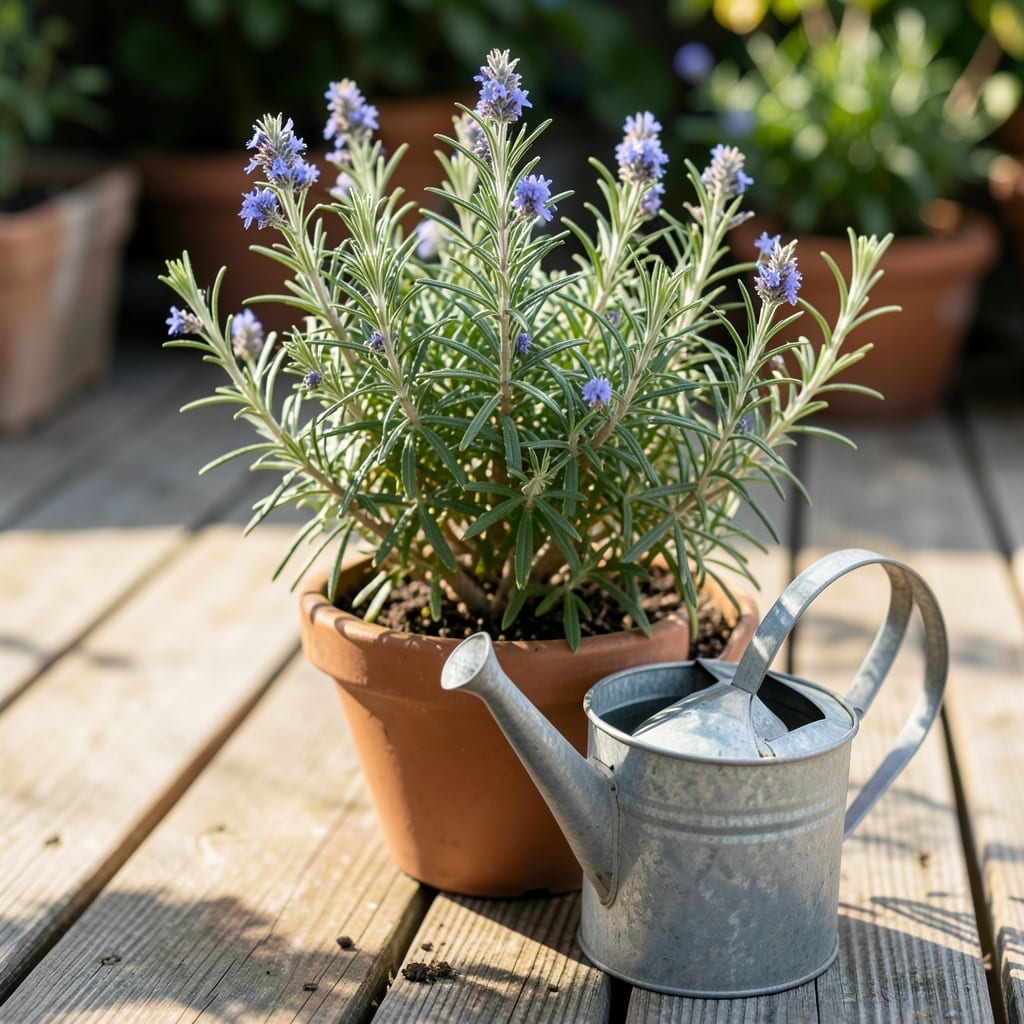
Overwatering is the #1 killer of rosemary yet many gardeners still get it wrong. This hardy herb thrives on neglect, but finding the balance is the key to its success.
I’ve seen too many 🌿 Rosemary plants struggle because of well-meaning but excessive watering. The truth is, this Mediterranean native prefers drier conditions and can handle a little drought.
Discover how to adjust your watering routine for healthy growth without the guesswork. Let’s get it right from the start.
Getting the watering frequency right for rosemary starts with understanding its Mediterranean roots. This herb evolved in dry, rocky soils, so it hates soggy conditions and thrives with minimal moisture.
I’ve found that seasonal changes dramatically impact how often you should water. In hot summers, rosemary may need weekly watering, while in winter, it can go a month without extra moisture.
| Season | Watering Frequency | Key Notes |
| Spring | Every 7-10 days | New growth needs consistent moisture |
| Summer | Every 5-7 days | Check soil dryness between waterings |
| Fall | Every 10-14 days | Reduce as temperatures cool |
| Winter | Every 3-4 weeks | Only if no rain or snow |
The soil type plays a huge role in watering frequency. Rosemary in sandy or loamy soil drains quickly and may need more frequent watering than plants in clay-heavy soil.
I always recommend the finger test before watering. Stick your finger 1-2 inches into the soil. If it feels dry, it’s time to water. If it’s damp, wait a few days.
For potted rosemary, the rules change slightly. Containers dry out faster, so you’ll typically need to water every 5-7 days in summer, but always check the soil first.
In humid climates, rosemary needs less water because the air provides moisture. In arid regions, you might need to water a bit more often, but still err on the side of caution.
Overwatering signs include yellowing leaves, mushy stems, and a foul odor from the soil. If you see these, stop watering immediately and let the soil dry out.
Underwatering signs are easier to spot: dry, brittle leaves and soil pulling away from the pot edges. When in doubt, water deeply but infrequently to encourage strong root growth.
Remember, rosemary is drought-tolerant once established. It’s far better to underwater than overwater this resilient herb. Trust the plant’s natural hardiness and adjust as needed. 🌿
Rosemary plants give clear signals when their watering needs aren’t met. I’ve learned to watch for these visual cues before reaching for the watering can. The key is observing both leaf condition and soil moisture.
Drooping leaves or a wilting appearance often indicate thirst, but don’t jump to conclusions. These same signs can appear with root rot from overwatering. Always check the soil first to be sure.
The finger test remains my go-to method. Insert your finger 1-2 inches into the soil. If it’s bone dry, it’s time to water. If it’s damp or cool, wait another day or two.
For potted rosemary, lift the container to check its weight. A light pot usually means dry soil, while a heavy pot suggests adequate moisture. This simple trick prevents overwatering mistakes.
I’ve noticed that morning droop is normal for rosemary in hot weather, but if the plant doesn’t perk up by afternoon, it likely needs water. This daily observation helps fine-tune your watering schedule.
Remember, rosemary is forgiving of drought but not of soggy roots. When in doubt, wait another day before watering. This plant truly thrives on a little neglect. 🌿