
Beautiful Plants For Your Interior
Beautiful Plants For Your Interior
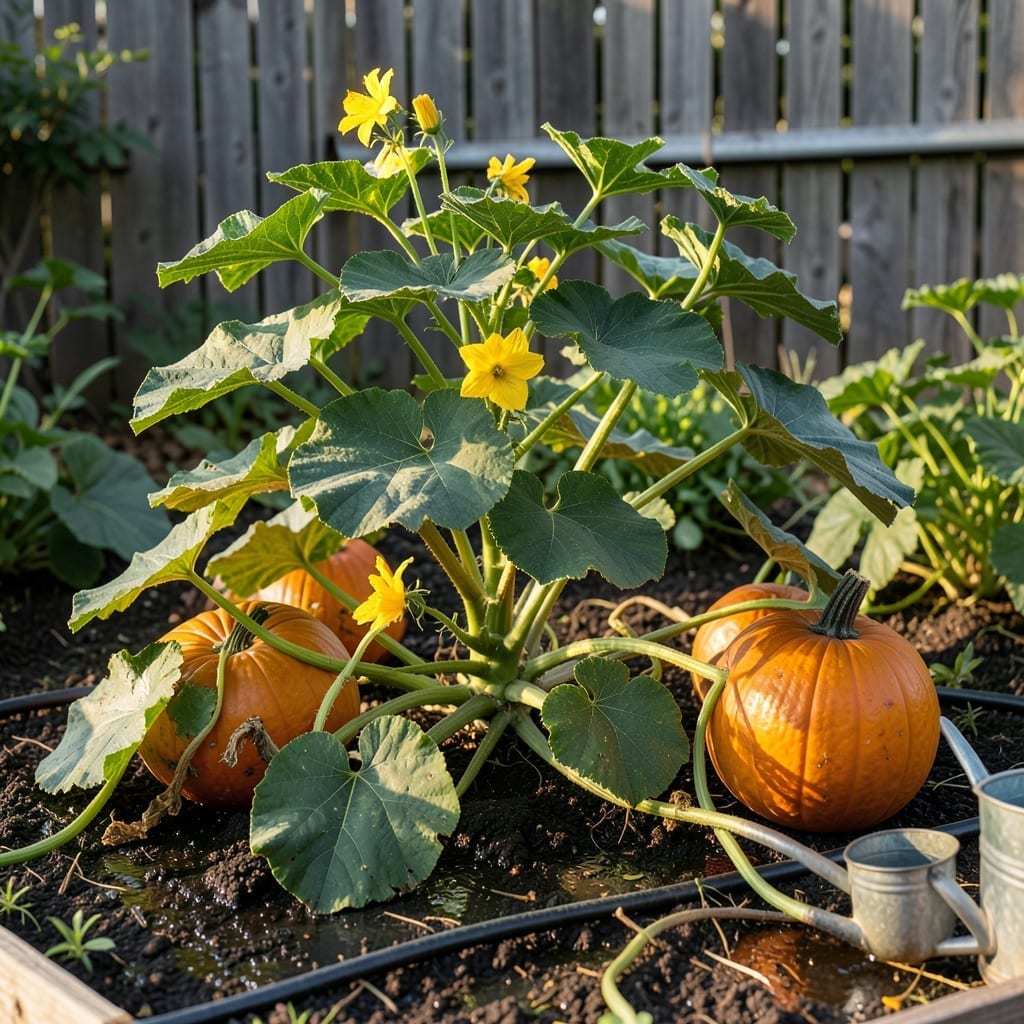
Nothing ruins a pumpkin patch faster than inconsistent watering. Too much and the vines rot, too little and the 🎃 pumpkins shrivel before they ripen. It’s a delicate balance that can make or break your harvest.
I learned this the hard way after losing an entire crop to overwatering. The key is understanding that pumpkins need steady moisture, not just occasional soakings.
Discover how to adjust your approach based on soil type, climate, and growth stage. Your pumpkins will thank you with a bountiful harvest.
Getting the watering frequency right is crucial for healthy pumpkin vines. I’ve found that pumpkins need consistent moisture, but the amount changes as they grow. The key is to adapt your approach at each stage of development.
From seedling to harvest, your pumpkins will have different watering needs. Early on, they require gentle, frequent watering, while mature plants need deeper, less frequent soakings to encourage strong root growth.
| Growth Stage | Watering Frequency | Amount per Week |
|---|---|---|
| Seedlings | Every 2-3 days | 0.5 inches |
| Vine Growth | Every 5-7 days | 1 inch |
| Fruiting | Every 3-5 days | 1.5 inches |
| Maturation | Every 7-10 days | 1 inch |
During the seedling stage, keep the soil evenly moist but not soggy. I use a spray bottle to avoid disturbing the delicate roots. At this point, overwatering can lead to damping off, a fungal disease that kills young plants.
As the vines begin to spread and grow, reduce the frequency but increase the amount. This encourages the roots to grow deeper into the soil, making the plants more drought-resistant. I aim for 1 inch of water per week during this phase.
When the pumpkins start to form and grow, they’ll need more water to support fruit development. This is when I increase the frequency to every 3-5 days, ensuring the soil stays consistently moist but well-drained.
Finally, as the pumpkins mature and near harvest, you can scale back slightly. At this stage, the goal is to harden off the fruit and prepare it for picking. I reduce watering to every 7-10 days, but I always check the soil first.
Remember, these are general guidelines. Your specific needs may vary based on your soil type and climate conditions. Sandy soils dry out faster, while clay soils retain moisture longer. Always check the soil moisture before watering.
In hot, dry climates, you might need to water more frequently, even daily during extreme heat. Conversely, in cooler, wetter climates, you may need to water less often. I always adjust my schedule based on the weather forecast and the condition of my plants.
By following this stage-specific watering schedule, you’ll give your pumpkins the best chance to thrive and produce a bountiful harvest 🎃
Your pumpkin plants will tell you when they’re thirsty or drowning. I check mine daily for subtle changes in leaves, vines, and soil. Catching these signs early can save your entire crop from stress or disease.
Overwatering and underwatering both leave distinct clues. Wilting can mean either too much or too little water, so you’ll need to investigate further. Look at the soil moisture and plant behavior together for the full picture.
The finger test is my go-to for checking soil moisture. I stick my finger 2 inches deep near the base. If it feels dry, it’s time to water. If it’s damp, wait another day or two.
For overwatered pumpkins, I immediately stop watering and improve drainage. Adding organic matter like compost can help sandy soils retain moisture better while loosening clay soils.
When underwatering is the issue, I water deeply at the base, avoiding the leaves. I’ve found that morning watering allows plants to absorb moisture before the heat of the day.
Remember that container-grown pumpkins dry out faster than those in the ground. I check my potted plants daily in hot weather, as they may need water every 24-48 hours during peak summer.
By learning these visual cues and responding quickly, you’ll keep your pumpkins healthy and on track for a great harvest 🎃