
Beautiful Plants For Your Interior
Beautiful Plants For Your Interior
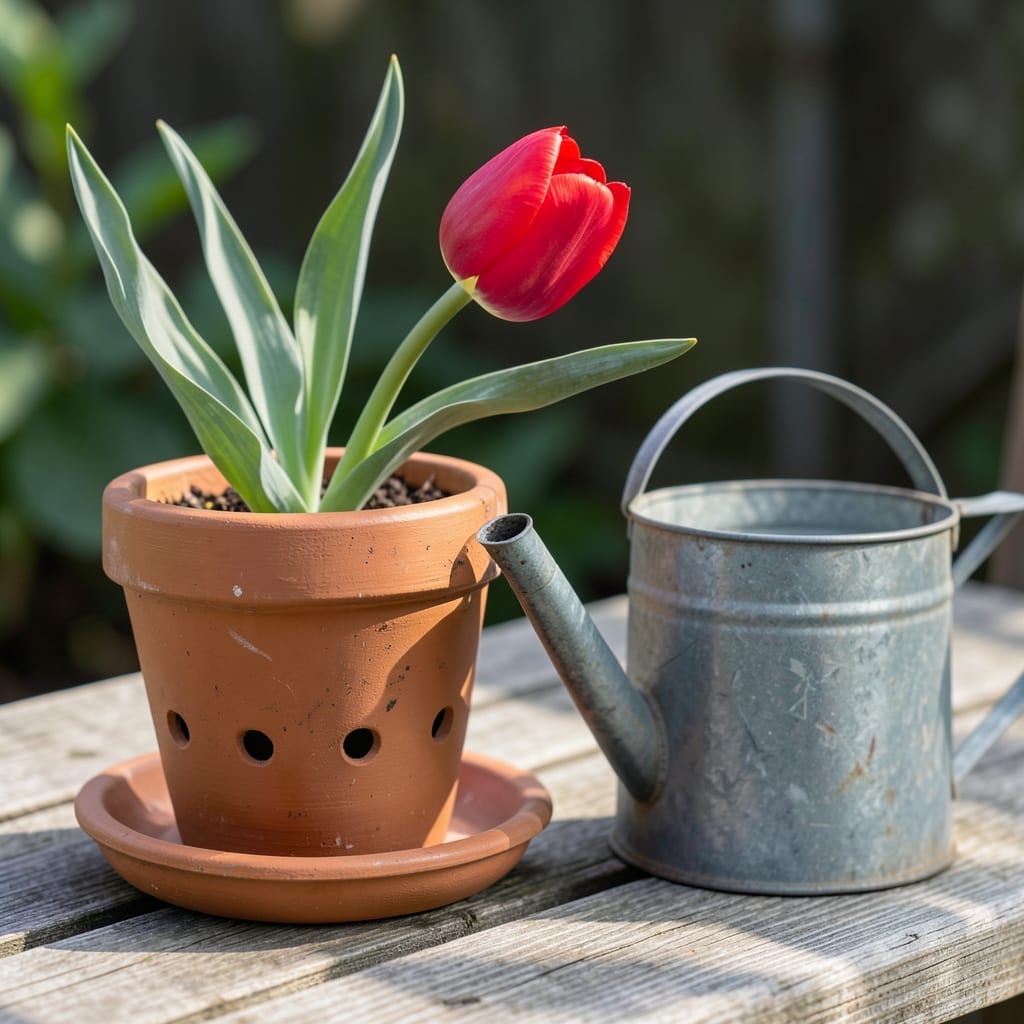
Potted tulips bring vibrant color to your home, but overwatering can turn their beauty into a mushy disaster. I’ve seen too many 🌷 Tulip lovers accidentally drown their plants by being too generous with the watering can.
Getting the balance right is the key to keeping your container tulips healthy and blooming. The good news is, with a simple, consistent approach, you can avoid the dreaded root rot.
I’ll walk you through the exact schedule that works for potted tulips, including how often to check moisture levels and what signs to watch for. It’s easier than you might think.
Discover how small adjustments in your routine can make a big difference in your tulips’ lifespan and vibrancy. Let’s get started.
Getting the watering schedule right for potted tulips is the key to vibrant blooms and healthy bulbs. Unlike their in-ground cousins, container tulips dry out faster but are also more prone to root rot if overwatered.
I’ve found that seasonal adjustments make all the difference. Spring blooming requires more frequent watering, while dormant bulbs in winter need almost none. Let’s break it down by season.
| Season | Watering Frequency | Key Notes |
|---|---|---|
| Spring | Weekly | Active growth, keep soil moist but not soggy |
| Summer | Every 3-5 days | Hot weather dries soil faster, check daily |
| Fall | Weekly | Prepare bulbs for dormancy, reduce gradually |
| Winter | Bi-weekly | Dormant bulbs need minimal moisture, avoid waterlogging |
In spring, your tulips are in their active growth phase, so I recommend watering weekly. The soil should stay consistently moist but never waterlogged. If the top inch of soil feels dry, it’s time to water again.
When summer heat kicks in, potted tulips may need water every 3-5 days. Containers dry out quickly, especially in full sun. Always check the soil before watering—stick your finger in to test moisture levels.
As fall approaches, begin tapering off watering to once a week. This helps signal to the bulbs that it’s time to prepare for dormancy. Overwatering now can lead to rot before winter even sets in.
During winter dormancy, bi-weekly watering is usually sufficient. The bulbs aren’t actively growing, so they need very little moisture. If your pots are outdoors, ensure they’re protected from frost to prevent freezing.
Remember, pot size matters. Smaller containers dry out faster, so you might need to water small pots every 2-3 days in summer. Larger pots retain moisture longer but still need consistent checks to avoid soggy soil.
I always use well-draining potting mix and pots with drainage holes to prevent water from pooling. Even with the perfect schedule, poor drainage can ruin your tulips before they bloom.
If you’re unsure, lift the pot to gauge weight. A light pot usually means it’s time to water, while a heavy pot can wait a few more days.
I’ve learned that potted tulips will tell you exactly what they need if you know what to look for. Yellowing leaves often signal overwatering, while drooping stems can mean they’re thirsty.
The key is catching these early warning signs before they become bigger problems. Here’s what to watch for in your container tulips.
When I see mushy stems, I immediately stop watering and check the drainage holes. This is often the first sign of root rot, which can kill your tulips quickly.
Dry, crisp leaves are easier to fix—just give your plant a deep watering and watch it perk up. I recommend using room-temperature water to avoid shocking the roots.
If you notice a foul odor coming from the pot, it’s a sure sign of bacterial growth from overwatering. At this point, you may need to repot the bulb in fresh soil.
Wilting flowers can be tricky—they might need water or they might be getting too much. Always check the soil moisture with your finger before watering again.
Finally, mold on soil means you’re watering too frequently. I switch to a spray bottle for light misting until the soil dries out a bit. This prevents further fungal growth while keeping the plant alive. 🌷