
Beautiful Plants For Your Interior
Beautiful Plants For Your Interior
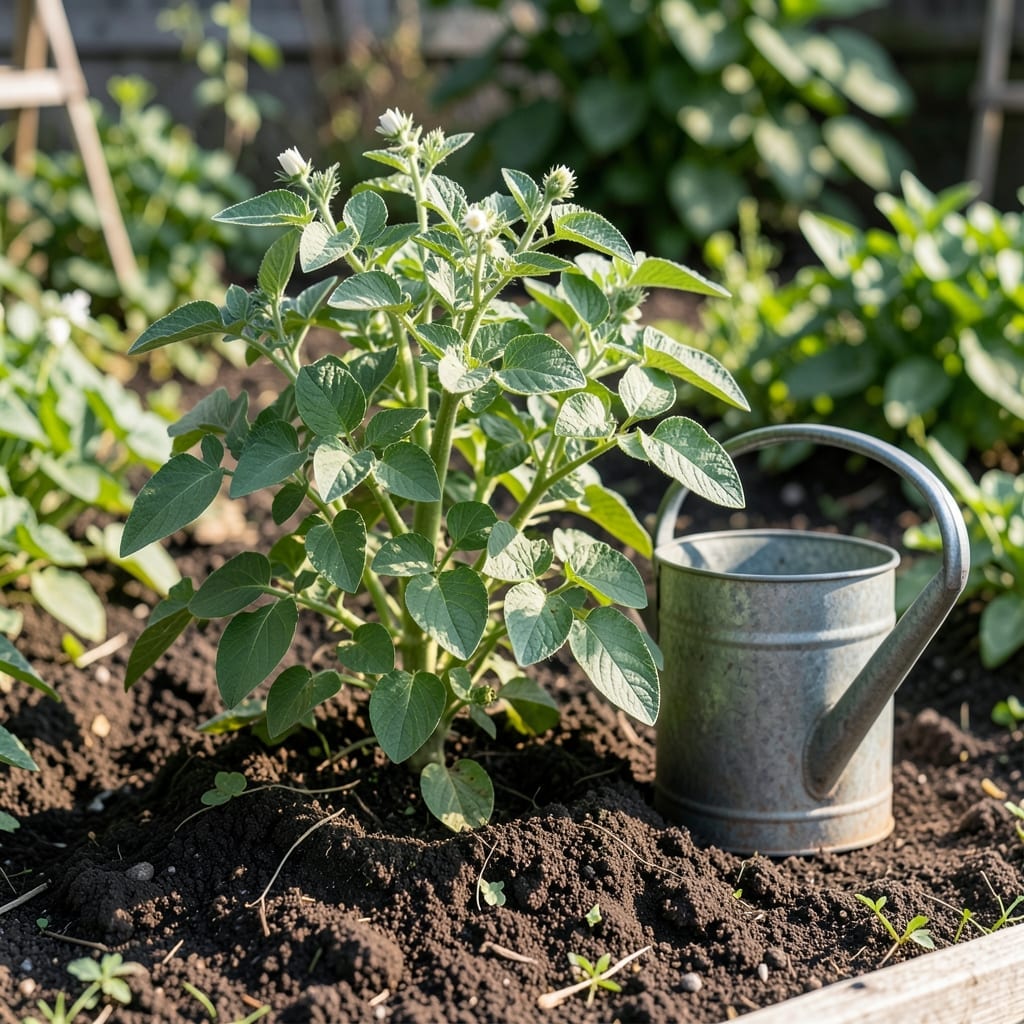
Watering potato plants correctly is the key to a bountiful harvest—too much or too little can ruin your crop. I’ve seen many gardeners struggle with this balance, especially with the 🥔 Potato’s sensitive needs.
Discover how to adjust your approach through each growth stage, from planting in spring to harvest time. It’s simpler than you think once you know the signs to watch for.
Let me walk you through the perfect schedule to keep your plants thriving and your yield abundant. You’ll be surprised how much difference the right timing makes.
Getting your potato watering schedule right is crucial for healthy growth. I’ve learned that consistency matters most, but the exact frequency changes as your plants develop.
From planting to harvest, your potatoes will need different amounts of water. The key is matching your watering to each growth phase while considering your climate and soil. 🌱
| Growth Stage | Watering Frequency | Water Amount |
|---|---|---|
| Planting | Every 5-7 days | 1 inch per week |
| Sprouting | Every 4-5 days | 1-1.5 inches per week |
| Tuber Formation | Every 3-4 days | 1.5-2 inches per week |
| Maturation | Every 7-10 days | 1 inch per week |
| Harvest | Stop watering 1-2 weeks before | None |
During the planting stage, keep soil evenly moist to encourage root development. I recommend checking soil moisture 2 inches deep—if it’s dry, it’s time to water. 🌿
As your plants enter the sprouting phase, you’ll notice more rapid growth. This is when tuber formation begins, and your plants will need more frequent watering to support this critical stage.
The tuber formation stage is the most water-intensive. Your potatoes are bulking up underground, so maintaining consistent moisture is vital. Be careful not to let the soil dry out completely.
When your plants reach maturation, you can reduce watering. This helps toughen up the tubers and prepares them for harvest. Look for yellowing foliage as a sign they’re nearly ready.
Finally, stop watering completely 1-2 weeks before harvest. This allows the skins to thicken, making them less prone to damage during digging and better for storage.
Remember, these are general guidelines. Your specific needs may vary based on soil type, rainfall, and temperature. Sandy soils drain faster, while clay holds moisture longer. ☀️
In hot climates, you might need to water more frequently, while cooler areas can often get by with less. Always check your soil before watering—it’s the most reliable indicator of your plants’ needs.
Knowing when to water is just as important as knowing how often. I’ve found that potato plants give clear signals when they’re thirsty or drowning. Watch for these visual cues to fine-tune your approach. 🌱
Your plants might be underwatered if you notice wilting leaves during the hottest part of the day. This is often the first sign they need a drink, especially in dry climates or sandy soil. 🌿
On the flip side, yellowing leaves can indicate overwatering. This happens when roots can’t breathe in soggy soil. If your leaves look limp and yellow, ease up on the watering for a few days.
Another telltale sign is soil condition. If the ground around your potatoes is cracked and dry, it’s time to water deeply. Conversely, if the soil feels mushy or smells sour, you’re likely watering too much.
Don’t forget to check your tubers during growth. If they’re small or misshapen, inconsistent watering might be the culprit. Potatoes need steady moisture to develop properly underground.
I always recommend the finger test: stick your finger 2 inches into the soil near the plant. If it feels dry, water; if it’s damp, wait. This simple trick has saved me from many watering mistakes. ☀️
Finally, remember that morning watering is best. It gives your plants time to absorb moisture before the heat of the day and reduces the risk of fungal diseases that thrive in damp, evening conditions.