
Beautiful Plants For Your Interior
Beautiful Plants For Your Interior
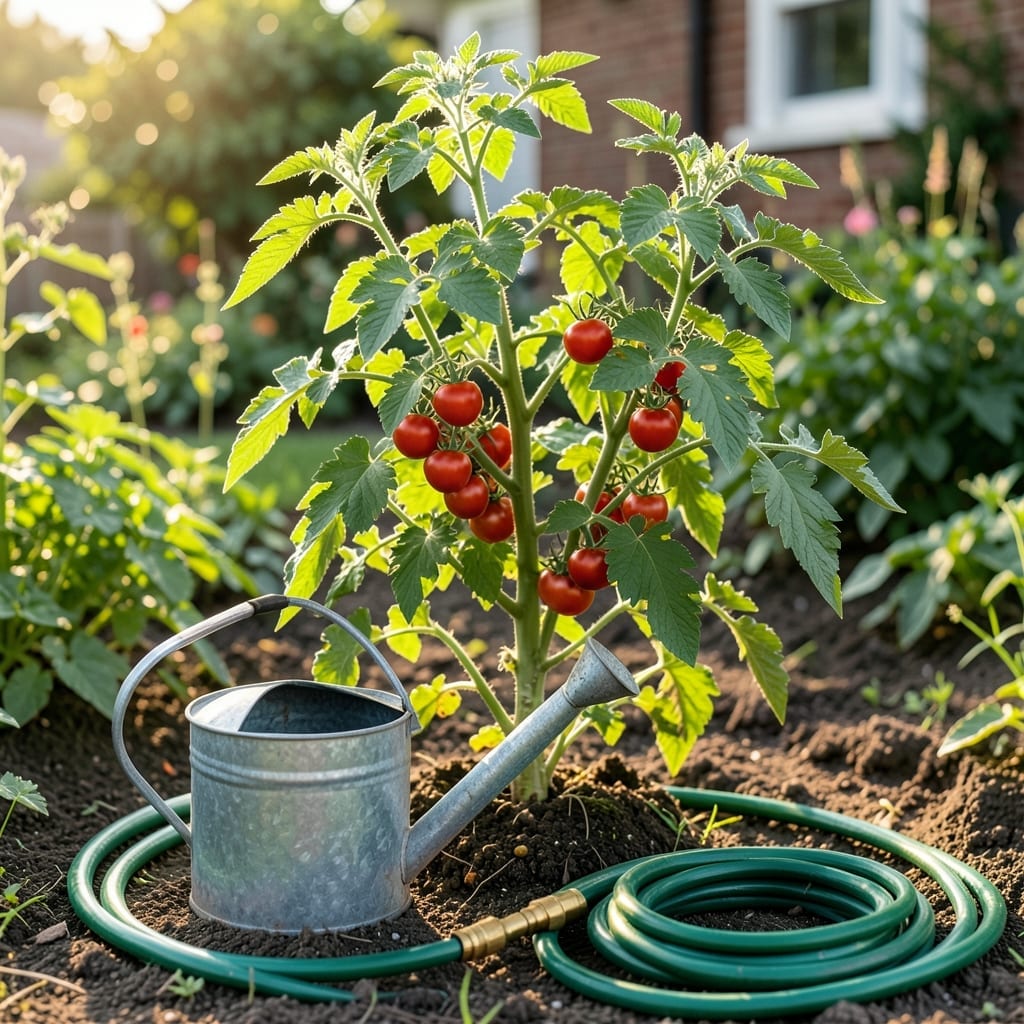
Summer heat can turn your thriving garden into a wilted wasteland overnight. That’s why adjusting your approach is the key to keeping your 🌱 General Plants healthy.
I’ve seen too many gardens suffer when the temperature rises, all because of inconsistent watering. The good news? A few simple tweaks can make all the difference.
You’ll discover how to strike the perfect balance between too much and too little water. No more guessing games or wasted effort.
Let me show you exactly how to keep your plants flourishing, even in the hottest months of the year.
When summer heat kicks in, your watering schedule needs a serious adjustment. Different plant types have unique moisture needs, and what works for succulents won’t cut it for tomato plants. 🌱
I’ve found that vegetables and annual flowers often need daily watering in extreme heat, while shrubs and perennials can usually go 2-3 days between drinks. It’s all about root depth and leaf surface area. 🌿
Succulents and cacti are the low-maintenance champions of summer, needing water just once a week or even less. Their thick leaves store water, making them drought-resistant stars in my garden. 🌵
For container plants, I check the soil moisture daily. Potted plants dry out faster than those in the ground, especially terracotta pots which wick moisture away quickly.
Newly planted shrubs and trees need more frequent watering—about 2-3 times per week—until their root systems establish. I always water deeply to encourage deep root growth.
Herbs like basil and cilantro can wilt dramatically in the heat. I give them a daily drink and they perk right back up. Consistent moisture keeps them productive and flavorful.
Remember, clay soil holds moisture longer than sandy soil. I adjust my watering frequency based on my soil type. A simple finger test—stick it 2 inches deep—tells me if it’s time to water. 💧
In extreme heatwaves, even drought-tolerant plants may need extra water. I watch for wilting leaves or dry soil as signs. Evening watering can help, but morning is still ideal.
Finally, mulching is my secret weapon. A 2-3 inch layer of organic mulch keeps soil temperature cooler and reduces water evaporation by up to 50%. It’s a game-changer for summer watering. ✂️
I’ve found that summer watering success starts with timing. The best time is early morning, before 10 AM, to reduce evaporation and prevent fungal growth. This lets plants absorb moisture before the heat peaks.
Another key is deep watering over frequent shallow sprinkles. Aim for 1-2 inches of water per week, ensuring it reaches the root zone. This encourages deeper root growth, making plants more drought-resistant.
Watch for signs of overwatering like yellowing leaves or soggy soil. On the flip side, drooping leaves or dry, cracked soil signal it’s time to water. It’s all about finding that balance.
I always recommend using a moisture meter if you’re unsure. It takes the guesswork out of deciding whether your tomatoes or petunias need a drink. Trust me, it’s a game-changer for summer care.
For potted plants, they dry out faster, so check them daily. I water my container herbs every 1-2 days in extreme heat, but always test the soil first. Consistency is key to thriving plants.
Finally, remember that newly planted specimens need more frequent watering to establish roots. Once settled, you can taper off, but summer heat often demands extra attention.