
Beautiful Plants For Your Interior
Beautiful Plants For Your Interior
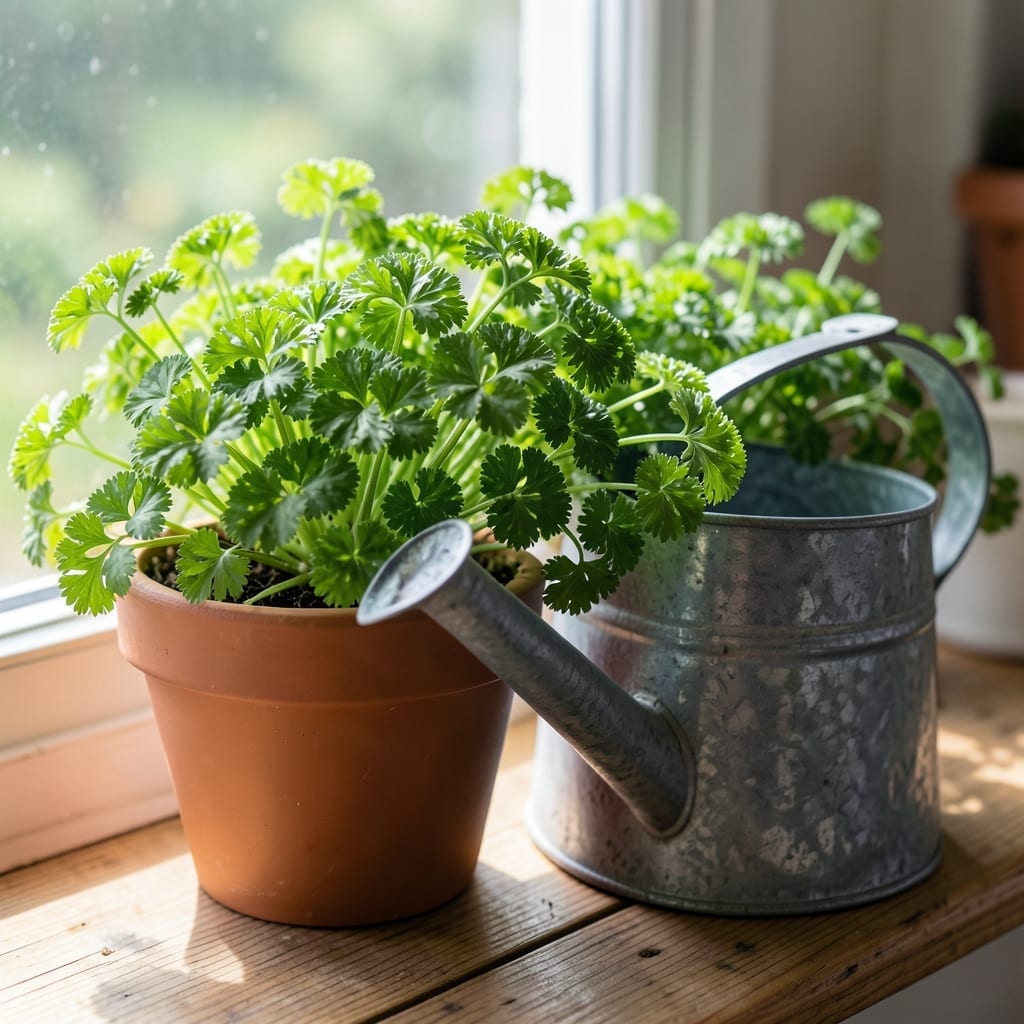
Parsley thrives with the right watering routine, but get it wrong and you’ll end up with wilted leaves or root rot. Discover the ideal frequency to keep your 🌿 healthy and flavorful all season long.
I’ve learned that this herb prefers consistently moist but well-drained soil. The trick is finding that perfect balance between too much and too little.
Let me walk you through the simple yet most important steps to ensure your Parsley gets exactly what it needs to grow strong and vibrant.
Getting your parsley watering schedule right is the secret to vibrant, healthy plants. I’ve found that consistent moisture without waterlogging is the golden rule for this herb. Parsley thrives when its soil stays evenly damp, but never soggy. 🌿
In my experience, most gardeners succeed with watering every 3-5 days, but this can vary based on your climate and soil. The key is to check the top inch of soil—if it’s dry, it’s time to water. This simple test prevents both underwatering and overwatering issues.
| Condition | Watering Frequency |
|---|---|
| Spring/Fall | Every 5-7 days |
| Summer Heat | Every 3-4 days |
| Winter Dormancy | Every 10-14 days |
| Container Grown | Every 3-4 days |
| In-Ground | Every 7-10 days |
For container-grown parsley, I recommend checking soil moisture daily during hot spells. Containers dry out much faster than garden beds, especially in full sun. A good rule is to water when the topsoil feels dry to the touch.
If you notice yellowing leaves, you might be overwatering. On the flip side, drooping or crispy leaves signal that your parsley is thirsty. Adjusting your routine based on these signs helps maintain that perfect balance.
I always water my parsley in the early morning. This gives the plants time to absorb moisture before the heat of the day and reduces evaporation. It also helps prevent fungal diseases that can develop with evening watering.
For well-draining soil, aim to provide about 1 inch of water per week, either through rainfall or manual watering. Sandy soils may require more frequent watering, while clay soils hold moisture longer and need less frequent attention.
During drought conditions, I increase watering to every 2-3 days to prevent stress. Mulching around the base of your parsley plants can help retain soil moisture and reduce the need for frequent watering.
Remember that young parsley seedlings need more consistent moisture than established plants. Keep their soil evenly moist until they’re well-rooted, then you can gradually reduce the frequency as they mature. ✂️
Finally, always use room-temperature water to avoid shocking your parsley’s roots. Cold water can stunt growth, especially in young plants. With these simple adjustments, you’ll keep your parsley lush and healthy throughout the growing season. 🌱
Adjusting your parsley watering routine for different environments ensures healthy growth. I’ve learned that container parsley needs more frequent attention than in-ground plants because pots dry out faster. The key is observing your specific growing conditions. 🌿
For drought-prone areas, I recommend deep watering 2-3 times weekly to encourage strong roots. Mulching with organic material helps retain moisture between waterings. This approach works well in both raised beds and traditional gardens.
When growing parsley indoors, I find that humidity levels greatly affect watering needs. In dry homes, you might need to water every 2-3 days, while humid environments may only require weekly watering. Always check the soil first.
For outdoor parsley in hot climates, I suggest watering in the early morning to prevent evaporation. This also gives the plant time to dry before evening, reducing disease risk. During heatwaves, I sometimes water twice daily.
In cooler climates, parsley needs less frequent watering. I typically water my outdoor plants once a week in spring and fall. The cooler temperatures and occasional rain help maintain the right moisture levels without extra effort.
For raised beds, which tend to drain faster, I check soil moisture every 2-3 days during summer. The elevated position means they dry out quicker than traditional garden beds, requiring more frequent attention to keep parsley happy. 🪴