
Beautiful Plants For Your Interior
Beautiful Plants For Your Interior
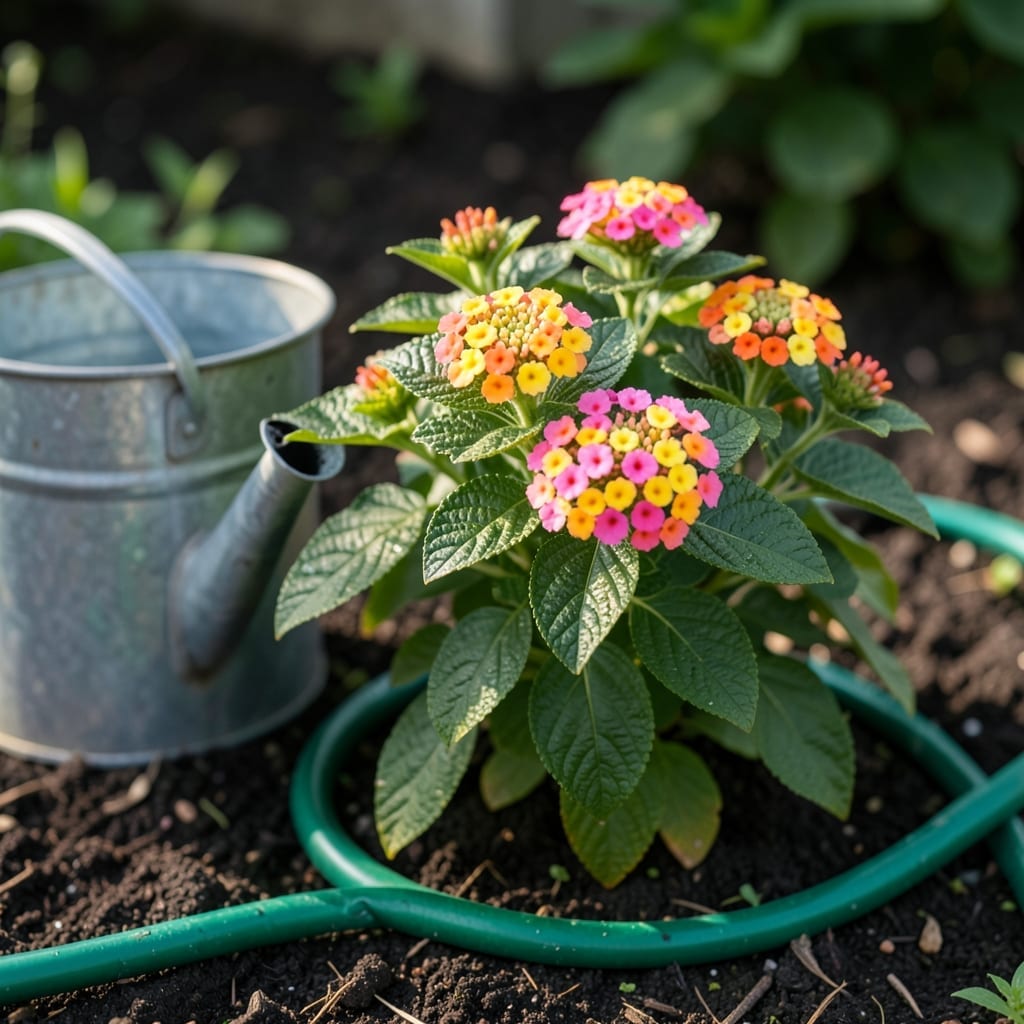
Lantana’s vibrant, long-lasting blooms can turn any garden into a pollinator paradise—but only if you nail the watering. Overwater and you’ll drown its drought-tolerant roots; underwater and you’ll stunt its legendary resilience.
I’ve seen 🌸 Lantana thrive in 7-11 zones with just the right approach. The key lies in understanding its unique needs, especially during those hot summer months when it craves consistency.
Discover how to strike the perfect balance for lush, colorful growth. Let me walk you through the easiest way to keep your plants happy and blooming all season long.
Getting the watering schedule right for lantana means understanding its seasonal needs. This hardy plant thrives on consistency but despises soggy roots.
I’ve found that spring calls for a weekly deep soak to kickstart growth, while summer’s heat demands 2x weekly attention to prevent wilting.
In fall, I switch to bi-weekly watering as the plant prepares for dormancy. This helps harden off the roots before winter’s chill.
For winter, I water monthly only in zones 7-11 if there’s no rainfall. Lantana’s drought tolerance shines here, but don’t let it dry out completely. 🌱
In potted lantana, the rules change slightly. I water every 5-7 days because containers dry out faster than garden soil. Always check the top inch of soil first.
For ground-planted lantana, I stretch intervals to 10-14 days once established. The deeper roots access moisture more efficiently, making it more low-maintenance.
I always water in the early morning to reduce evaporation and prevent fungal issues. This timing also lets the plant absorb moisture before the day’s heat.
Watch for wilting leaves or dry soil—these are clear signs your lantana needs a drink. But remember, yellowing leaves often mean you’re overdoing it. ☀️
In extreme heatwaves, I give my lantana an extra deep soak to help it cope. Mulching with organic material also retains moisture and keeps roots cool.
Consistency is key. Stick to this seasonal schedule, and your lantana will reward you with vibrant blooms all season long. 🌿
Spotting watering issues early can save your lantana from stress. I’ve learned that yellowing leaves often signal overwatering, while crispy edges scream for more hydration.
Overwatered lantana may develop root rot or mushy stems. The soil stays soggy, and the plant wilts despite wet conditions. This is your cue to hold off on watering and improve drainage.
Underwatered lantana shows dry, brittle leaves and dusty soil. A deep soak usually revives it quickly, especially if caught early in the day.
I always check the soil moisture before watering. Stick your finger 1-2 inches deep—if it’s dry, it’s time to water. If it’s damp, wait another day or two. 🌱
In extreme heat, lantana may wilt in the afternoon but perk up by evening. This is normal, but if wilting persists into morning, it’s a sign of underwatering.
For potted lantana, watch for leaves dropping or soil pulling away from the pot edges. These are classic signs it’s thirsty.
Remember, consistency is better than extremes. Lantana thrives on a steady routine, so avoid swinging between drought and flood. ☀️