
Beautiful Plants For Your Interior
Beautiful Plants For Your Interior
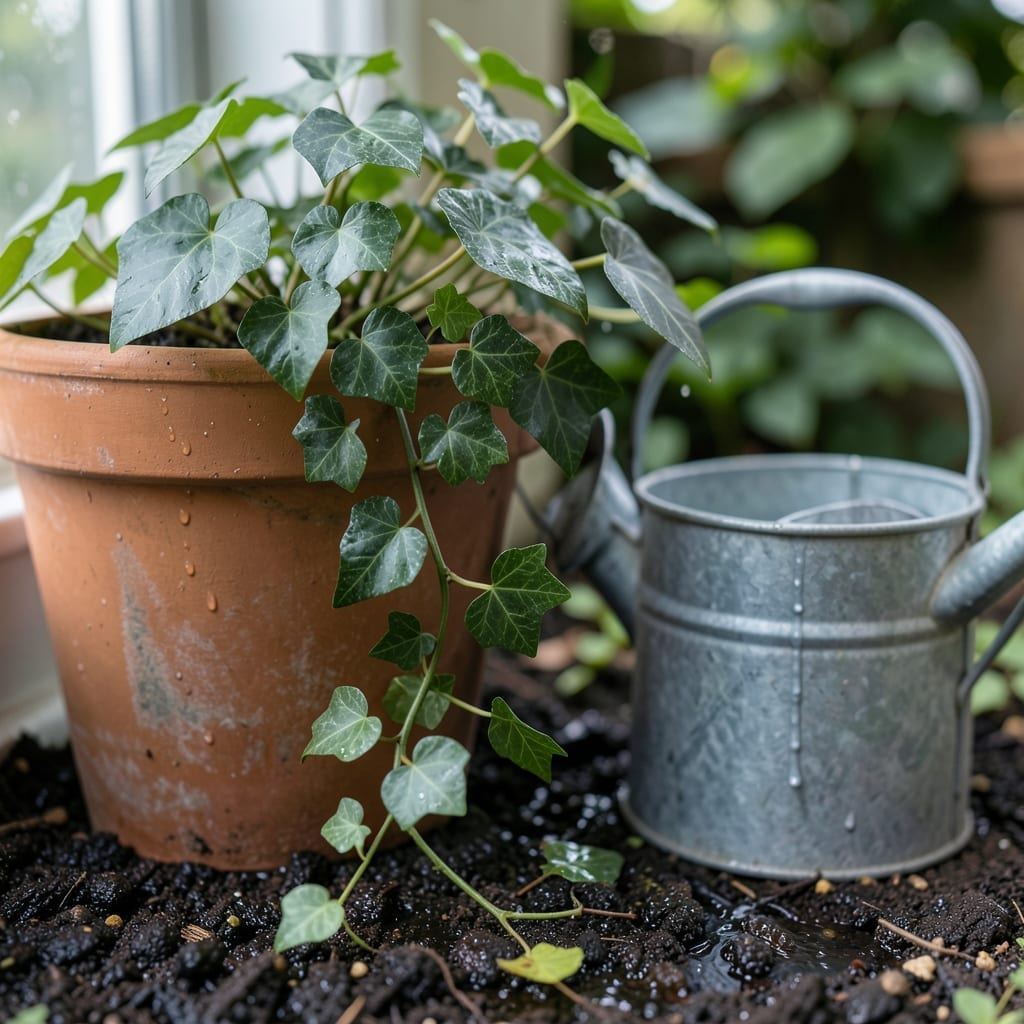
Overwatering or underwatering can turn your lush Ivy 🍃 into a wilting mess overnight. It’s a common struggle that leaves many plant parents frustrated.
Getting the watering schedule right is the key to vibrant, thriving foliage. Whether your ivy is indoors or climbing outside, the wrong approach can stunt its growth.
Discover how to read your plant’s needs and create a simple routine that keeps it flourishing year-round. Let’s make ivy care effortless.
Getting your ivy plant watering right means understanding its seasonal needs. These hardy vines thrive with consistent moisture but despise soggy roots, so timing is everything for healthy growth.
From spring’s growth spurt to winter dormancy, your watering schedule must adapt. I’ll break down exactly how often to water, factoring in climate and soil conditions.
| Season | Watering Frequency | Key Notes |
| Spring | Weekly | New growth needs consistent moisture |
| Summer | Every 5-7 days | Hot weather dries soil faster |
| Fall | Every 10-14 days | Reduce as growth slows |
| Winter | Monthly | Dormant ivy needs minimal water |
In spring, your ivy is waking up and pushing out new leaves. I recommend watering once a week to support this growth, but always check the top inch of soil first.
Summer heat demands more frequent watering—about every 5-7 days. Potted ivy may need water twice a week if the soil dries out quickly in containers.
As fall arrives, your ivy begins preparing for dormancy. Cut back to watering every 10-14 days, allowing the soil to dry slightly between sessions.
During winter, your ivy’s growth nearly stops. Monthly watering is usually sufficient, but check that the soil isn’t bone dry, especially if your home has dry indoor heating.
For outdoor ivy, rainfall may reduce your watering needs. I always suggest using a moisture meter to avoid guesswork, especially in unpredictable weather.
Well-draining soil is non-negotiable for ivy. If your plant sits in waterlogged soil, even the perfect schedule won’t save it from root rot. Mix in perlite or sand if needed.
Remember, these are general guidelines. Your ivy’s needs may vary based on humidity, pot size, and light exposure. When in doubt, it’s better to underwater than overwater.
Your ivy plant speaks through its leaves when water needs aren’t met. I’ve seen countless plants suffer from overwatering or underwatering, but catching the signs early saves them.
Look for yellowing leaves or mushy stems as red flags for too much water. Meanwhile, crispy edges and dry soil scream for a drink.
If your ivy’s soil feels dry to the touch an inch down, it’s time to water. I always use my finger to test—it’s the most reliable tool in my gardening kit.
For overwatered ivy, stop watering immediately and check the roots. Trim any black or mushy roots and repot in fresh, well-draining soil to prevent further damage.
Underwatered ivy often recovers quickly with a deep watering. Soak the soil until water runs from the drainage holes, then let excess drain completely.
Humidity levels affect water needs too. Indoor ivy in dry air may need water more often than outdoor plants in humid climates. I adjust my schedule based on the season and environment. 🌿