
Beautiful Plants For Your Interior
Beautiful Plants For Your Interior
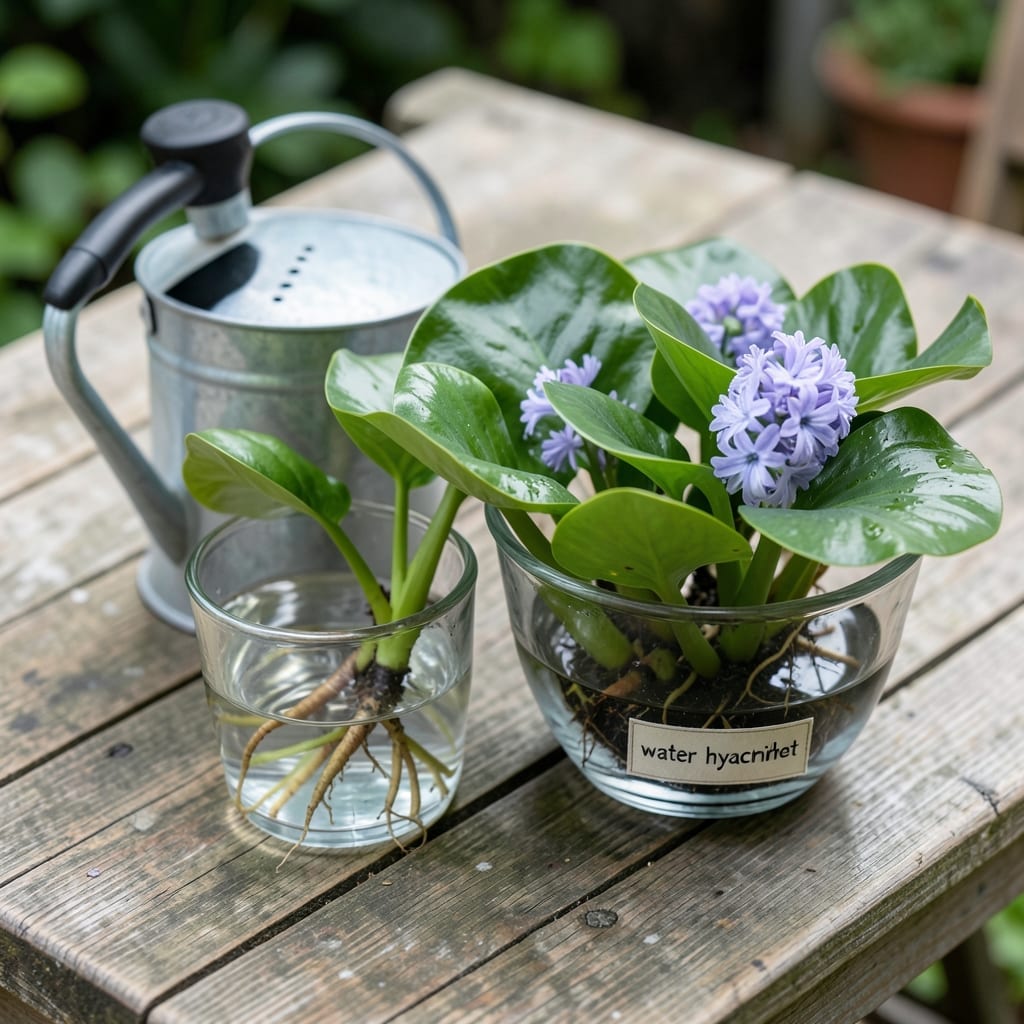
Hyacinths bring vibrant color and sweet fragrance indoors, but their watering needs often puzzle plant parents. Mastering the right schedule ensures lush blooms.
I’ve seen too many healthy 🌸 Hyacinths suffer from well-meaning but misguided care. The difference between thriving and struggling often comes down to timing.
Whether your plant sits in a sunny window or a cozy corner, small adjustments can make a big impact. Let me show you how to keep the soil just right.
Discover the simple routine that keeps your indoor Hyacinth happy and blooming beautifully all season long.
I’ve found that indoor hyacinths thrive with consistent moisture but despise soggy roots. The key is balancing water frequency with your home’s humidity levels and the plant’s growth stage. 🌱
For most potted hyacinths, I recommend watering every 7-10 days. However, this can shift to every 5-7 days in active growth or dry climates, while dormant bulbs may only need monthly watering. ☀️
| Growth Stage | Water Frequency | Amount | Notes |
|---|---|---|---|
| Active Growth | Every 5-7 days | 1 cup | Keep soil moist |
| Flowering | Every 7-10 days | 1 cup | Avoid wetting blooms |
| Dormant | Every 3-4 weeks | 1/2 cup | Let soil dry between |
I always check the top inch of soil before watering. If it feels dry to the touch, it’s time to water. Smaller pots dry out faster, so I adjust my schedule for 6-inch containers versus larger planters. 🌿
Humidity matters too. In my dry winter home, I water more often. A humidity tray or room humidifier can reduce watering needs by 20-30%, which I’ve found helpful.
For newly planted bulbs, I start with light moisture and increase as green shoots appear. This mimics their natural spring growth cycle and prevents rot in storage.
I’ve noticed morning watering works best. It allows excess moisture to evaporate during the day, reducing fungal risks. Always use room-temperature water to avoid shocking the roots.
Overwatering signs include yellowing leaves and a foul odor from the soil. If I see these, I stop watering and let the plant dry out for a few days.
Underwatering shows as drooping leaves and dry, crusty soil. When this happens, I give a deep watering until it drains from the bottom of the pot. ✂️
Remember, hyacinths in bloom need more water than dormant bulbs. I reduce watering after flowers fade to prepare for their summer dormancy period.
I’ve found that indoor hyacinths often show clear watering cues if you know where to look. Drooping leaves or yellowing tips usually signal overwatering, while crispy edges suggest thirst.
For me, the soil test is foolproof: stick your finger 1 inch deep. If it’s bone-dry, it’s time to water. If it feels soggy, hold off for a few days.
Overwatering:
Underwatering:
I always check my hyacinth’s pot for drainage holes. Without them, root rot becomes a real risk, even with careful watering. A well-draining mix helps prevent this issue.
Another trick I use is weighing the pot. A light pot often means it’s time to water, while a heavy pot suggests it’s still saturated.
If you notice mold on soil, reduce watering immediately and increase airflow. This often fixes the problem before it spreads to the hyacinth bulb.
Finally, remember that seasonal changes affect needs. In winter, I water less often, while spring growth demands more frequent attention. 🌸