
Beautiful Plants For Your Interior
Beautiful Plants For Your Interior
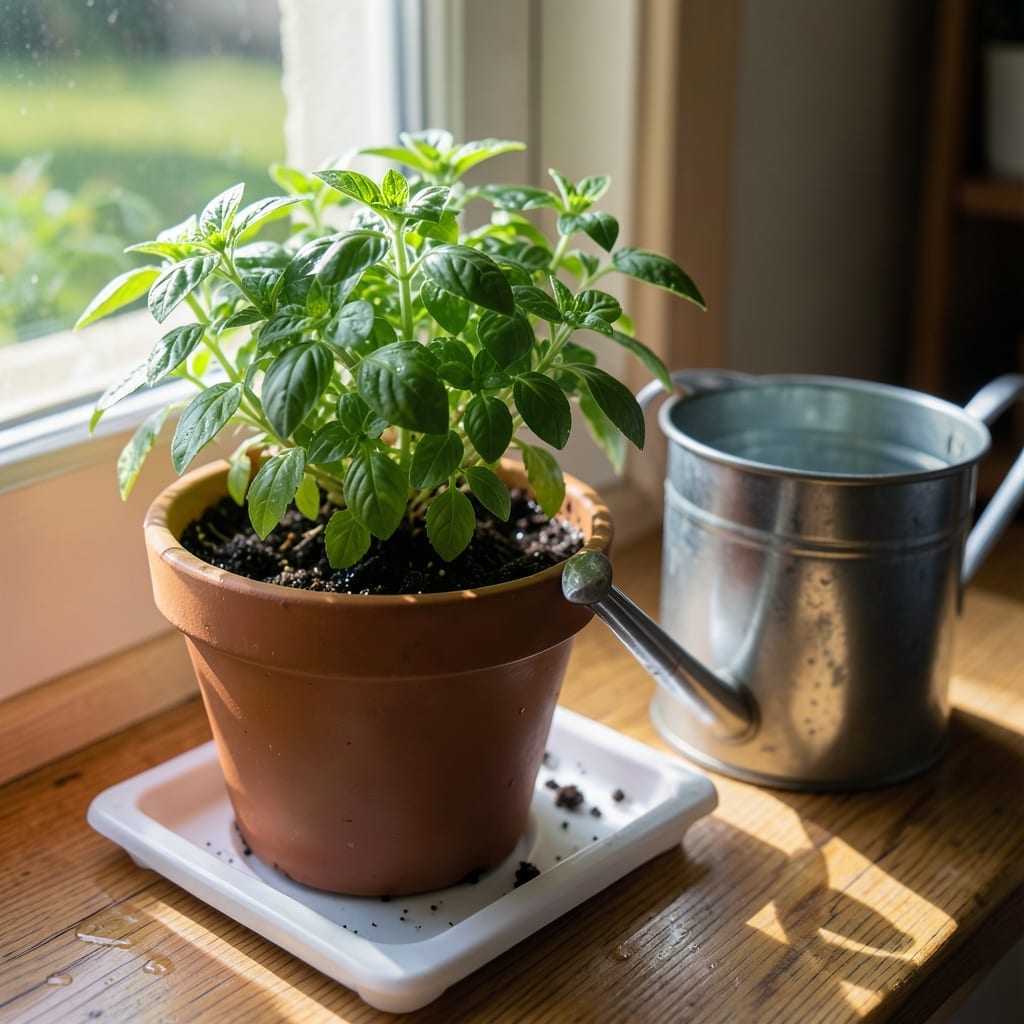
Overwatering or underwatering your indoor 🌿 herbs can mean the difference between a lush, flavorful harvest and a wilted, sad plant.
Mastering the right watering schedule ensures your basil, rosemary, and thyme thrive year-round. It’s not just about frequency—light, humidity, and pot size play the key roles too.
I’ll break down exactly what your herbs need to stay happy and healthy. No more guessing games or sad, drooping leaves.
Discover how simple adjustments can transform your indoor herb garden into a thriving, fragrant oasis.
Indoor herb watering isn’t one-size-fits-all. Basil thrives with consistent moisture, while rosemary prefers drier soil between waterings. Your environment plays a huge role too.
The key is observing your plants and adjusting for pot size, humidity, and light exposure. Smaller pots dry out faster, and low humidity means more frequent watering.
Overwatering signs include yellow leaves or mushy stems. If you see these, hold off on watering and check your drainage.
For underwatering, look for drooping leaves or dry soil pulling away from the pot edges. A deep watering session can usually revive your plant.
Light exposure affects water needs. Herbs in bright light dry out faster. I recommend checking soil moisture daily for south-facing windows.
Humidity levels matter too. In dry climates, you might need to water 1-2 days earlier than suggested. A pebble tray can help maintain moisture.
Pot size is crucial. Small 4-inch pots may need water every 2-3 days, while larger 12-inch containers can go 7-10 days between waterings.
Remember, these are general guidelines. Always check your soil before watering. Stick your finger 1 inch deep – if it’s dry, it’s time to water.
Seasonal changes affect your routine too. In winter, most herbs need less water as growth slows. In summer, you might water daily in extreme heat.
With practice, you’ll learn your herbs’ unique needs. The finger test and observation are your best tools for success 🌱
Getting the watering right for your indoor herbs can feel tricky, but a few simple tricks make it easy. I always start with the finger test—stick your finger an inch into the soil to check moisture levels.
It’s surprising how much pot size and drainage holes impact watering frequency. Smaller pots dry out faster, while larger ones retain moisture longer. Always ensure your containers have proper drainage to prevent root rot. 🌿
The type of water matters more than you think. Tap water with high chlorine or minerals can harm sensitive herbs like basil or mint. I use filtered or distilled water for my most delicate plants.
Seasonal changes require adjustments too. In summer, your herbs may need water every 3-4 days, while in winter, stretching to 10-14 days works better. Watch your plants—they’ll tell you what they need.
Don’t forget about humidity levels. If your home is dry, herbs like parsley and cilantro may need more frequent watering. A simple humidity tray can help maintain consistent moisture.
Finally, observe your herbs closely. Drooping leaves often mean thirst, while yellowing leaves can signal overwatering. With these tips, you’ll keep your indoor herb garden thriving all year. 🪴