
Beautiful Plants For Your Interior
Beautiful Plants For Your Interior
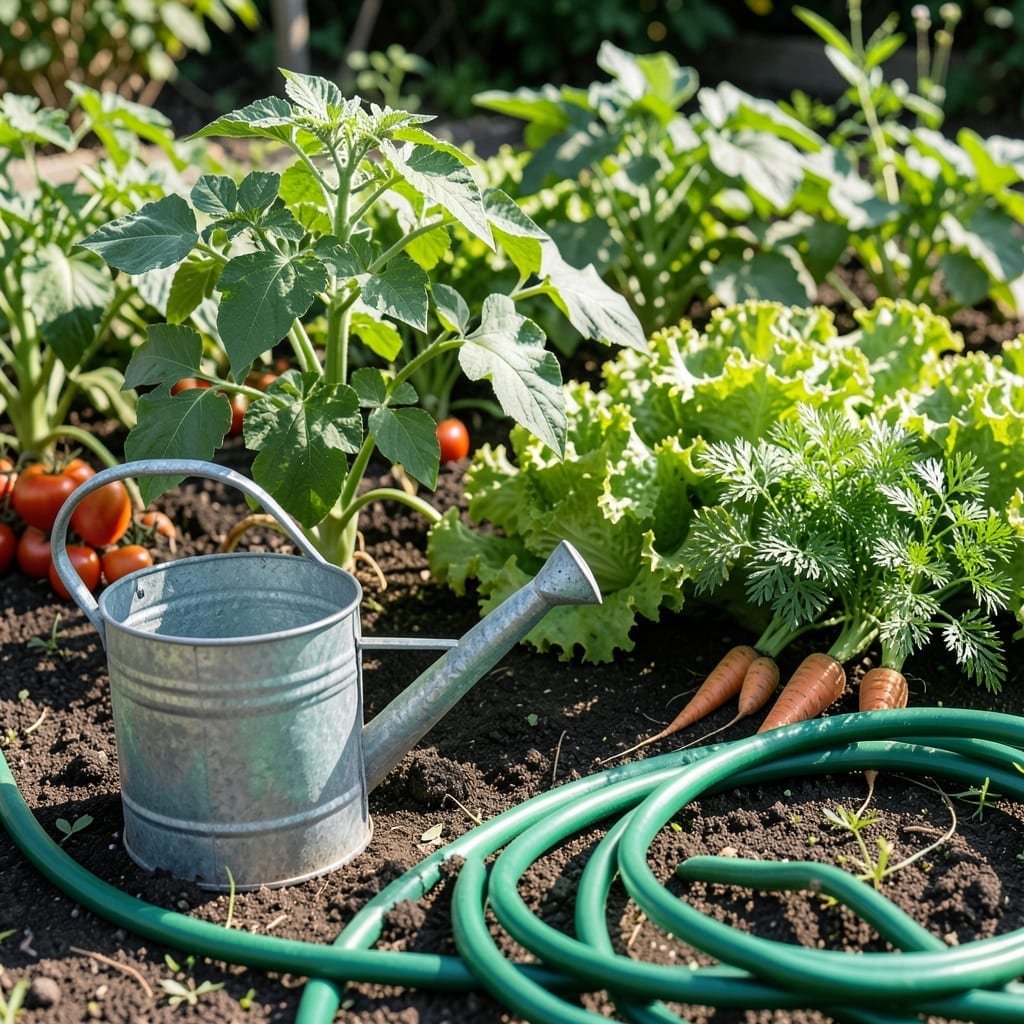
Watering your General Garden seems simple, but doing it wrong can harm your plants more than drought. The key lies in checking soil moisture before every session.
I’ve seen too many gardeners struggle with wilting plants or waterlogged soil. The solution is easier than you think – just 3 simple steps to perfect watering.
Discover how to read your garden’s needs and keep your 🌱 General Garden thriving with the right moisture balance.
Getting your watering frequency right starts with knowing your plants. I’ve found that vegetables like tomatoes and peppers thrive with deep watering every 3-4 days in hot weather. 🌱
Flowers and shrubs often need less, about once a week, depending on rainfall. The key is matching water needs to plant type and soil conditions.
| Plant Type | Watering Frequency | Soil Preference |
|---|---|---|
| Vegetables | Every 3-4 days | Well-draining |
| Flowers | Weekly | Loamy |
| Shrubs | Bi-weekly | Clay or loamy |
| Succulents | Every 2-3 weeks | Sandy |
Your soil type also plays a huge role. Sandy soil drains quickly, so I water my container gardens more often. Clay soil holds moisture, so I space sessions further apart. 🌿
In hot climates, I increase frequency, while in cool, humid areas, I cut back. Always check the top inch of soil—if it’s dry, it’s time to water.
For newly planted gardens, I recommend daily watering for the first week. This helps roots establish in their new home. After that, I taper off based on plant needs.
Morning watering is ideal—it reduces evaporation and gives plants time to absorb moisture before the heat of the day. Avoid watering at night to prevent fungal growth. ☀️
If you’re unsure, drip irrigation systems can help maintain consistent moisture. I’ve found they’re especially useful for raised beds and vegetable gardens.
Remember, overwatering can be just as harmful as underwatering. Yellowing leaves and soggy soil are signs you’re giving your garden too much love. 💧
Finally, always adjust based on seasonal changes. In summer, my garden needs more frequent watering, while in winter, I can scale back significantly.
Before you grab that watering can, I always recommend checking your soil moisture. This simple step prevents both overwatering and underwatering, which can stress your plants. 🌱
The finger test is my go-to method. I simply insert my finger 1-2 inches into the soil. If it feels dry at that depth, it’s time to water. If it’s moist, I wait another day.
For a more scientific approach, I use a moisture meter. These inexpensive tools give me instant readings and work great for container gardens and raised beds.
A visual check works well too. If the soil surface looks dry and cracked, it’s a clear sign your plants need water. For potted plants, I simply lift the pot – a lightweight container usually means dry soil. 🌿
Remember that different plants have different needs. My succulents can go weeks without water, while my vegetable garden needs checking every 2-3 days in summer heat.
I’ve found that morning checks work best. The soil is cooler and more stable, giving me the most accurate reading of my garden’s true moisture needs. ☀️