
Beautiful Plants For Your Interior
Beautiful Plants For Your Interior
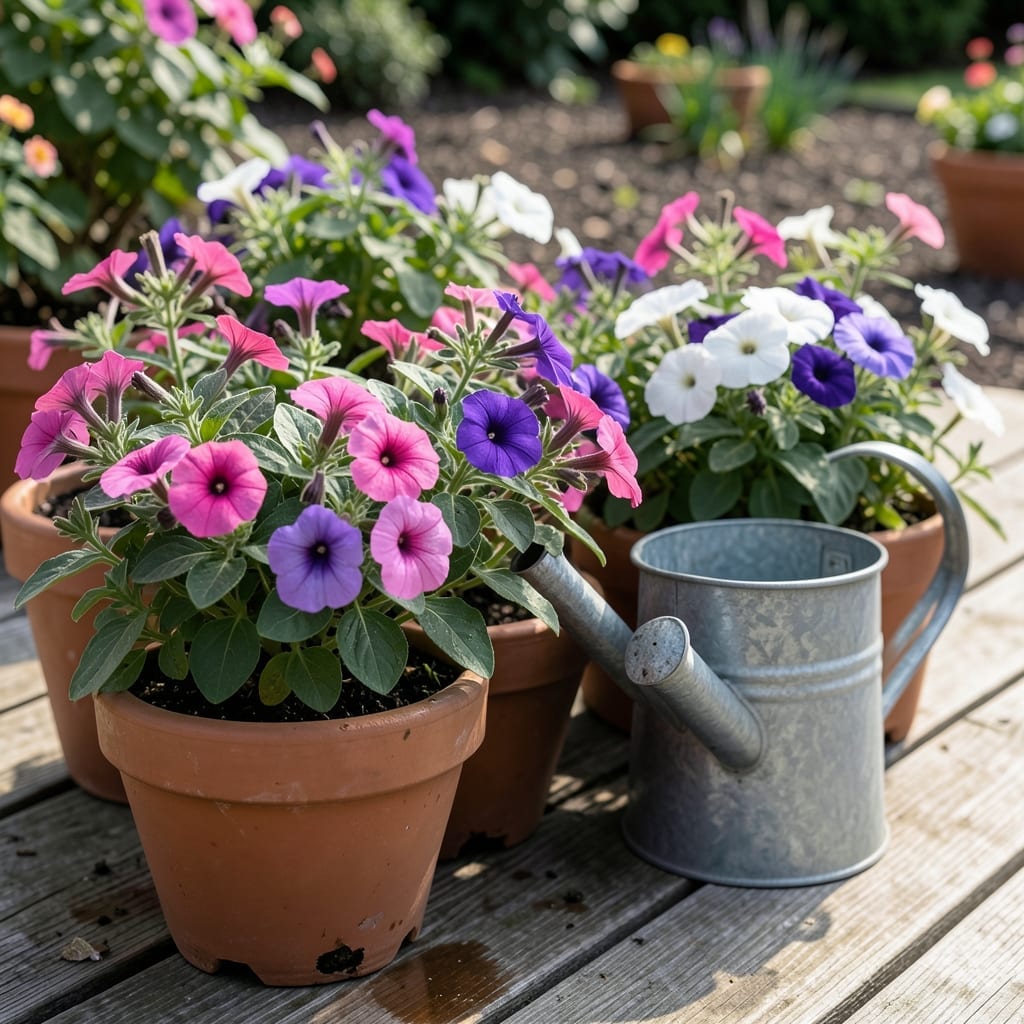
Overwatering or underwatering your potted 🌸 Flowers can turn vibrant blooms into wilting disappointment. That perfect balance is what separates thriving containers from sad, droopy plants.
I’ve seen too many gardeners struggle with this exact issue, not realizing how simple the solution can be. The key lies in understanding your plants’ needs and the environment they’re in.
Discover how to read the signs and create a watering schedule that keeps your potted flowers healthy through every season. Your garden will thank you.
Getting the watering frequency right for potted flowers changes everything. I’ve learned that seasonal adjustments are key to preventing both root rot and drought stress in containers.
Each season brings different moisture needs, and your watering schedule should adapt. Factors like temperature, humidity, and plant growth stage all play a role in how often you should water.
| cell” style=”background-color:#6fd544;color:#ffffff;”>Watering Frequency | row”> | cell”>Every 5 days | row”> | cell”>Every 3-4 days | row”> | cell”>Every 7 days | row”> | cell”>Every 10-14 days |
As temperatures drop in fall, your plants’ water needs decrease. I reduce my watering frequency but keep an eye on late-blooming varieties that may still need consistent moisture. Winter is the easiest season for watering, but don’t neglect your pots completely. Even dormant plants need occasional water, especially if they’re in a heated indoor space where air can be dry. Remember that pot size and material affect moisture retention. Clay pots dry out faster than plastic ones, and smaller containers need more frequent watering than large ones. I always lift my pots to gauge their weight—light pots usually mean it’s time to water, while heavy ones can often wait another day or two. Finally, plant type matters. Succulents and drought-tolerant flowers like lavender or portulaca need less water, while moisture-loving plants like impatiens or begonias thrive with more frequent drinks. Adjust your schedule based on the specific needs of your flowers, and you’ll be rewarded with lush, vibrant blooms all season long 🌷 5 Signs Your Potted Flowers Need Water (Or Too Much)Knowing when to water is just as important as knowing how often. I’ve found that visual cues and tactile checks are the best ways to gauge your plants’ needs. Your potted flowers will often tell you exactly what they need if you know what to look for. Drooping leaves and dry soil are classic signs, but there are more subtle indicators too.
✅ 5 Key Signs to Watch For:
For underwatered plants, I immediately check the soil moisture with my finger. If the top 2 inches are dry, it’s time to water thoroughly until it drains from the bottom. With overwatered plants, I stop watering and let the soil dry out. If root rot is suspected, I gently remove the plant, trim any black, mushy roots, and repot in fresh, well-draining soil. Sometimes the signs can be confusing. For example, both overwatering and underwatering can cause leaf drop. That’s why I always check the soil moisture first before deciding. I also pay attention to the pot’s weight. A light pot usually means it needs water, while a heavy pot suggests it’s still moist. This simple trick has saved me from many watering mistakes 🌿 |