
Beautiful Plants For Your Interior
Beautiful Plants For Your Interior
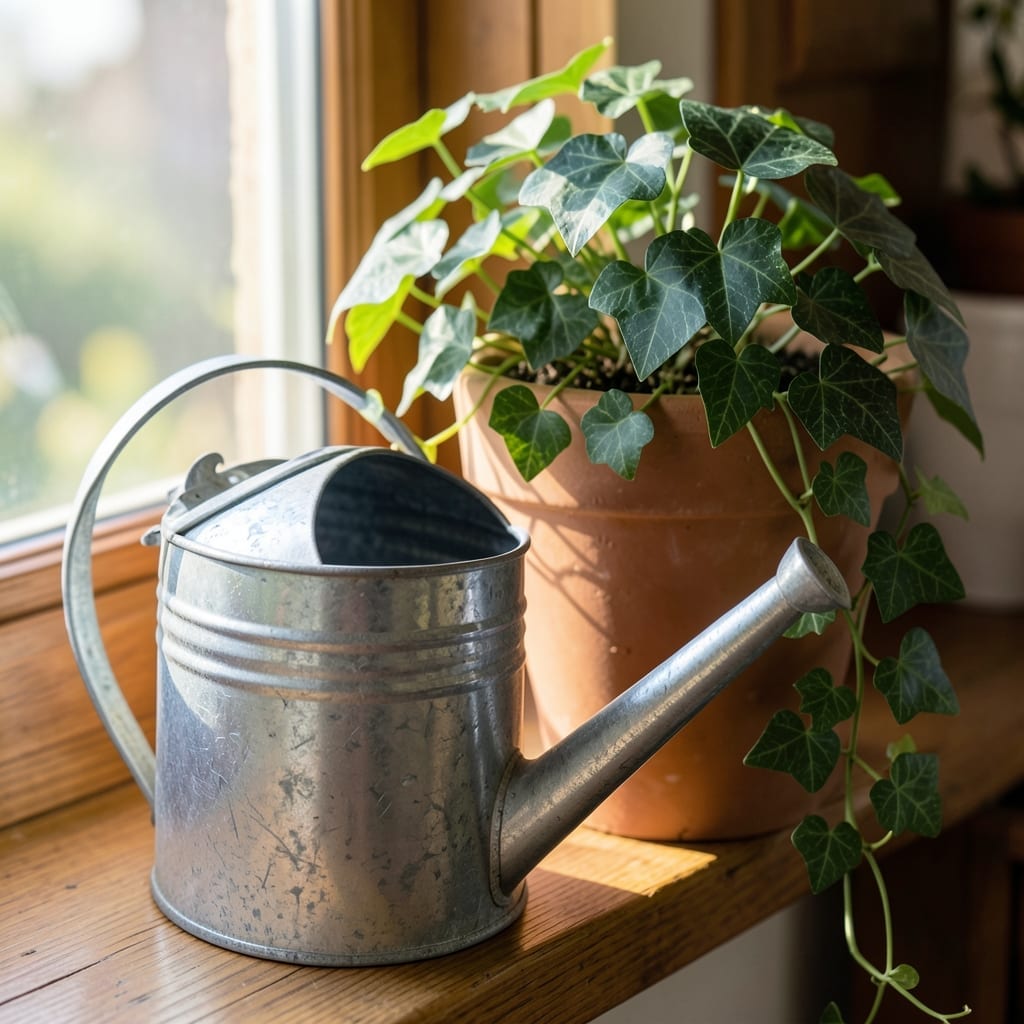
English Ivy 🌿 is a hardy plant, but even the toughest greenery can struggle with the wrong watering routine. Too much water drowns its roots, while too little leaves it parched and weak.
Finding that perfect balance is what separates thriving vines from struggling ones. Whether your English Ivy is climbing a trellis or cascading from a hanging basket, its water needs change with the seasons.
Discover the simple yet effective schedule that keeps this versatile plant lush and healthy all year. Let me show you how to get it right, every time.
Getting the watering schedule right for English ivy means understanding its seasonal needs. This adaptable vine thrives with consistent moisture but hates soggy roots, so timing is everything.
In spring and fall, I water my ivy once a week, letting the soil dry slightly between sessions. The plant is active but not stressed by extreme heat or cold.
🌿 English Ivy Watering Guide
| Season | Frequency | Notes |
|---|---|---|
| Spring | Weekly | New growth begins |
| Summer | 2x/Week | Hot climate check soil |
| Fall | Weekly | Cooler temps reduce |
| Winter | Bi-weekly | Dormant phase |
Summer demands more attention—I increase watering to twice weekly in hot climates. Always check the top inch of soil first; if it’s dry, it’s time to water.
For indoor ivy, I stick to every 5-7 days, but I adjust based on humidity. Low indoor humidity often means more frequent watering to prevent leaf crisping.
Winter is the easiest—I switch to bi-weekly watering since the plant is dormant. Overwatering now leads to root rot, so I always err on the side of caution.
If your ivy is outdoors in the ground, it can often go 10-14 days without water, thanks to deeper root systems. But container plants dry out faster and need closer monitoring.
I always water in the early morning to give the plant time to absorb moisture before the heat of the day. This also reduces the risk of fungal diseases that thrive in damp, evening conditions.
Remember, well-draining soil is non-negotiable. English ivy despises waterlogged roots, so ensure your pots have drainage holes and your garden soil isn’t compacted.
Finally, if you’re unsure, stick your finger in the soil. If the top inch feels dry, it’s time to water. This simple trick has saved my ivy from both overwatering and underwatering more times than I can count.
🌿Your English ivy will tell you when it’s thirsty or drowning—if you know what to look for. I’ve learned to spot these signals early to keep my ivy thriving.
Yellowing leaves often mean overwatering, while crispy brown edges scream for more hydration. The plant’s language is subtle but clear once you understand it.
🌿 Watering Clues for English Ivy
✅ Needs More Water
❌ Too Much Water
I check my ivy’s soil moisture by sticking my finger 1-2 inches deep. If it’s bone dry, I water immediately. If it’s soggy, I hold off for a few days.
Drooping leaves can be tricky—they might indicate both underwatering and overwatering. I solve this by checking the soil first. Dry soil means water; wet soil means wait.
Another telltale sign is leaf texture. Crispy leaves that snap when bent mean underwatering. Soft, squishy leaves often signal root rot from too much water.
For indoor ivy, I watch for brown leaf tips, which usually mean low humidity or inconsistent watering. A quick misting or pebble tray can help.
Finally, stunted growth during spring or summer often means your ivy isn’t getting enough water to support its active growth phase. Adjust your schedule and watch it bounce back.
🌿