
Beautiful Plants For Your Interior
Beautiful Plants For Your Interior
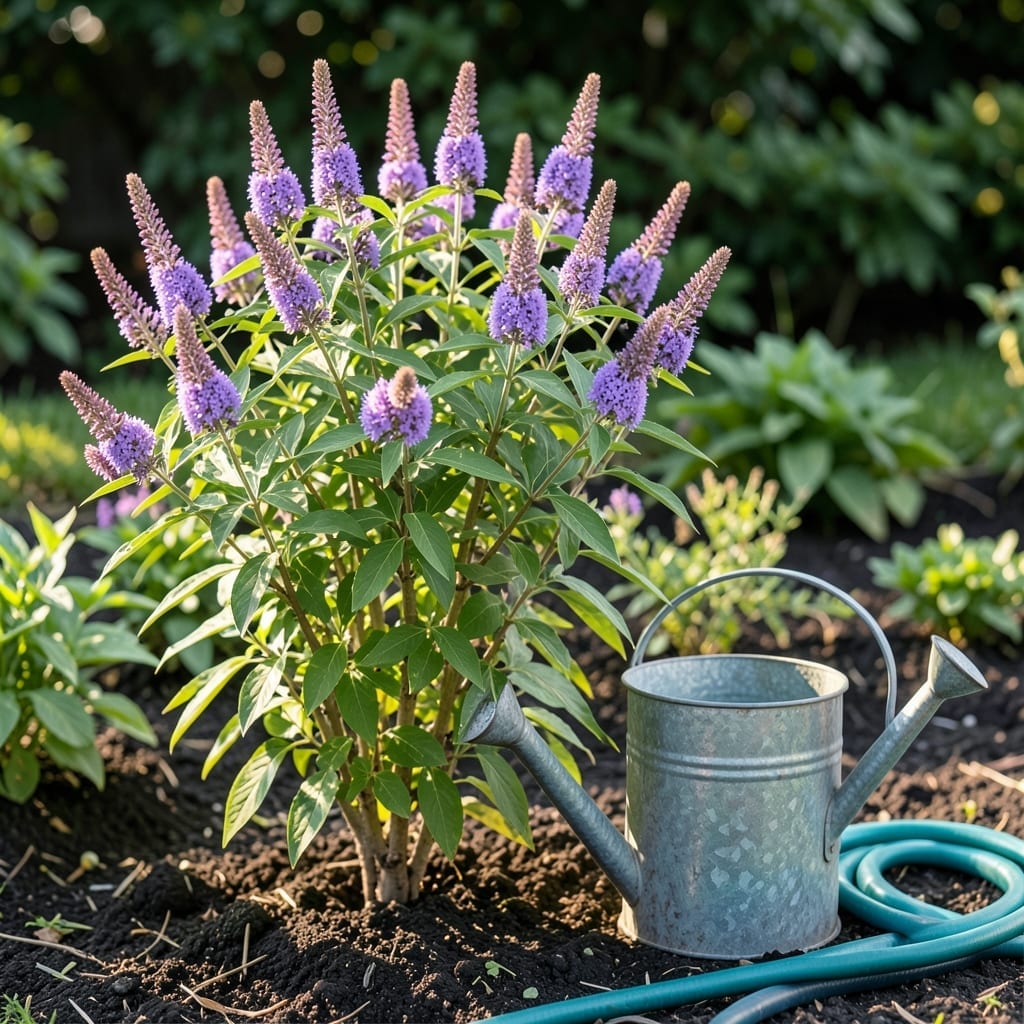
Butterfly bushes 🦋 thrive with the right watering schedule, but many gardeners unknowingly drown their roots or leave them parched. There’s a delicate balance to keeping these pollinator magnets healthy.
Getting it right means understanding your climate, soil type, and the Butterfly Bush’s growth stage. Too much water invites rot, while too little stunts those vibrant blooms we all love.
Discover the seasonal rhythm that transforms your garden into a buzzing oasis. I’ll show you exactly how to hit that sweet spot.
Getting the watering schedule right for your butterfly bush can feel tricky, but it’s simpler than you think. These hardy shrubs have moderate moisture needs once established, but their requirements shift with the seasons.
In spring, focus on deep weekly watering to support new growth. This helps the roots spread strong and deep before summer heat arrives. Morning watering works best to prevent evaporation.
| Season | Frequency | Amount | Notes |
|---|---|---|---|
| Spring | Weekly | Deep soak | Encourages root growth |
| Summer | 2x weekly | 1-1.5 gallons | Adjust for extreme heat |
| Fall | Weekly | Moderate | Prepare for dormancy |
| Winter | Monthly | Light | Only if no rainfall |
During summer’s peak heat, your butterfly bush will likely need water twice weekly. I recommend a deep soak of 1-1.5 gallons per session to reach the root zone. If you’re in a dry climate, you might need to water every 3-4 days.
Fall watering helps your plant store energy for winter. Scale back to weekly sessions with less water as temperatures drop. This gradual reduction prevents stress as the plant enters dormancy.
In winter, your butterfly bush needs minimal water. A monthly light watering suffices if there’s no rain or snow. The goal is to keep the roots from drying out completely, not to encourage new growth.
For humid climates, you can often reduce frequency. Well-draining soil is crucial here to prevent root rot. If your soil stays soggy, cut back on watering and consider improving drainage.
Newly planted butterfly bushes need more attention. Water them 2-3 times weekly for the first month, then gradually reduce to the seasonal schedule. This helps establish strong roots before they face seasonal stresses. 🌱
Container-grown bushes dry out faster than in-ground plants. Check the top inch of soil – if it’s dry, it’s time to water. These may need daily watering in extreme heat, but always check soil moisture first.
Remember, these are drought-tolerant plants once established. When in doubt, water less rather than more. Overwatering does more harm than slight underwatering in most cases. 💧
Your butterfly bush can’t talk, but it gives clear signals about its water needs. Learning to read these signs helps you adjust before problems arise. I check mine weekly for these telltale indicators.
Look beyond the leaves – the soil condition and overall plant vigor often reveal more. Catching issues early prevents stress that could reduce those beautiful pollinator-attracting blooms.
The most obvious sign is drooping leaves that don’t perk up by midday. This typically means the plant needs immediate watering. I’ve found that a deep soak usually revives it within hours.
Yellowing leaves often confuse gardeners, as they can mean both too much or too little water. Check the soil – if it’s soggy, you’re overwatering. If it’s bone dry, your bush needs more frequent drinks.
Crispy brown edges on leaves are a sure sign of underwatering. This usually appears first on the oldest leaves. When I see this, I increase watering frequency and ensure the soil stays consistently moist.
Remember, these signs often appear 2-3 days after the problem starts. Regular checks help you catch issues early. A simple finger test in the soil tells you more than any fancy moisture meter. 🌱