
Beautiful Plants For Your Interior
Beautiful Plants For Your Interior
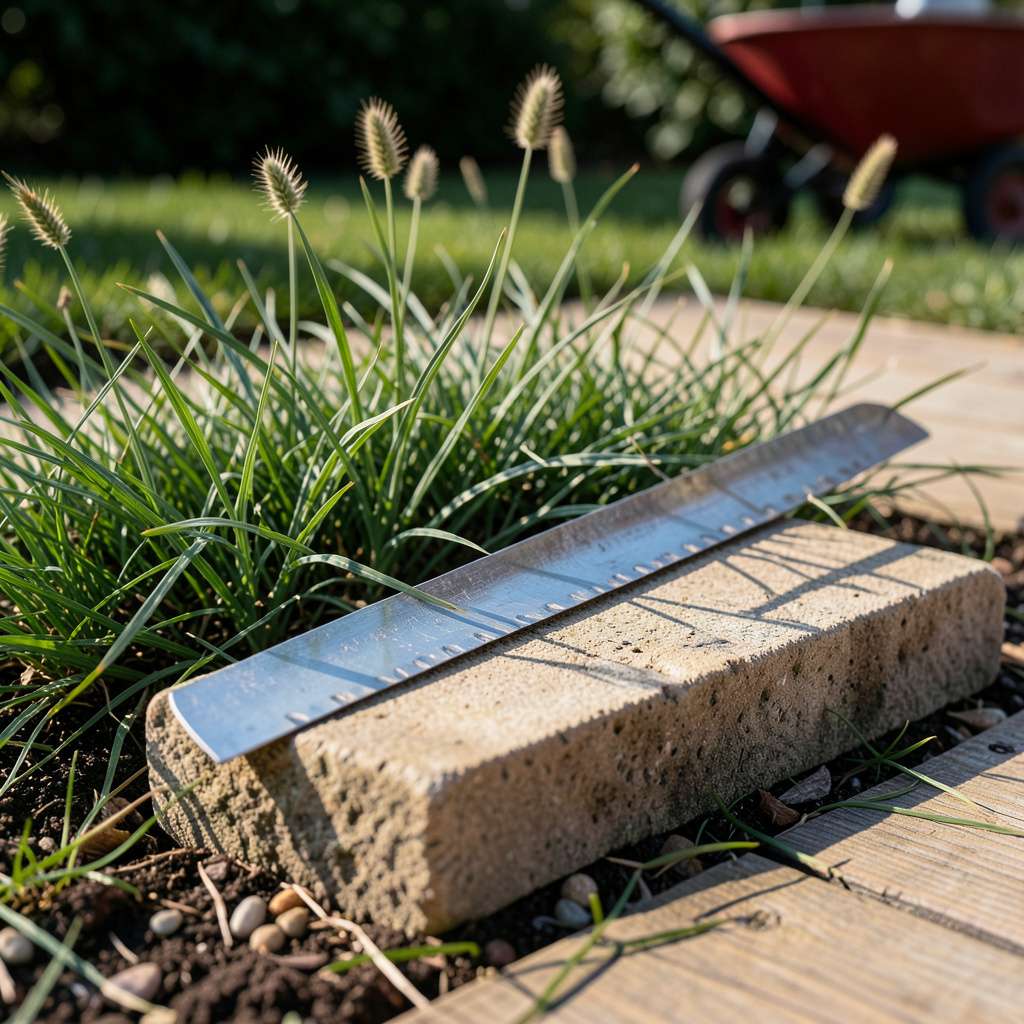
Mower blades should be sharpened every 20-25 hours of use or at least twice per mowing season for residential lawns. Commercial use requires sharpening every 10-15 hours. Dull blades tear grass instead of cutting cleanly, damaging your lawn.
I’ve learned through years of lawn care that blade maintenance isn’t just about cutting efficiency—it’s about protecting your grass from hidden damage. 🌱 When blades lose their edge, they create jagged tears that expose grass to pests and diseases. Think of it like using scissors: a clean cut heals faster than a ragged one. For homeowners, I recommend checking blades monthly during peak season, while professionals should inspect them weekly. The difference in lawn quality after sharpening is always noticeable.
💡 In This Article
When your mower blade loses its edge, it stops making clean cuts and starts tearing grass blades. This tearing action creates jagged wounds that expose the plant’s vascular system—like leaving a door open for pathogens.
🌱 The damaged tissue turns brown within 24-48 hours as the grass struggles to heal, giving your lawn that ragged, sunburned appearance even when properly watered.
The science behind this lies in how grass blades function. A sharp blade makes a surgical cut that seals quickly, while a dull blade shreds the leaf tissue. This shredding disrupts the grass’s ability to photosynthesize efficiently—studies show torn blades can reduce photosynthesis by up to 30% compared to clean cuts.
The stress also triggers increased water loss through the damaged areas, making your lawn more susceptible to drought conditions.
What’s happening at the microscopic level is even more concerning. Those ragged edges create entry points for fungal spores and bacteria. Common lawn diseases like dollar spot and brown patch spread 40% faster in lawns cut with dull blades, according to turfgrass research.
The stress from poor cutting also weakens the grass’s natural defenses, making it more vulnerable to insect attacks from grubs and chinch bugs.
There’s a visible progression you can watch for: first you’ll see white or tan tips on grass blades 1-2 days after mowing, then brown patches develop within a week. The lawn may appear drought-stressed even with adequate watering. In severe cases, you might notice increased thatch buildup as the grass struggles to recover between cuts.
This cycle of damage and recovery stresses the entire root system, potentially reducing your lawn’s density by 15-20% over a single season.
The solution isn’t just about aesthetics—it’s about plant health. A properly sharpened blade creates a clean cut that heals in 12-24 hours, maintaining the grass’s ability to absorb sunlight and nutrients. I’ve seen lawns transform from patchy and stressed to lush and vibrant simply by maintaining blade sharpness.
The difference is especially noticeable in fine fescues and Kentucky bluegrass, which show damage more dramatically than heartier varieties like tall fescue.
Consider this comparison: a sharp blade leaves a cut similar to pruning shears on a shrub, while a dull blade acts like ripping paper with your hands. The latter creates far more damage that takes longer to recover from.
This is why professional lawn services sharpen blades after every 8-10 hours of use—they’ve seen how quickly damage accumulates and how much it affects long-term lawn health.
Neglecting blade maintenance creates a chain reaction of lawn problems. Dull blades tear grass instead of cutting, leaving jagged edges that turn brown within 24-48 hours. This stress makes your lawn more vulnerable to diseases like dollar spot and pests like grubs.
Over time, the damage accumulates—your lawn may develop thin patches, increased thatch, and require more water to stay green. The mower itself also suffers: unbalanced blades cause excessive vibration that can damage the engine and deck over 2-3 seasons.
While possible, I strongly advise against it. The risk of accidental engine starts or uneven sharpening isn’t worth the time saved. Always disconnect the spark plug first if attempting this method—then use a specialized mower blade sharpener designed for in-place sharpening.
Even with these tools, you can’t properly check blade balance or inspect for bends/cracks without removal. The underside of blades collects debris that accelerates wear—you’ll miss this during in-place sharpening, potentially shortening blade life by 30-50%.
Watch for these visual clues: white or tan tips on grass blades 1-2 days after mowing, or a “fuzzy” appearance to your lawn when viewed from a distance. Another test—run your hand lightly over freshly cut grass. If the tips feel ragged instead of smooth, your blades need attention.
Listen to your mower too—dull blades create a different sound (more tearing than clean cutting) and may cause the engine to labor. Bermuda and Zoysia grasses show damage faster than fescue, so adjust your inspection frequency based on your turf type.
Timing matters more than you think! Sharpen blades just before your lawn’s peak growth periods—early spring and again in mid-summer (around July for most regions). This aligns with when grass is most vulnerable to damage from poor cuts.
Avoid sharpening right after hitting frozen ground or sandy soil—these conditions accelerate wear. For cool-season grasses, a late fall sharpening prepares your mower for winter storage and ensures clean cuts during the important fall root growth period.
Sharpening restores the cutting edge, while balancing ensures the blade doesn’t vibrate during operation. An unbalanced blade (even if sharp) can cause premature engine wear and create an uneven cut pattern. Always check balance after sharpening—hang the blade on a nail through its center hole.
If one side dips, remove metal from the heavier end until it sits level. Professional shops use magnetic balancers for precision, but a DIY nail-through-2×4 method works nearly as well for homeowners. Proper balancing extends mower life by 20-30%.
