
Beautiful Plants For Your Interior
Beautiful Plants For Your Interior
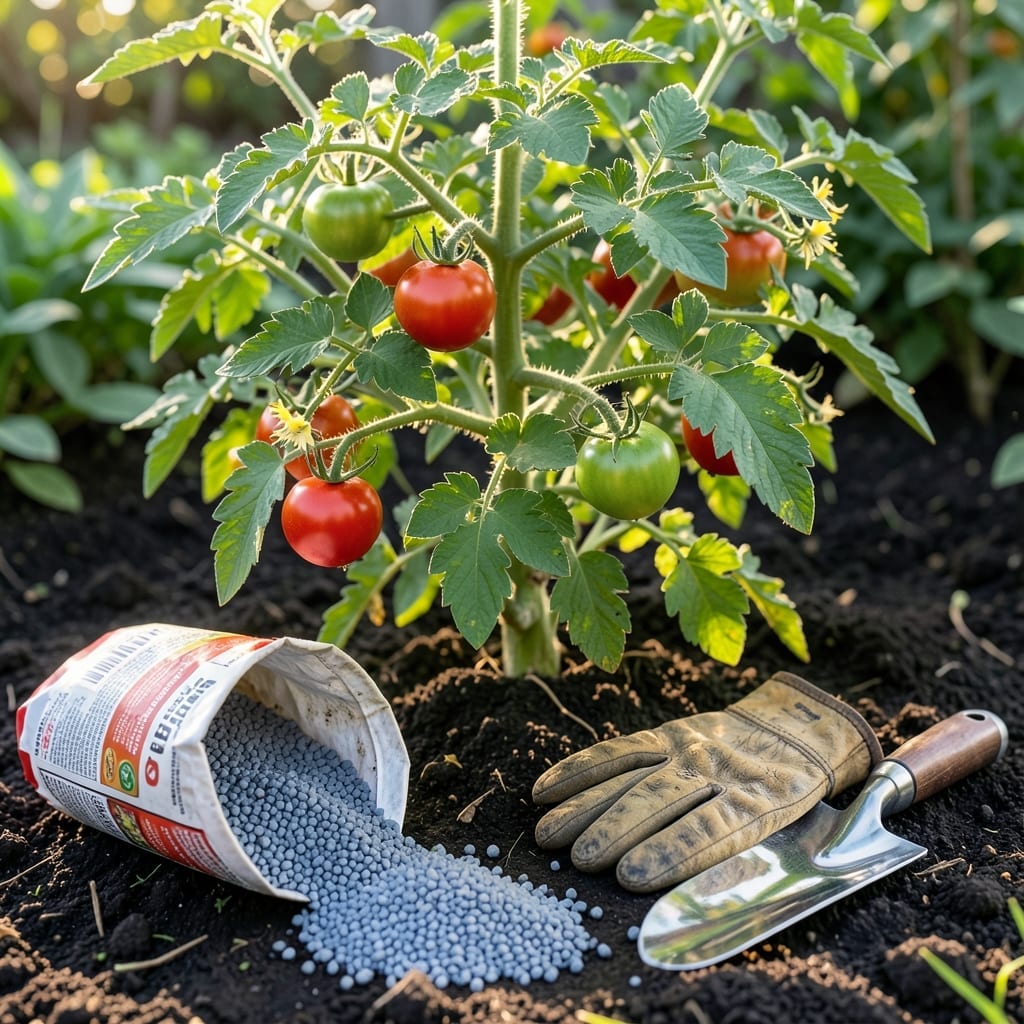
A well-timed fertilizing schedule can double your 🥕 Vegetable Garden’s yield, but overdoing it can harm your plants and the soil. I’ve seen both amazing results and costly mistakes from gardeners trying to get it right.
Getting the frequency just right ensures your plants thrive without wasting resources. The key is understanding your garden’s unique needs, from soil type to seasonal changes.
Discover how to create the perfect balance for bigger harvests all season long. Let me walk you through the essentials.
Timing your fertilizer applications can make or break your vegetable garden’s success. I’ve learned that each season demands a different approach to keep plants thriving.
In spring, your garden wakes up hungry after winter dormancy. This is when I focus on soil preparation and the first feeding to kickstart growth.
| Season | Frequency | Key Action |
|---|---|---|
| Spring | Every 4 weeks | Apply at planting + monthly |
| Summer | Every 6 weeks | Light feeding to avoid burn |
| Fall | Every 4-6 weeks | Final feeding for winter prep |
| Winter | None | Dormant season rest |
During summer, the heat stresses plants, so I switch to lighter applications. Heavy feeding now can burn roots and reduce yield.
I always recommend testing your soil before fertilizing. A simple test reveals nutrient deficiencies and pH levels, helping you choose the right fertilizer.
Heavy feeders like tomatoes and peppers need more frequent applications. I feed them every 3-4 weeks during peak growth.
For leafy greens and root crops, less is more. I use a balanced 10-10-10 fertilizer every 6 weeks to avoid excessive leafy growth.
Remember, organic fertilizers like compost release nutrients slowly. I apply them every 4-6 weeks for steady nourishment.
Synthetic fertilizers act fast but can leach away. I use them sparingly, about every 6-8 weeks, and always water them in well.
Finally, observe your plants. Yellow leaves often signal nitrogen deficiency, while stunted growth may indicate a need for phosphorus. 🌱
Your vegetable garden often tells you when it needs a nutrient boost. I watch for yellowing leaves or slow growth as clear signals that it’s time to feed.
But over-fertilizing can be just as harmful as under-doing it. I’ve learned to hold off when plants show brown leaf tips or wilting despite adequate water.
⚠️ Warning: Burned roots and salt buildup can occur from excess fertilizer. Always follow package rates and water thoroughly after applying.
Stunted growth is another red flag. If your tomato plants aren’t reaching their usual height, they likely need phosphorus for root development.
For leafy greens, pale or light green leaves often mean nitrogen deficiency. I apply a balanced fertilizer to restore vibrant color and growth.
However, if your plants are thriving with dark green leaves and strong stems, they may not need more fertilizer. I skip applications during peak growth periods to avoid overloading.
Always test your soil before adding more nutrients. A quick test can reveal if your garden truly needs feeding or if it’s just a watering issue. 🌱