
Beautiful Plants For Your Interior
Beautiful Plants For Your Interior
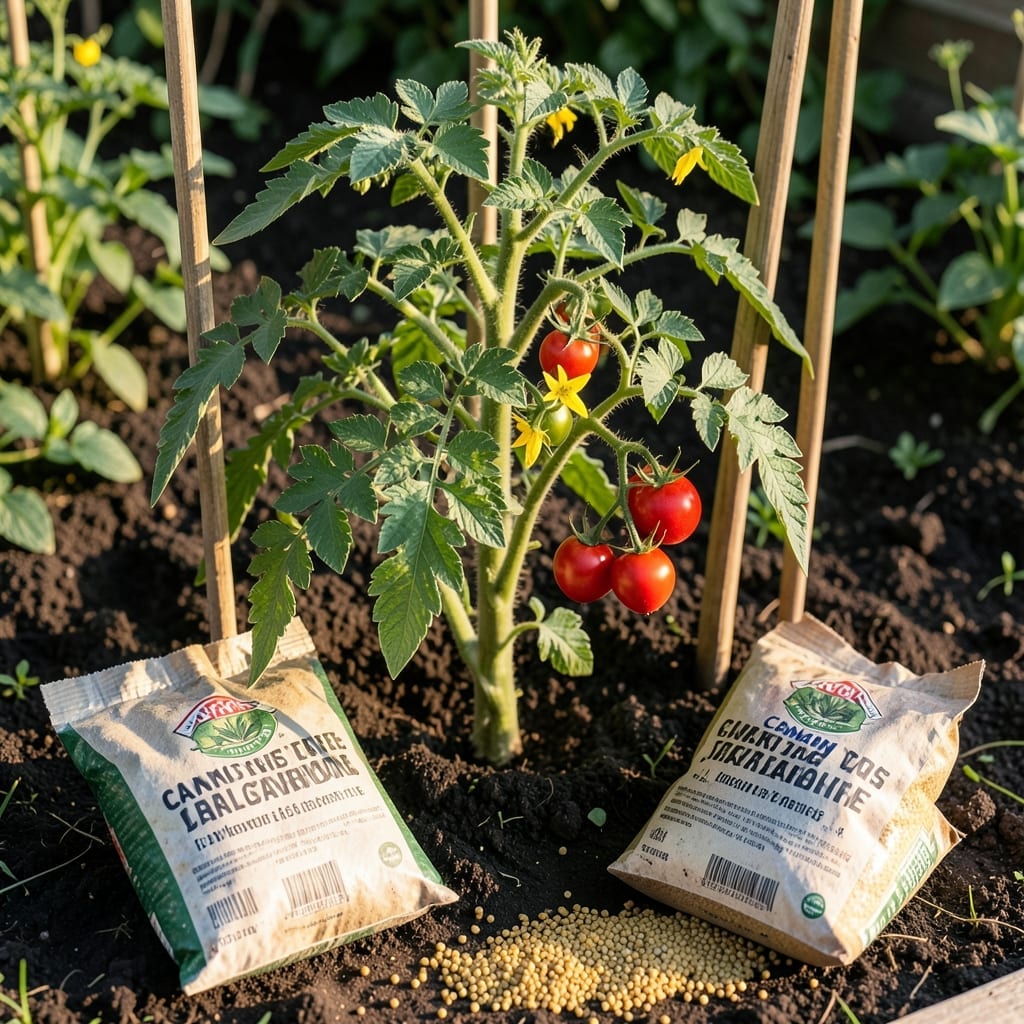
Tomatoes are heavy feeders, and getting the fertilizing schedule right can mean the difference between a mediocre harvest and a bumper crop of juicy, flavorful 🍅 fruits.
I’ve seen gardeners struggle with underfeeding or overdoing it—both can sabotage your plants. The key is finding that sweet spot where your Tomato plants get just what they need, when they need it.
Discover the simple, effective timeline that keeps your plants thriving from spring planting through the July – October harvest.
If you want juicy, robust tomatoes, nailing the fertilizing schedule is non-negotiable. I’ve learned that tomato plants are like teenagers—they’re always hungry, but you can’t just feed them anything, anytime.
Timing and nutrient balance are everything. Fertilize too little, and your plants will be weak and sparse. Overdo it, and you’ll end up with lush foliage but few fruits. The key is consistency and adjustment based on growth stages.
| Growth Stage | Frequency | NPK Focus |
|---|---|---|
| Seedlings | At planting | Low Nitrogen |
| Early Growth | Every 2-3 weeks | Balanced (5-10-10) |
| Flowering | Every 2 weeks | High Phosphorus |
| Fruiting | Every 1-2 weeks | High Potassium |
During the seedling stage, a light feed at planting gives your tomatoes the kickstart they need. I use a low-nitrogen fertilizer here to avoid excessive leaf growth at the expense of roots.
As plants enter early growth, switch to a balanced fertilizer like 5-10-10. Apply it every 2-3 weeks to support steady development. This is when your tomatoes start building the foundation for a strong harvest.
When flowering begins, it’s time to shift gears. I increase the frequency to every 2 weeks and switch to a high-phosphorus fertilizer. Phosphorus is critical for flower production and fruit set.
Once fruits appear, your tomatoes need potassium to develop sweet, firm fruits. I fertilize every 1-2 weeks with a potassium-rich formula. This stage is all about quality over quantity.
Always fertilize in the early morning to give plants time to absorb nutrients before the heat of the day. And remember, 1 tbsp per plant is a safe starting point—adjust based on your soil’s condition.
Watch for signs of over-fertilizing, like yellowing leaves or stunted growth. If you see these, cut back immediately. Under-fertilizing shows as slow growth or poor fruit development, which means it’s time to feed.
Finally, always test your soil before starting. A simple test kit can reveal deficiencies and help you tailor your approach. Healthy soil leads to healthy tomatoes, and that’s the ultimate goal. 🌱
Choosing the right fertilizer for your tomatoes can feel overwhelming. I’ve tested countless options and found that organic fertilizers like compost or fish emulsion work wonders for slow-release nutrients.
Synthetic fertilizers offer quick results but require careful NPK balancing. For tomatoes, I recommend a 5-10-10 ratio during early growth and switching to high-phosphorus formulas when flowering starts.
| Type | Pros | Cons |
|---|---|---|
| Organic | Improves soil health | Slower release |
| Synthetic | Fast acting | Can burn plants |
| Liquid | Easy to apply | Frequent use needed |
For application methods, I prefer granular fertilizers worked into the soil at planting. During the growing season, liquid fertilizers are my go-to for quick absorption, especially when I see yellowing leaves.
Foliar feeding with a diluted liquid fertilizer can give your tomatoes a quick nutrient boost. Just spray it on the leaves early in the morning to avoid sunburn damage.
Remember that over-application can lead to nutrient burn. I always follow the package instructions and adjust based on my soil test results. A little goes a long way with tomatoes.
Finally, consistency is key. Whether you choose organic or synthetic, stick to a regular schedule and monitor your plants’ response. Healthy tomatoes will reward you with a bountiful harvest from July to October. 🌿