
Beautiful Plants For Your Interior
Beautiful Plants For Your Interior
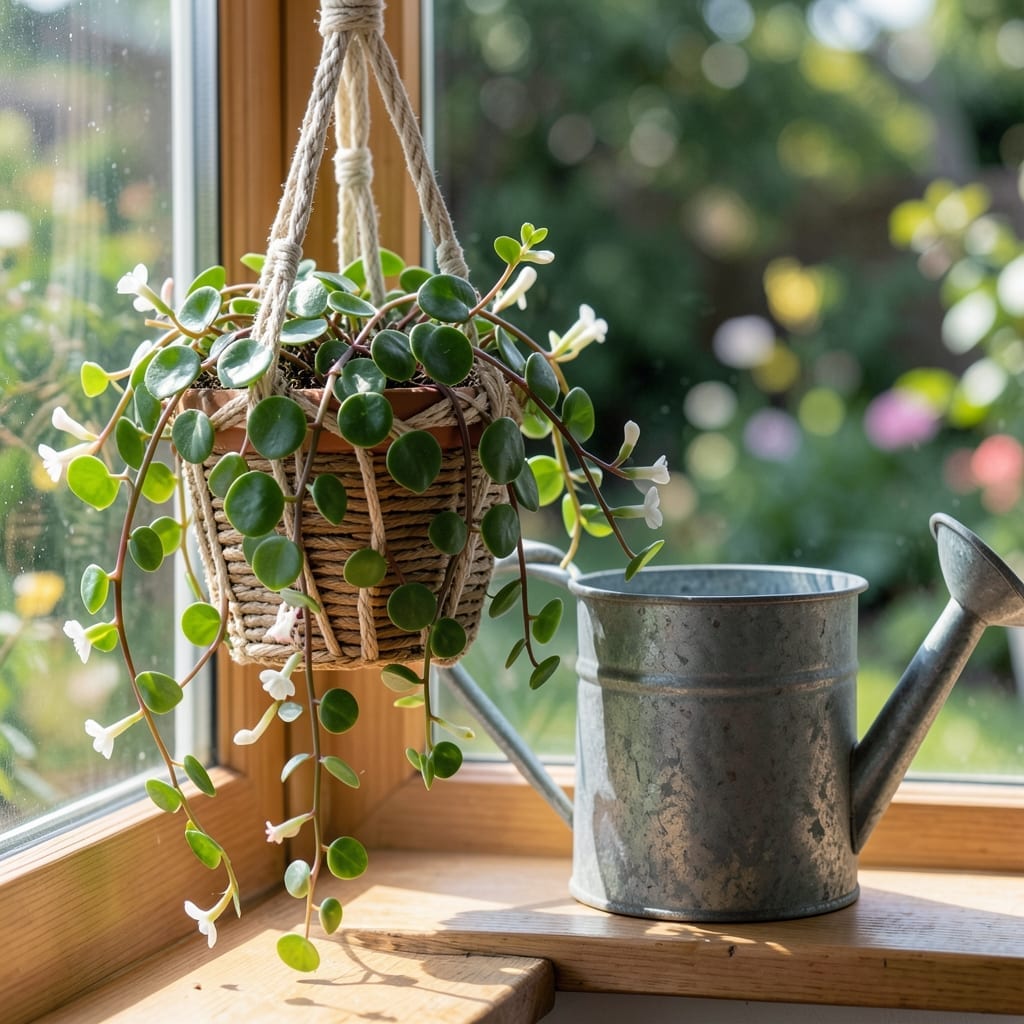
Hanging plants 🌿 add lush beauty to any space, but their elevated position makes watering a unique challenge. Get it wrong, and you’ll face wilted leaves or root rot.
Unlike ground plants, these need more frequent attention since they dry out faster. The key is understanding their specific needs based on season and environment.
Discover how to keep your hanging foliage thriving with the perfect watering schedule. Let me show you exactly how to make it happen.
Hanging plants dry out faster than ground plants due to air circulation and limited soil volume. This means they often need more frequent watering, but the exact schedule depends on several factors. 🌿
I’ve found that seasonal changes and humidity levels play a huge role in determining how often you should water. For example, a fern in summer may need water every 2-3 days, while a succulent in winter might only need it every 10-14 days. 🌱
| Season | Watering Frequency | Key Considerations |
|---|---|---|
| Spring | Every 4-5 days | Increasing temperatures, new growth |
| Summer | Every 2-3 days | High heat, rapid evaporation |
| Fall | Every 5-7 days | Cooler temps, slower growth |
| Winter | Every 10-14 days | Dormancy, low evaporation |
In humid climates, you can often stretch the interval between waterings. I recommend checking the soil moisture with your finger—if the top inch is dry, it’s time to water. This simple test works for most hanging plants. ✂️
Succulents and cacti in hanging baskets need less water than tropical plants. For these, I wait until the soil is completely dry before watering again. Overwatering is a common mistake that leads to root rot. 🌵
For ferns and pothos, which thrive in moisture, I water when the topsoil feels dry. These plants often need more frequent watering in warm weather. A self-watering system can be a game-changer for busy gardeners. 💧
The size of your hanging basket matters too. Smaller pots dry out faster, so they may need water every 2 days in summer. Larger containers retain moisture longer but can become waterlogged if not properly drained. 🪴
I always water my hanging plants in the early morning. This gives them time to absorb moisture before the heat of the day and reduces the risk of fungal growth. Avoid watering at night, as this can promote disease development. ☀️
If you notice yellowing leaves, you might be overwatering. Drooping or crispy leaves often signal underwatering. Adjust your schedule based on these visual cues and the specific needs of your plants. 🌿
Remember, these are general guidelines. Your plants’ needs may vary based on local climate, pot material, and plant type. Observing your plants and adjusting as needed is the best way to ensure they thrive. 🌱
Watering hanging plants can get messy fast, with water dripping everywhere. I’ve learned that using the right techniques makes all the difference in keeping things clean. 🌿
One of my favorite methods is bottom-watering. Simply fill a tray with water and let the plant soak up moisture through its drainage holes. This prevents spills and ensures even hydration. 💧
For delicate plants like ferns, I use a misting bottle to keep foliage hydrated without overwhelming the soil. This method also helps increase humidity levels around the plant. ✂️
A self-watering system is a game-changer for busy gardeners. These systems use a reservoir to provide consistent moisture without daily attention. I’ve seen great results with this for my pothos and spider plants. 🪴
Always water in the early morning to give plants time to absorb moisture before the heat of the day. This also reduces the risk of water spots on leaves or fungal growth. ☀️
If you’re dealing with hard-to-reach plants, a watering wand can be your best friend. These tools extend your reach and allow for precise watering without the mess. 🌱