
Beautiful Plants For Your Interior
Beautiful Plants For Your Interior
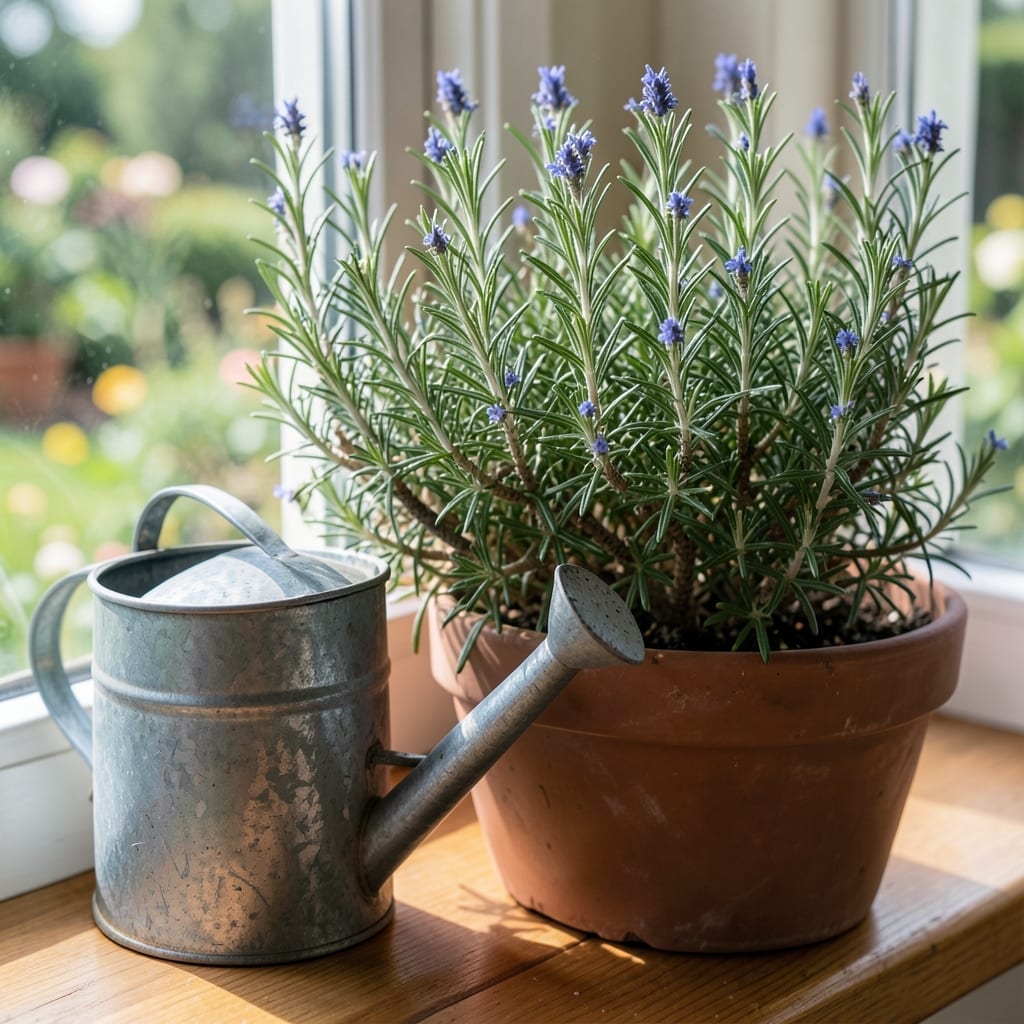
Overwatering is the #1 killer of 🌿 Rosemary, yet many gardeners still struggle with finding the perfect rhythm. This drought-tolerant herb thrives on neglect, but there’s a science to keeping it healthy.
I’ve seen too many well-meaning plant parents drown their rosemary with kindness. The truth is, this Mediterranean native prefers its soil on the drier side, making it easier to care for than you might think.
Whether you’re a beginner or have a brown thumb you’re trying to turn green, understanding the dry soil method can be a game-changer for your rosemary’s longevity and flavor.
Let me walk you through the simple but most important steps to get your watering schedule just right, so your rosemary can thrive with minimal effort.
I’ve learned that rosemary thrives when you let the soil dry out between waterings. This drought-tolerant herb prefers well-draining soil and can suffer if overwatered.
The dry soil method is my go-to approach. Simply stick your finger 1-2 inches into the soil—if it feels dry, it’s time to water.
For potted rosemary, the rules change slightly. Containers dry out faster, so I check the soil every 5-7 days in warm weather.
Clay soil holds moisture longer than sandy soil, so adjust accordingly. If your rosemary is in the ground, 10-14 days between waterings is usually safe.
I always water in the early morning to reduce evaporation. This gives the plant time to absorb moisture before the heat of the day.
Avoid wetting the foliage to prevent fungal issues. Direct the water at the base of the plant instead.
In hot climates, you might need to water more often. But remember, rosemary is tough—it’s better to underwater than overwater.
If the leaves turn yellow, you’re likely overwatering. Brown, crispy leaves? That’s a sign of underwatering.
I’ve found that mulching helps retain moisture without waterlogging. Use a light layer of organic mulch to keep roots cool.
Finally, trust your soil test. If the top 2 inches are dry, it’s time to water. This simple method keeps my rosemary thriving year-round
🌿
I’ve seen too many gardeners lose their rosemary plants by misreading the signs. Yellowing leaves often scream overwatering, while brown crispy tips whisper underwatering.
Your rosemary’s soil should feel dry 1-2 inches down before watering. If it’s soggy, you’re loving it to death. If it’s bone-dry, it’s begging for a drink.
The dry soil method works best: stick your finger in the dirt. If the top 2 inches feel dry, it’s time to water deeply.
Morning watering is ideal because it gives rosemary all day to dry out. Evening watering can invite fungal issues in this Mediterranean native.
If your plant’s in a container, check daily in summer. In-ground rosemary can often go 2 weeks without water once established.
Remember, this herb hates wet feet. When in doubt, wait one more day before watering. Your rosemary will thank you with fragrant growth 🌿