
Beautiful Plants For Your Interior
Beautiful Plants For Your Interior
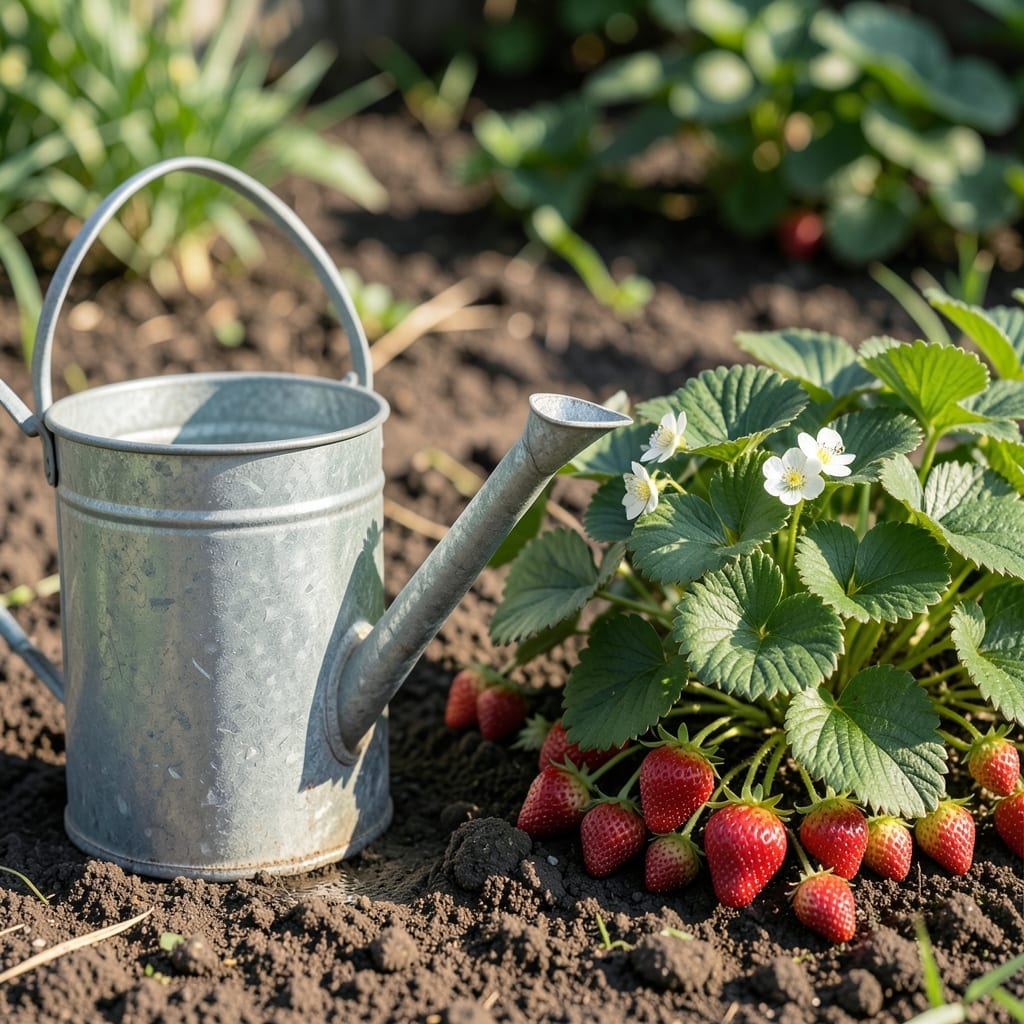
There’s nothing worse than watching your 🍓 Strawberry plants wilt or rot because of inconsistent watering. I’ve been there, and it’s frustrating to see all that potential go to waste.
Getting the watering schedule right is the key to plump, sweet berries. Too much or too little can make or break your harvest, especially during those critical spring months.
Let me walk you through the seasonal secrets that will keep your Strawberry plants thriving. The difference in your harvest will speak for itself.
Getting your strawberry watering schedule right means understanding each season’s unique demands. In spring planting, I water every 5-7 days to help roots establish without drowning them. The soil should stay consistently moist but never soggy.
As summer hits and fruits develop, I increase watering to every 2-3 days. The heat evapores moisture quickly, and berries need that extra hydration to stay plump and sweet. Just be sure to water at the base to avoid wet foliage.
| Season | Watering Frequency | Key Notes |
|---|---|---|
| Spring | Every 5-7 days | Establish roots, avoid waterlogging |
| Summer | Every 2-3 days | Prevent drought stress, fruit swelling |
| Fall | Every 7-10 days | Reduce as growth slows, prep for dormancy |
| Winter | Every 10-14 days | Dormant period, minimal needs |
In fall maintenance, I scale back to every 7-10 days. The plants are preparing for dormancy, and too much water can lead to root rot. This is also a great time to add mulch to retain moisture and insulate roots.
Winter is all about minimal watering—every 10-14 days is plenty. I only water if the soil is completely dry and the weather has been unseasonably warm. Remember, dormant plants need very little.
For container-grown strawberries, the rules change slightly. These dry out faster, so I water every 2-3 days in summer and every 4-5 days in spring and fall. Always check the top inch of soil for dryness before watering.
I always water in the morning to allow foliage to dry before evening. This reduces the risk of fungal diseases, which strawberries are prone to. A soaker hose or drip irrigation works best to deliver water directly to the roots.
If you’re in a hot climate, you might need to water daily during peak summer. Watch for wilting leaves or dry soil as signs your plants need more. Conversely, in cooler climates, you can often stretch intervals by a day or two.
For newly planted strawberries, I water immediately after planting and then every 2-3 days for the first week. This helps the roots settle in. After that, follow the seasonal schedule based on your climate.
Finally, always use your finger test: stick it an inch into the soil. If it feels dry, it’s time to water. This simple check prevents both overwatering and underwatering, keeping your strawberries happy and healthy. ☀️
Even experienced gardeners can sabotage their strawberry harvests with simple watering errors. I’ve learned the hard way that consistency matters more than you think. Overwatering is just as dangerous as underwatering for these delicate plants.
One of the biggest mistakes I see is wetting the foliage instead of the roots. This invites fungal diseases like powdery mildew, which can devastate your crop. Always aim for the soil level to keep leaves dry and healthy.
Another critical error is following an inconsistent schedule. Strawberries thrive on routine, so I recommend setting a regular watering calendar based on your climate and season. Skipping days or overcompensating can stress the plants.
Many gardeners also overlook drainage issues. If your soil doesn’t drain well, water pools around the roots, leading to rot and disease. I always ensure my strawberry beds have loose, well-draining soil amended with compost.
Don’t forget to adjust for container-grown strawberries. These dry out much faster than in-ground plants, so they need more frequent watering. I check my containers daily in summer to prevent them from drying out completely.
Finally, timing matters. Watering in the evening can leave foliage damp overnight, creating the perfect conditions for fungal growth. I always water in the early morning to give plants time to dry before nightfall. 🌿