
Beautiful Plants For Your Interior
Beautiful Plants For Your Interior
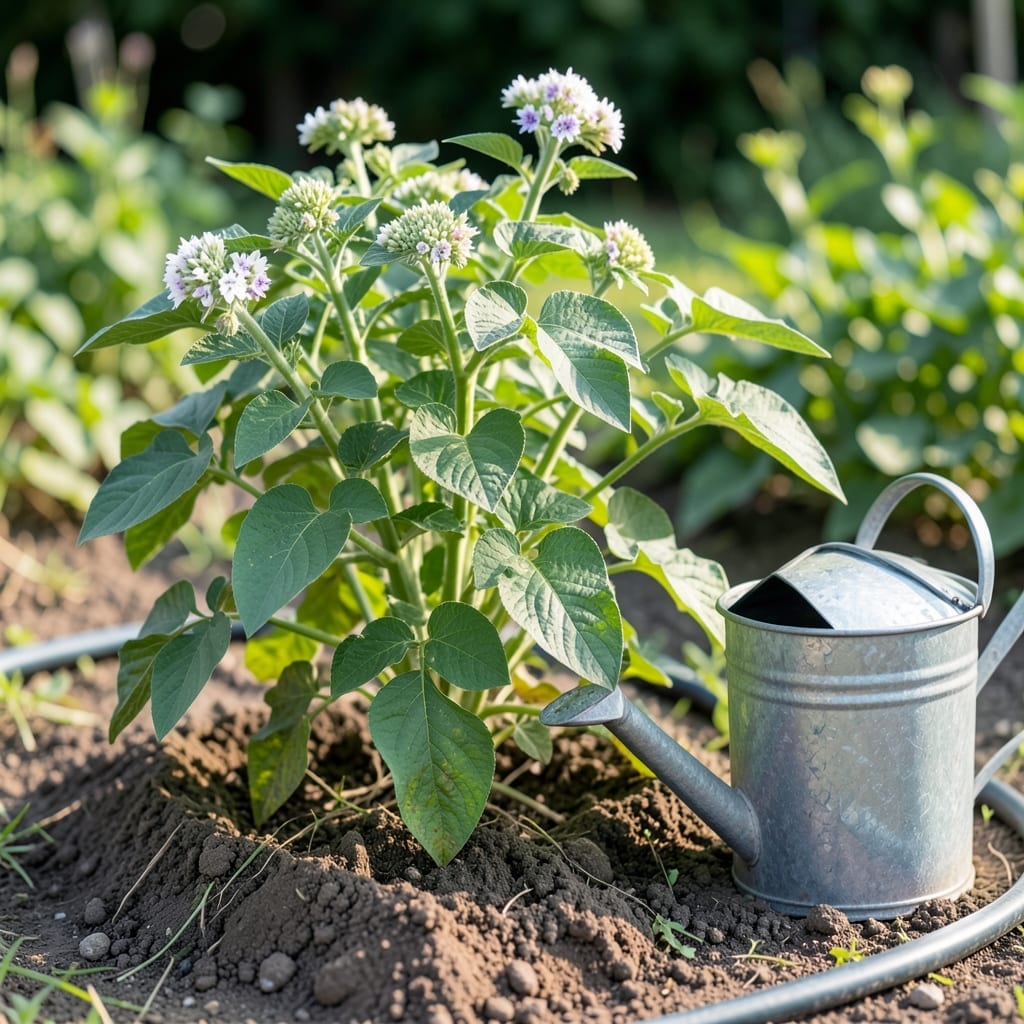
Watering potatoes correctly is the key to bumper crops of plump, flavorful tubers. Get it wrong, and you risk rot, scab, or stunted growth.
I’ve seen too many gardeners struggle with wilting plants or cracked 🥔 potatoes because of inconsistent moisture. The good news? A simple weekly schedule can make all the difference.
Whether you’re growing in Zone 6 or just starting out, understanding when and how much to water is crucial. It’s not just about frequency—it’s about timing and technique.
Discover the perfect balance to keep your potato plants thriving from spring planting through harvest. Let’s dig in.
Getting your potato watering schedule right means understanding each growth phase. I’ve found that sprouting potatoes need less water, while tuber formation demands consistent moisture. The key is balancing soil moisture without drowning the roots.
Early on, I water sparingly—just enough to keep the soil lightly moist. Once the plants flower, I increase the frequency to support tuber development. This approach prevents common issues like rot or scab.
| header-cell” style=”background-color:#f79845;color:#ffffff;font-weight:600″>Water Amount | body”> | ||
|---|---|---|---|
| body-cell”>0.5 inches | body-row”> | body-cell”>Every 7-10 days | body-cell”>Increase as foliage develops |
| body-cell”>1-2 inches | body-row”> | body-cell”>Every 5-7 days | body-cell”>Maintain even moisture |
| body-cell”>1 inch |
For container-grown potatoes, the rules change slightly. They dry out faster, so I water every 4-5 days in warm weather. But I always ensure the potting mix drains well to prevent soggy roots. I’ve learned that morning watering is best. It allows the foliage to dry during the day, reducing the risk of fungal diseases. Evening watering can leave plants damp overnight, which is a big no-no. If you’re growing in sandy soil, you’ll need to water more frequently. Sandy soil drains quickly, so I often add organic matter to improve water retention. Clay soil, on the other hand, holds moisture longer. Finally, I stop watering 2-3 weeks before harvest. This helps the skins toughen up, making the potatoes easier to store. It’s a small step, but it makes a big difference in post-harvest quality. With these tips, you’ll grow healthy, robust potatoes every time 🌱 Common Potato Watering Mistakes and How to Avoid ThemEven experienced gardeners can mess up potato watering. I’ve seen overwatering lead to rotten tubers and underwatering cause cracked skins. The key is consistent moisture without soggy soil. Inconsistent watering is another culprit. Potatoes need steady hydration, especially during tuber formation. Sudden dry spells or floods stress the plants. ⚠️ Watch Out! Yellowing leaves often signal overwatering. Wilting in heat may mean thirsty roots. Always check soil moisture 2 inches down before watering. Timing matters too. Watering in the evening can promote fungal diseases. I always aim for early morning to let foliage dry in the sun. Another mistake is ignoring soil type. Sandy soil drains fast and needs more frequent watering. Clay holds moisture, so I water less often but deeply. Don’t forget mulching. A 2-inch layer of straw helps retain moisture and keeps soil temps steady. It’s a game-changer for drought-prone areas. Finally, avoid wetting foliage. Use drip irrigation or a soaker hose to deliver water directly to the roots. This prevents disease spread and wasted water. ✂️ |