
Beautiful Plants For Your Interior
Beautiful Plants For Your Interior
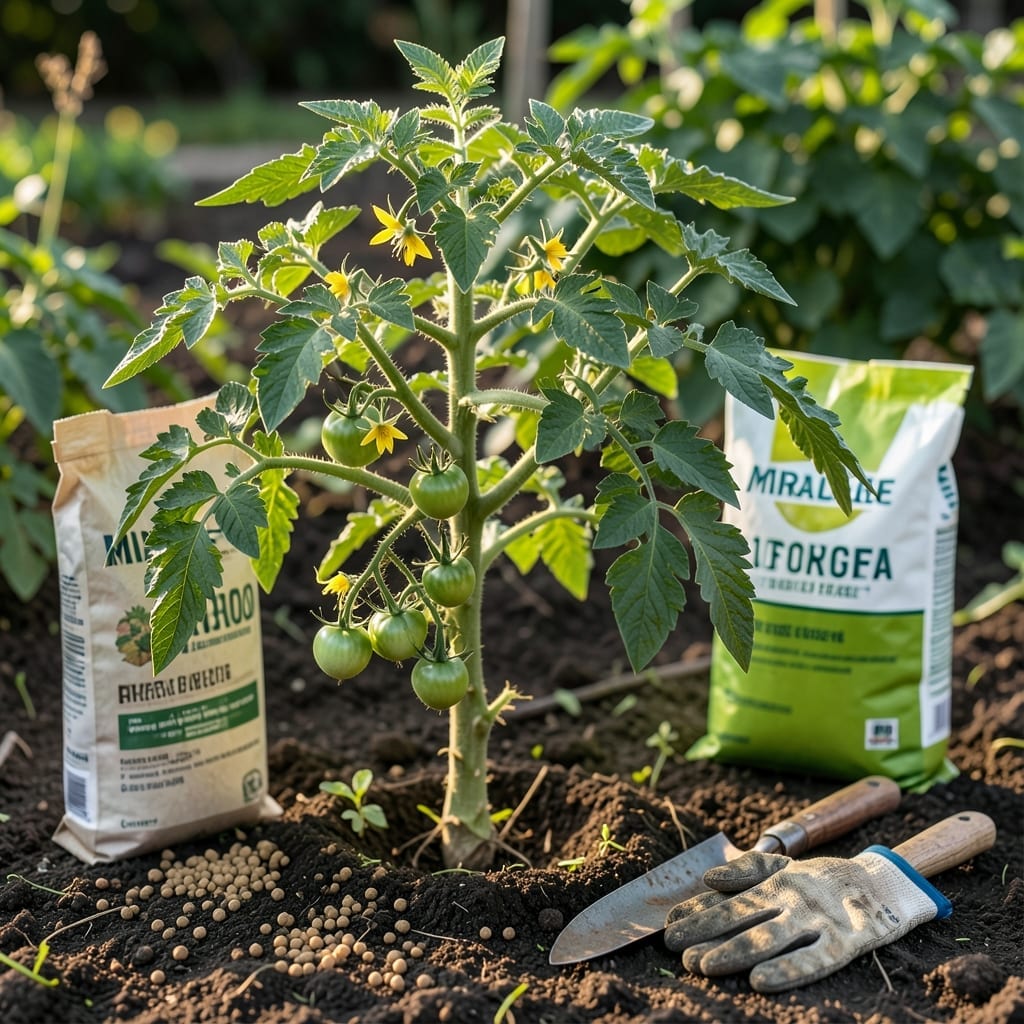
Miracle-Gro can transform your garden, but too much of this good thing can backfire. I’ve seen lush plants turn crispy overnight from overfeeding.
Finding that sweet spot between nourishment and excess is the key to vibrant growth. Your plants need consistent care, not a chemical overload.
Whether you’re growing flowers, veggies, or shrubs, timing matters just as much as the formula. Discover how to create the perfect feeding schedule.
Let me walk you through the simple but crucial steps to keep your garden thriving without the risk of fertilizer burn.


Getting the Miracle-Gro feeding schedule right means knowing your plant type and the current season. This popular fertilizer delivers essential nutrients but must be timed properly.
Vegetables and annual flowers typically thrive with every 7-14 days feedings during active growth. Meanwhile, trees and shrubs prefer monthly applications in spring and summer.
| Plant Type | Feeding Frequency | Best Season |
|---|---|---|
| Vegetables | Every 7-14 days | Spring-Summer |
| Annual Flowers | Every 7-14 days | Spring-Fall |
| Perennials | Every 14-21 days | Spring-Summer |
| Trees & Shrubs | Monthly | Spring-Early Fall |
For liquid Miracle-Gro, I recommend mixing 1 tbsp per gallon of water and applying it to moist soil to prevent root burn. This method works best for container plants and garden beds alike.
Granular formulas should be worked into the top 1-3 inches of soil and watered in thoroughly. These are ideal for lawns and large garden areas where liquid feeding isn’t practical.
During spring, I start feeding as soon as I see new growth appearing. This gives plants the nutrient boost they need for strong starts. In summer, I maintain the schedule but watch for heat stress signs.
As fall approaches, I reduce feeding frequency. Most plants begin slowing their growth and preparing for dormancy. Over-feeding now can lead to weak new growth that won’t survive winter.
Winter is a no-feed zone for most plants. Dormant plants don’t need the extra nutrients, and frozen soil prevents proper absorption. I only make exceptions for winter-blooming plants in mild climates.
Remember that less is often more with fertilizers. I’ve found that consistent, moderate feeding produces better results than occasional heavy applications. Your plants will thank you with vibrant growth and abundant blooms. 🌿
Always check the specific product instructions, as Miracle-Gro offers formulas tailored for different plant needs. The All-Purpose version works for most, but specialized blends exist for acid-loving plants, tomatoes, and more.
Finally, pair your feeding schedule with regular watering and soil testing for the best outcomes. Healthy soil is the foundation for thriving plants, and Miracle-Gro helps maintain that balance when used correctly. 🌱
Over-fertilizing with Miracle-Gro can do more harm than good. I’ve seen leaf burn and stunted growth when plants get too much. Salt buildup in soil is another red flag. 🌱
If your plant leaves turn brown or crispy, it’s often a sign of nutrient overload. Yellowing leaves or wilting can also indicate too much fertilizer. Always check the soil first. 🌿
⚠️ Warning: Over-Fertilization Risks
Too much Miracle-Gro can cause root damage, salt buildup, and leaf scorch. Flush soil with water to remove excess salts. 🪴
To fix over-fertilization, I recommend flushing the soil with water. This helps remove excess salts and nutrients. Do this over a few days for best results.
Another trick is to stop fertilizing for a few weeks. Let your plants recover naturally. Prune damaged leaves to redirect energy to healthy growth. ✂️
Prevent future issues by following label instructions. Use half-strength solutions for sensitive plants like ferns or seedlings. Consistency is key to healthy growth.
Remember, less is often more with fertilizers. Your plants will thank you with vibrant blooms and strong stems when fed just right. 🌻