
Beautiful Plants For Your Interior
Beautiful Plants For Your Interior
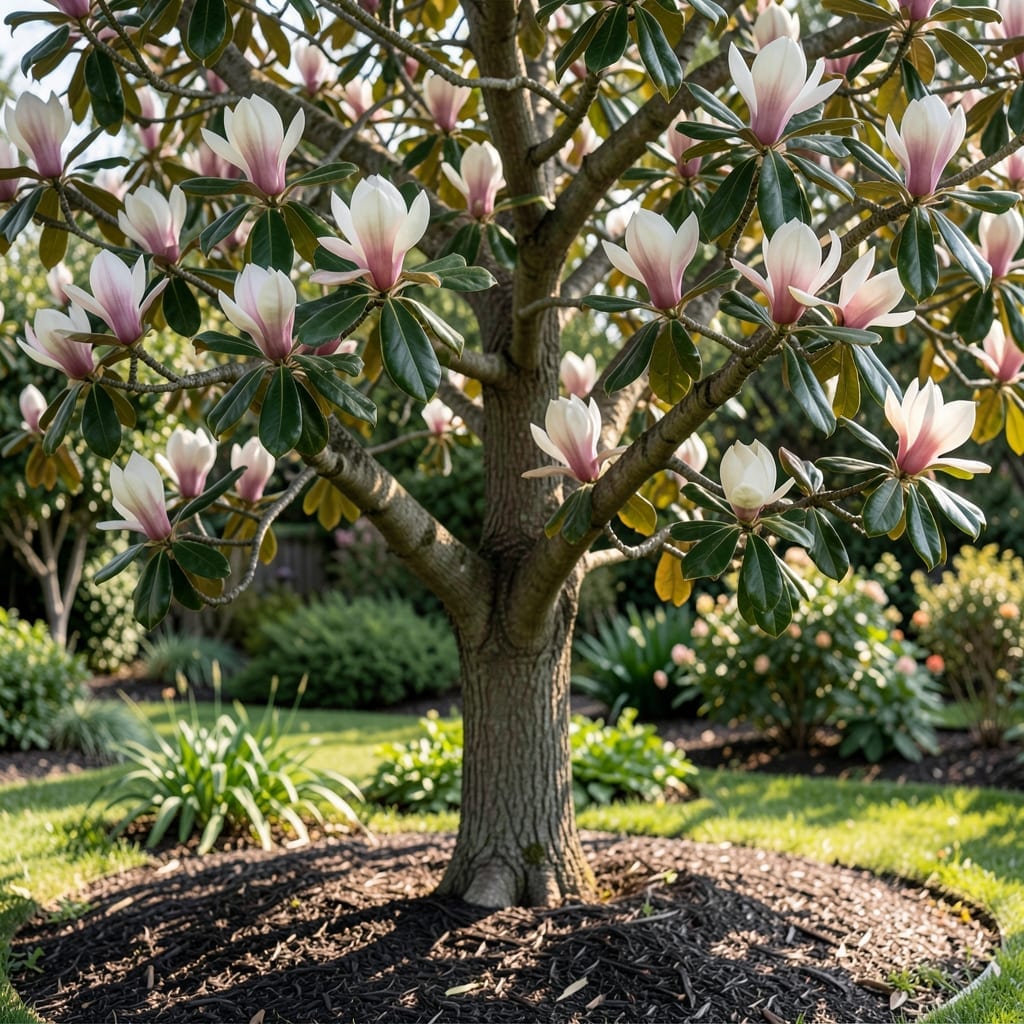
There’s something magical about watching a 🌳 Magnolia Tree burst into bloom, transforming your landscape with its breathtaking display. But if you’ve ever wondered why some years bring abundant flowers while others seem sparse, you’re not alone.
Many gardeners assume these trees follow a simple annual pattern, but the reality is far more interesting. The frequency of those iconic blooms depends on several surprising factors.
From the specific variety you’ve planted to your local climate conditions, multiple elements play a role in your tree’s flowering schedule. Understanding these can help you maximize those spectacular displays.
Let me walk you through what affects your Magnolia Tree’s bloom cycle and how you can encourage more consistent flowers year after year.
If you’re wondering how often a magnolia tree blooms, the answer depends on the type. Most magnolias follow a yearly blooming cycle, but timing and frequency vary by species and climate. 🌳
For example, saucer magnolias typically burst into bloom in early spring, while southern magnolias may produce flowers sporadically through summer months. Evergreen varieties, like Magnolia grandiflora, often bloom once per year but can surprise with secondary flushes in warm climates.
Regional climate plays a big role. In warmer USDA zones 7-9, magnolias may bloom earlier and more reliably than in cooler zones 4-6, where late frosts can damage buds. I’ve seen saucer magnolias in zone 5 skip years after harsh winters. ☀️
Dwarf varieties like ‘Little Gem’ often follow the same yearly cycle as their larger counterparts but may produce more frequent blooms due to their compact size. These are great for gardeners with limited space who still want consistent flowers.
For early bloomers like saucer magnolias, flower buds form in late summer for the next year’s display. This means proper care during the growing season directly impacts the next bloom cycle. Prune these trees right after flowering to avoid cutting off next year’s buds.
Southern magnolias are the exception to the once-a-year rule. In ideal conditions, they can produce sparse summer blooms alongside their main spring flush. These lemon-scented flowers are a bonus for gardeners in humid climates. 🌿
If your magnolia isn’t blooming yearly, it might be too young. Most magnolias need 3-5 years to mature enough for regular flowering. Patience is key—once established, they’ll reward you with decades of blooms with minimal effort.
For container-grown magnolias, bloom frequency can be less predictable. Ensure they receive full sun and consistent moisture to encourage annual flowering. I’ve found that dwarf varieties adapt best to pots and still bloom reliably each year.
Remember that stress factors like drought or poor soil can delay blooming. A well-maintained magnolia in its ideal conditions will almost always bloom once per year, with some varieties offering bonus flowers in the right environment.
I’ve found that magnolia bloom frequency depends on several key factors. While most varieties bloom once yearly, some may produce a second flush under ideal conditions. Climate plays a huge role in this cycle.
The tree’s age also matters—a young magnolia may take 3-5 years to mature enough for its first blooms. Even then, inconsistent flowering can occur if the tree isn’t fully established.
In my experience, pruning at the wrong time is a common mistake. Magnolias set their flower buds in summer for the next spring, so pruning in late summer or fall can cut off potential blooms. Always prune right after flowering.
Soil conditions can’t be overlooked either. Magnolias thrive in slightly acidic soil with a pH between 5.0 and 6.5. If your soil is too alkaline, the tree may struggle to bloom annually, even if it’s otherwise healthy.
Watering is another critical factor. While magnolias are drought-tolerant once established, inconsistent moisture—especially during bud formation—can lead to fewer or no blooms. I recommend a deep weekly soak during dry spells.
Finally, location impacts bloom frequency. Trees planted in full sun to partial shade with protection from strong winds are more likely to bloom reliably. If your magnolia isn’t flowering, check these factors first.
With the right care, your magnolia can reward you with spectacular blooms year after year 🌳