
Beautiful Plants For Your Interior
Beautiful Plants For Your Interior
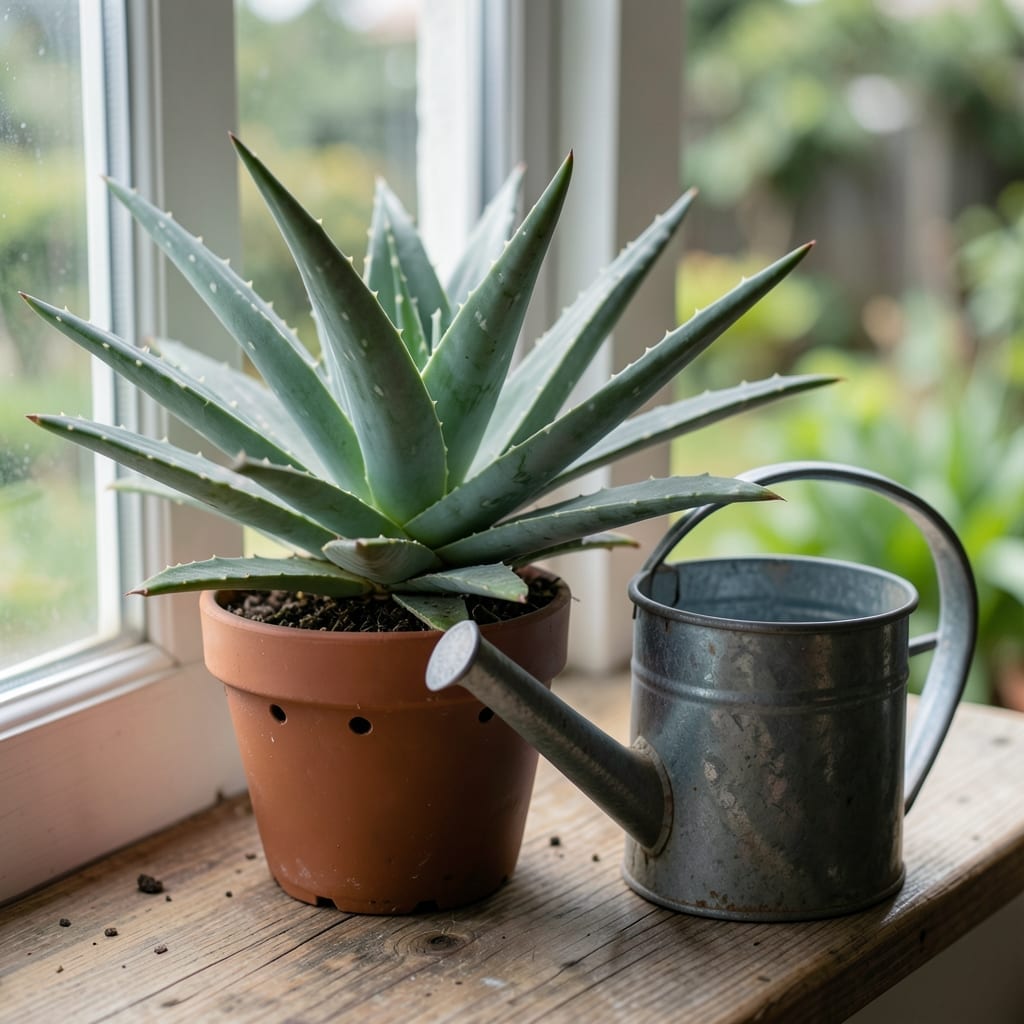
Overwatering is the number one killer of aloe plants, yet many gardeners still struggle with the basics. I’ve seen too many well-meaning plant parents drown their 🌱 Aloe with love, not realizing less is more.
The truth is, this hardy plant thrives on neglect. With the right approach, you’ll keep it healthy with minimal effort and avoid the common pitfalls that lead to root rot.
Let me walk you through the simple rules for watering Aloe so you can enjoy its beauty without the guesswork.
I’ve learned that aloe plants follow a simple rule: water less, not more. These succulents store moisture in their thick leaves, making them incredibly drought-tolerant. The key is understanding your environment.
In my experience, seasonal changes and pot size dramatically affect watering needs. A small pot in summer heat may need water every 2 weeks, while a large one in winter can go a month.
| Factor | Watering Frequency |
|---|---|
| Spring | Every 2 weeks |
| Summer | Every 3 weeks |
| Fall/Winter | Every 4 weeks |
| Small Pots | Every 2-3 weeks |
| Large Pots/Ground | Every 3-4 weeks |
Always check the soil moisture before watering. I stick my finger 2 inches deep into the soil—if it’s dry, it’s time to water. If it’s damp, wait a few more days.
Drainage is non-negotiable. Aloe roots rot quickly in soggy soil, so ensure your pot has drainage holes and use a well-draining cactus mix. Terracotta pots help wick away excess moisture.
In hot climates, your aloe might need more frequent watering, but don’t overcompensate. Even in 100°F heat, I’ve found they do better with less water than most expect.
For indoor aloe, humidity levels matter. If your home is dry, you might water slightly more often. But remember, these plants prefer arid conditions, so err on the side of caution.
I’ve seen many gardeners make the mistake of watering on a schedule without checking the plant’s needs. Aloe doesn’t care about your calendar—it cares about soil dryness and light exposure.
If you’re unsure, underwatering is always safer than overwatering. Aloe can bounce back from drought, but root rot from too much water is often fatal. When in doubt, wait another day.
Finally, use room-temperature water and water at the base of the plant, not the leaves. This prevents fungal issues and ensures the roots get the moisture they need. 🌱
I’ve found that aloe plants give clear signals when they’re thirsty or drowning. The key is learning to read these visual cues before it’s too late. These indicators help you adjust your care routine effectively.
Both underwatering and overwatering show distinct symptoms, but overwatering is far more dangerous. I’ll help you spot the differences so you can take quick action.
When I see drooping leaves, I check the soil immediately. If it’s bone dry 2 inches down, it’s time to water. But if the soil feels damp, I hold off and investigate further.
Yellow leaves are the most alarming sign of overwatering. If you spot this, stop watering immediately and check the roots. Healthy roots should be white and firm, not brown and mushy.
For brown, crispy tips, I increase water slightly but ensure the pot has proper drainage. Terracotta pots help prevent waterlogging by allowing the soil to dry faster.
Remember, aloe plants are survivors. They’ll bounce back from underwatering much faster than from overwatering. When in doubt, wait and observe for a few more days. 🌿