
Beautiful Plants For Your Interior
Beautiful Plants For Your Interior
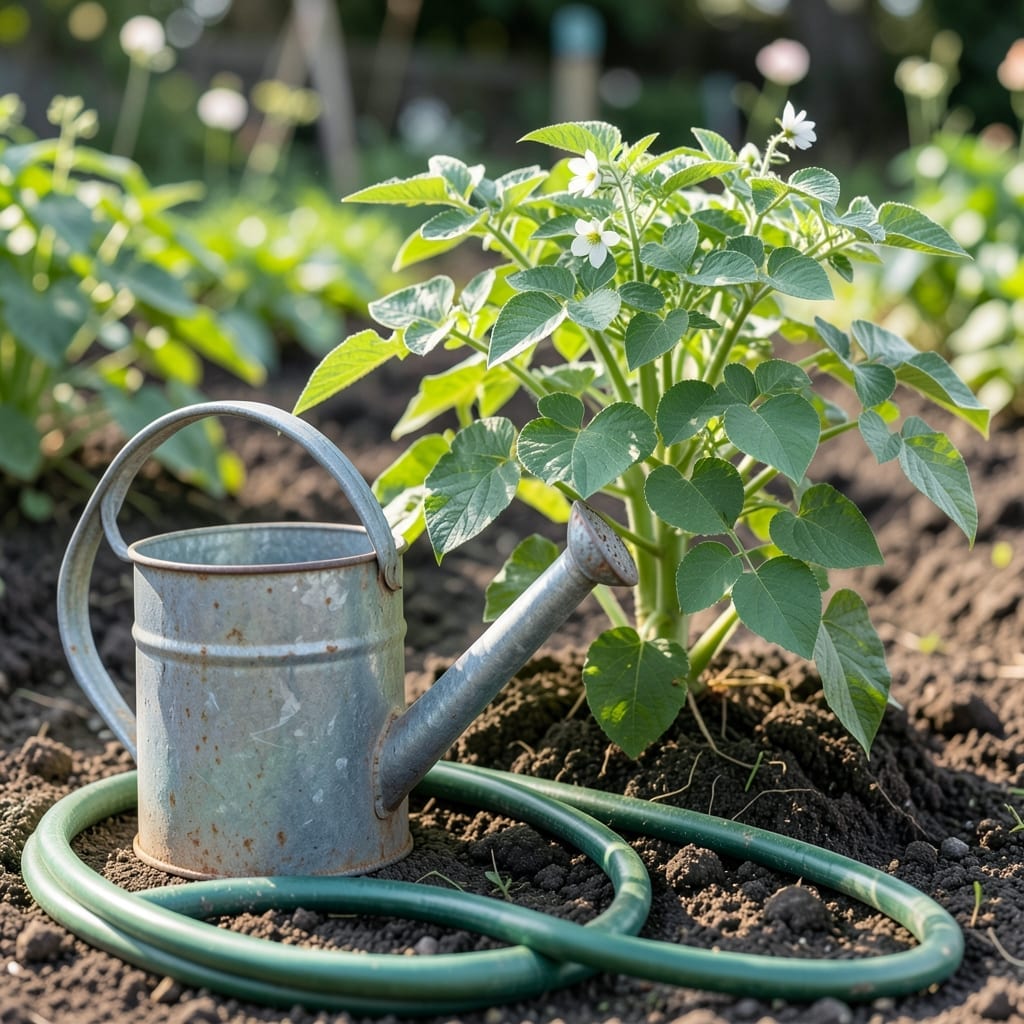
Watering 🥔 potatoes correctly can make or break your harvest. Too much water and you risk rot; too little, and your Potato plants will struggle to develop those perfect tubers we all love.
I learned the hard way that timing is everything when it comes to growing these underground gems. The right schedule ensures healthy growth without the guesswork.
What if I told you there’s a simple weekly routine that keeps your Potato plants thriving? It’s easier than you think, and I’m here to walk you through it.
Discover how to adjust your approach for each growth stage, from planting to harvest, so you can enjoy a bountiful crop of Potato this season.
Getting your potato watering schedule right is crucial for healthy tuber development. Each growth stage has unique moisture needs, from planting to harvest.
I’ve found that consistent moisture prevents cracked tubers and disease risks. Let’s break it down by phase to ensure optimal growth.
| Growth Stage | Watering Frequency | Amount per Week |
|---|---|---|
| Planting | Every 5-7 days | 1 inch |
| Vegetative Growth | Every 4-5 days | 1-1.5 inches |
| Flowering | Every 3-4 days | 1.5-2 inches |
| Tuber Formation | Every 5-7 days | 1 inch |
| Harvest | Stop watering | – |
During planting, I recommend light watering to encourage root establishment. This prevents rot while ensuring the soil stays evenly moist.
In the vegetative growth stage, your potato plants need more frequent watering. Aim for 1-1.5 inches weekly to support lush foliage.
Once flowering begins, increase watering to 1.5-2 inches per week. This is when tubers start forming, and consistent moisture is key.
As tuber formation progresses, reduce watering slightly to avoid splitting. Keep the soil moist but not soggy.
About 2 weeks before harvest, I stop watering completely. This helps toughen the skin for better storage life.
If you’re in a hot climate, you may need to water daily during peak summer. Always check soil moisture with your finger—if it’s dry 1 inch down, it’s time to water.
For sandy soils, water more frequently but in smaller amounts. Clay soils retain moisture longer, so adjust accordingly.
Using mulch helps retain soil moisture and keeps roots cool. I always apply a 2-inch layer of straw or compost around my plants.
I always check my potato plants for wilting leaves in the afternoon—this often signals underwatering and a need for a deep soak. Dry, cracked soil around the base is another red flag that your plants are thirsty.
On the flip side, yellowing leaves or mushy stems can mean you’re overdoing it with water. Root rot is a silent killer, so I recommend checking the soil 2 inches down before watering again. 🌱
I’ve found that early morning is the best time to check for these signs. The plants are fresh from the night, and any stress from water imbalance will be visible by midday. This habit helps me adjust my watering schedule proactively.
Another trick I use is the finger test—stick your finger 2-3 inches into the soil. If it feels bone dry, it’s time to water. If it’s soggy, hold off for a day or two.
Remember, consistent moisture is key for tuber development. Too much fluctuation can cause cracked or knobby potatoes, which are harder to store and cook. Keep an eye on the weather forecast too—adjust your routine after heavy rains.
Finally, I recommend mulching around your potato plants with straw or leaves. This helps retain moisture and keeps the soil temperature steady, which is especially important during hot summer days. 🌿