
Beautiful Plants For Your Interior
Beautiful Plants For Your Interior
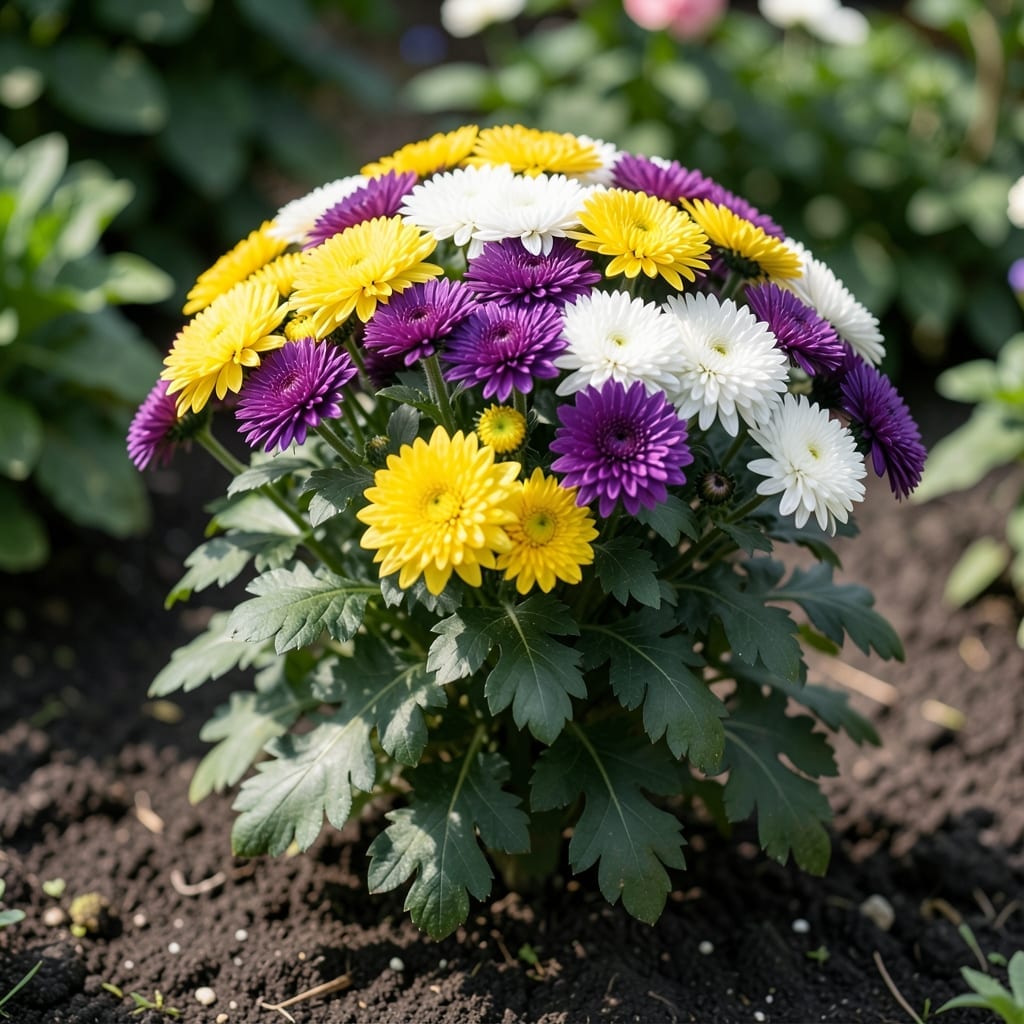
There’s something magical about watching 🌼 Chrysanthemum burst into color, turning a garden into a fall masterpiece. Yet many gardeners find themselves asking the same question year after year.
If you’ve ever planted mums and wondered why they didn’t return the next season, you’re not alone. The blooming pattern of these vibrant flowers can be a mystery without the right knowledge.
I’ve learned that understanding their natural cycle is the key to enjoying their beauty reliably. With a few simple insights, you can time your care perfectly.
Discover how to work with nature’s rhythm so your Chrysanthemum thrive and reward you with stunning blooms when you expect them.
If you’re wondering how often mums bloom, the answer depends on the variety. Garden mums are perennials that can rebloom annually with proper care, while florist mums are typically treated as annuals.
🌼Perennial mums follow a seasonal cycle, blooming in fall and returning each year if they survive winter. Annual mums, however, bloom once and won’t return next season.
| Mum Type | Blooming Frequency | Climate Suitability | Winter Survival |
|---|---|---|---|
| Garden Mums | Annually (rebloom each fall) | USDA Zones 5-9 | Yes, with mulch protection |
| Florist Mums | Once (single season) | All zones (treated as annuals) | No, not cold-hardy |
Garden mums are the best choice for gardeners who want repeated blooms. These hardy perennials establish deep roots and return yearly if planted in well-draining soil with full sun exposure.
In colder climates, mulching around the base in late fall helps protect the roots from freezing. I’ve found that a 2-3 inch layer of straw or leaves works wonders for overwintering success.
Florist mums, sold in pots at grocery stores, are bred for single-season color. They’re perfect for instant fall color but won’t survive winter in most regions. Think of them as temporary decor rather than long-term investments.
The blooming trigger for mums is shorter daylight hours. As days get shorter in late summer and early fall, the plants begin to form buds. This is why you’ll see them burst into color just as summer fades.
☀️For earlier blooms, some gardeners use blackout cloths to simulate shorter days. This technique can coax flowers to appear 4-6 weeks earlier than nature intended, which is great for extending the season.
Remember that pruning plays a key role in bloom frequency. I always pinch back my garden mums in early summer to encourage bushier growth and more flowers. Stop pinching by mid-July to allow buds to form.
If your mums aren’t blooming as expected, check their light exposure. They need at least 6 hours of sun daily. Too much shade can delay or prevent flowering entirely.
🌻If you want your garden mums to bloom more than once, timing and care are everything. I’ve found that with the right approach, these perennial beauties can reward you with multiple flushes of color. ✂️
Deadheading spent blooms is the first step. Remove faded flowers regularly to redirect the plant’s energy toward new growth. This simple task can extend blooming by weeks. 🌼
I always pinch back my mums in early summer. This means cutting back the top 1-2 inches of growth to promote branching. More branches mean more flower buds later in the season. 🌿
Light exposure is critical. Mums are short-day plants, meaning they bloom when days get shorter. If they’re not getting enough direct sunlight, they may struggle to rebloom. A south-facing spot works best.
Don’t overlook soil health. Amend your garden bed with compost before planting. Rich, well-draining soil helps mums establish strong roots, which supports repeat blooming cycles. 🌱
Finally, be patient. Even with perfect care, some varieties may only bloom once per season. But with these tips, you’ll maximize their potential and enjoy longer-lasting color in your garden.