
Beautiful Plants For Your Interior
Beautiful Plants For Your Interior
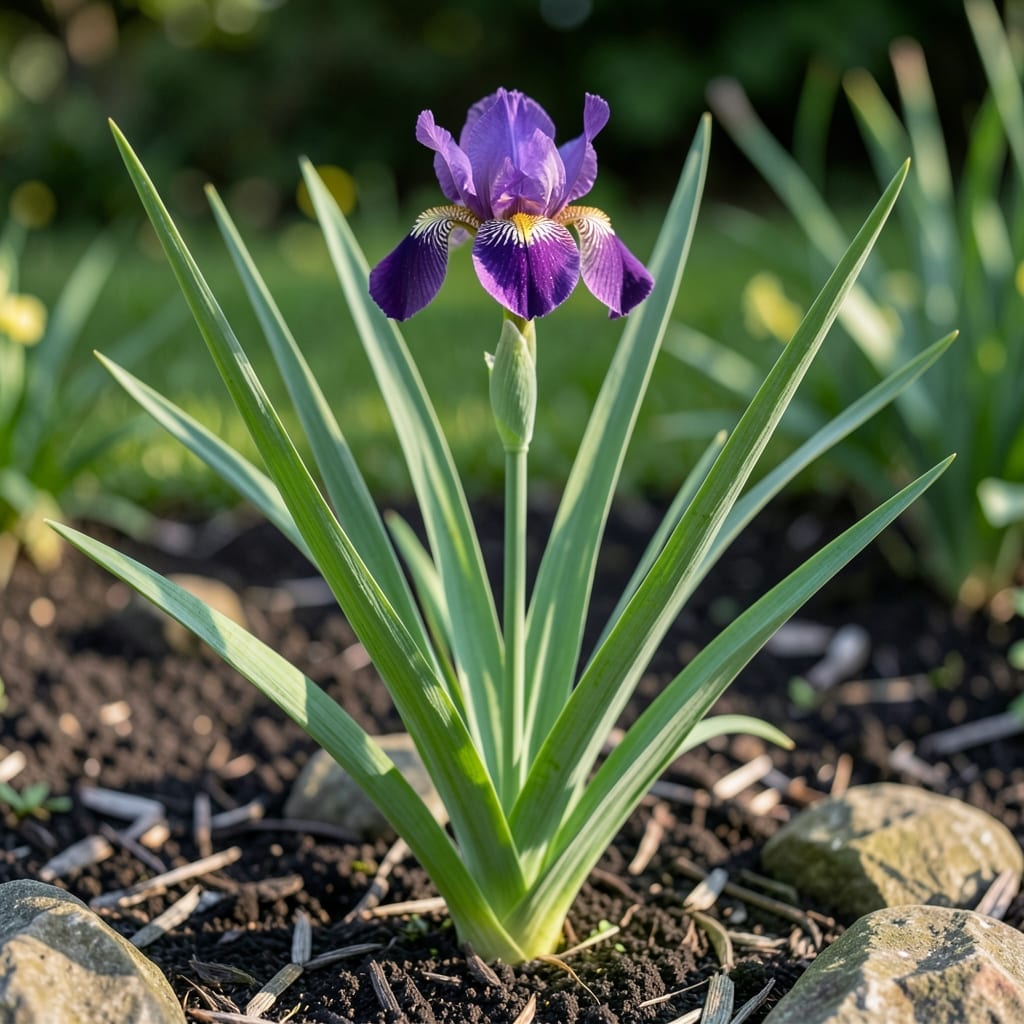
There’s something magical about watching 🌸 Iris blooms transform your garden into a vibrant canvas. But if you’ve ever wondered why they don’t stay in flower all season, you’re not alone. These perennials have a rhythm all their own.
In zones 3-9, most Iris varieties follow a predictable pattern that savvy gardeners can work with. The key is understanding their natural cycle and what makes it tick. Trust me, it’s simpler than you think.
I’ve learned that timing and care make all the difference in how often these beauties show off their colors. With the right approach, you can enjoy their stunning display year after year without guesswork.
Let me share the most important factors that determine your Iris blooming schedule and how to keep them thriving. You’ll be amazed at how a few adjustments can transform your garden’s timeline.
If you’re wondering how often irises bloom, the answer depends on the variety. Most bearded irises produce their stunning flowers once per year, typically in late spring to early summer. This is their natural cycle.
However, some types like re-blooming irises can surprise you with a second flush of flowers in late summer or fall. These are perfect for gardeners who crave extended color in their landscape.
| Iris Type | Bloom Frequency | Typical Season |
|---|---|---|
| Bearded Iris | Once yearly | Late spring |
| Siberian Iris | Once yearly | Early summer |
| Japanese Iris | Once yearly | Mid summer |
| Reblooming Iris | Twice yearly | Spring & fall |
| Dutch Iris | Once yearly | Mid spring |
The USDA zones where you garden also affect blooming. In warmer climates (zones 7-9), irises may bloom earlier than in cooler regions (zones 3-5). I’ve seen my bearded irises open in April in zone 7.
Siberian irises typically bloom about 2-3 weeks after bearded types. Their grass-like foliage and delicate flowers make them a favorite for moist garden areas. They’re less fussy about soil conditions.
For Japanese irises, expect blooms in June or July. These love acidic soil and do best near ponds or streams. Their flat, wide petals create a unique look in water gardens.
Reblooming irises are the overachievers of the family. With proper care, they’ll gift you with two bloom cycles. The first comes in spring, and the second appears in late summer or fall, extending your garden’s color show.
Even Dutch irises, often grown from bulbs, follow the once-a-year pattern. They’re popular for cut flower arrangements and typically bloom in mid to late spring. Their slender stems bear multiple flowers.
To maximize blooms, I recommend planting different varieties together. This creates a succession of color from early spring through early summer. It’s like having a living calendar in your garden.
Remember, while most irises bloom once per season, their exact timing varies by type and location. Observing your plants year to year will help you predict their bloom schedule more accurately ☀️
I’ve found that irises bloom once yearly for most varieties, but you can maximize their display with proper care. The key is understanding their growing conditions and seasonal needs. Bearded irises typically bloom in late spring to early summer.
To get the best blooms, start with healthy rhizomes and plant them in well-draining soil. They thrive in full sun but tolerate partial shade. Overcrowding can reduce blooming, so give them space.
I always deadhead my irises immediately after blooms fade. This prevents seed formation and redirects energy to rhizome growth. It’s a simple step that boosts next year’s flowers significantly.
Division timing is crucial—do it in late summer after blooming. This gives new plants time to establish before winter. I use a sharp knife to separate healthy rhizomes with fans of leaves.
For soil conditions, irises prefer slightly acidic to neutral pH. If your soil is heavy, amend with compost or sand for better drainage. Avoid over-watering, as soggy soil causes rot.
Finally, winter care matters. In colder zones, I add a light mulch after the first frost to protect rhizomes. This ensures they survive winter and return stronger next spring. ✂️