
Beautiful Plants For Your Interior
Beautiful Plants For Your Interior
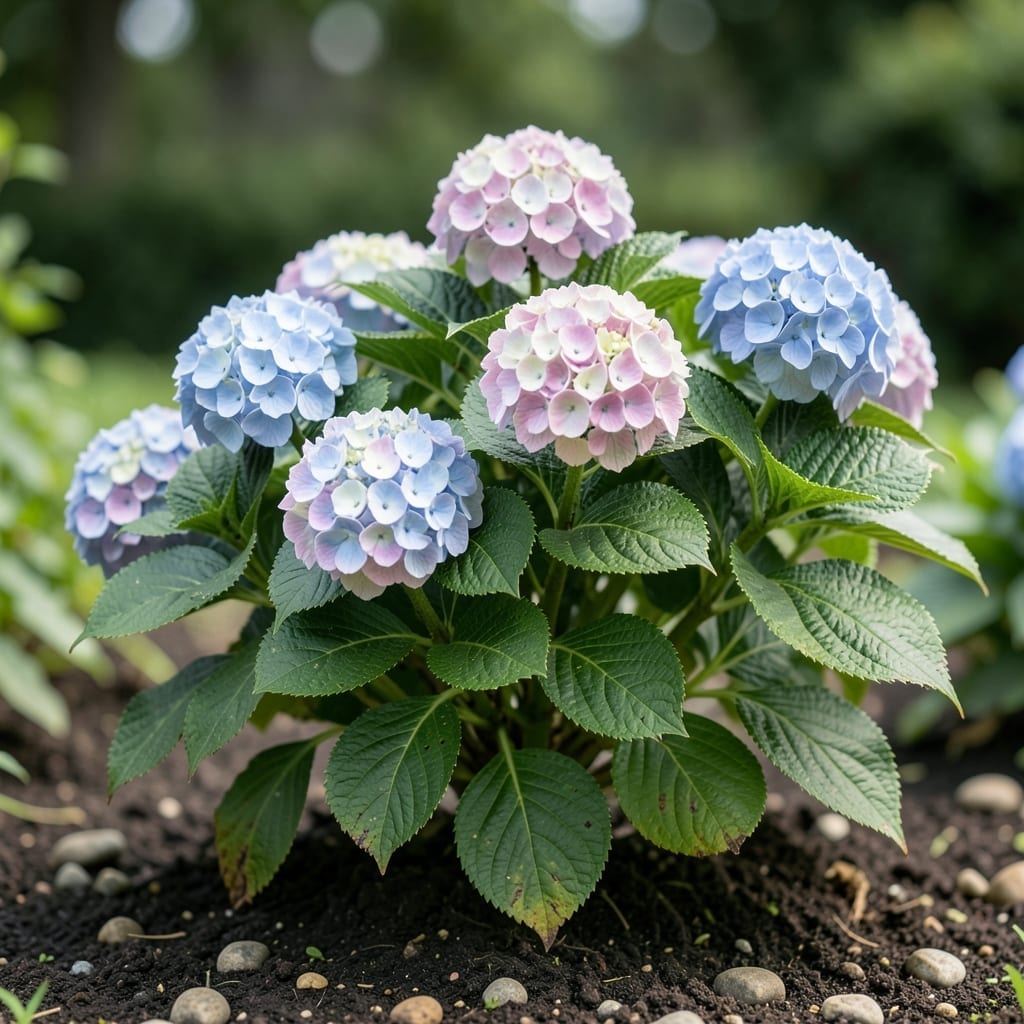
There’s nothing quite like watching 🌸 Hydrangea shrubs burst into color, transforming gardens into vibrant displays. Yet many gardeners wonder why their plants don’t bloom as often as expected.
These beautiful shrubs follow unique seasonal patterns that can be confusing. Some varieties flower annually, while others take their time, depending on care and climate conditions.
I’ll help you understand what influences their blooming frequency in zone 6. This knowledge is the key to enjoying those stunning flowers from June to September.
Discover how to create the ideal environment for your Hydrangeas to thrive and bloom consistently. Let’s make your garden the envy of the neighborhood.
If you’ve ever wondered how often hydrangeas flower, the answer depends on the variety. Most hydrangeas are perennial shrubs, meaning they return and bloom year after year under the right conditions. 🌸
Unlike annuals that flower once and die, hydrangeas typically produce one main flush of blooms per growing season. However, some varieties like panicle hydrangeas can offer extended blooming into fall. 🌿
| Variety | Blooming Frequency | Key Notes |
|---|---|---|
| Bigleaf | Once per year | Blooms on old wood |
| Panicle | Summer to fall | Blooms on new wood |
| Oakleaf | Once per year | Blooms on old wood |
| Smooth | Summer | Blooms on new wood |
I’ve found that bigleaf hydrangeas usually bloom once per season, typically from late spring to summer. Their flowers form on old wood, so pruning at the wrong time can cost you a year of blooms.
Panicle hydrangeas, like the popular Limelight variety, are more forgiving. They flower on new wood and can produce blooms from early summer through fall, giving you months of color.
Oakleaf hydrangeas follow a similar pattern to bigleaf, blooming once per year on old wood. Their stunning white cone-shaped flowers appear in early summer and often turn pinkish as they age.
For gardeners wanting longer blooming periods, I recommend smooth hydrangeas. Varieties like Annabelle bloom on new wood and can flower from early summer until frost if conditions are ideal.
Remember, climate plays a huge role in blooming frequency. In cooler zones, your hydrangeas might bloom later. Warmer climates can sometimes trigger a second flush of flowers, especially in rebound bloomers.
I’ve noticed that consistent care is key to regular flowering. Ensure your hydrangeas get proper sunlight, well-draining soil, and adequate moisture to support their blooming cycle. ✂️
Lastly, pruning timing can’t be overstated. For varieties that bloom on old wood, prune right after flowering. For new wood bloomers, late winter pruning works best to encourage more frequent blooms. 🌱
To understand how often hydrangeas flower, I first look at the growing conditions. These shrubs typically bloom annually, but the frequency and abundance depend on several key factors.
From bigleaf to panicle varieties, each type has unique blooming habits. Some flower on old wood, while others bloom on new growth, which directly impacts flowering frequency.
I’ve found that pruning at the wrong time is the most common mistake that prevents hydrangeas from flowering. If you prune old wood varieties in spring, you’ll cut off the flower buds forming for that year.
Sunlight plays a huge role too. While hydrangeas love partial shade, too little light results in fewer blooms. Conversely, too much harsh sun can scorch the leaves and stress the plant.
The soil pH affects both bloom color and flowering frequency. In acidic soil, you’ll get more vibrant blooms, while alkaline soil may reduce flowering and shift colors.
Finally, consistent watering and proper feeding keep your hydrangeas healthy and encourage regular blooming. A deep soak weekly and balanced fertilizer can make a noticeable difference in bloom abundance. ✂️