
Beautiful Plants For Your Interior
Beautiful Plants For Your Interior
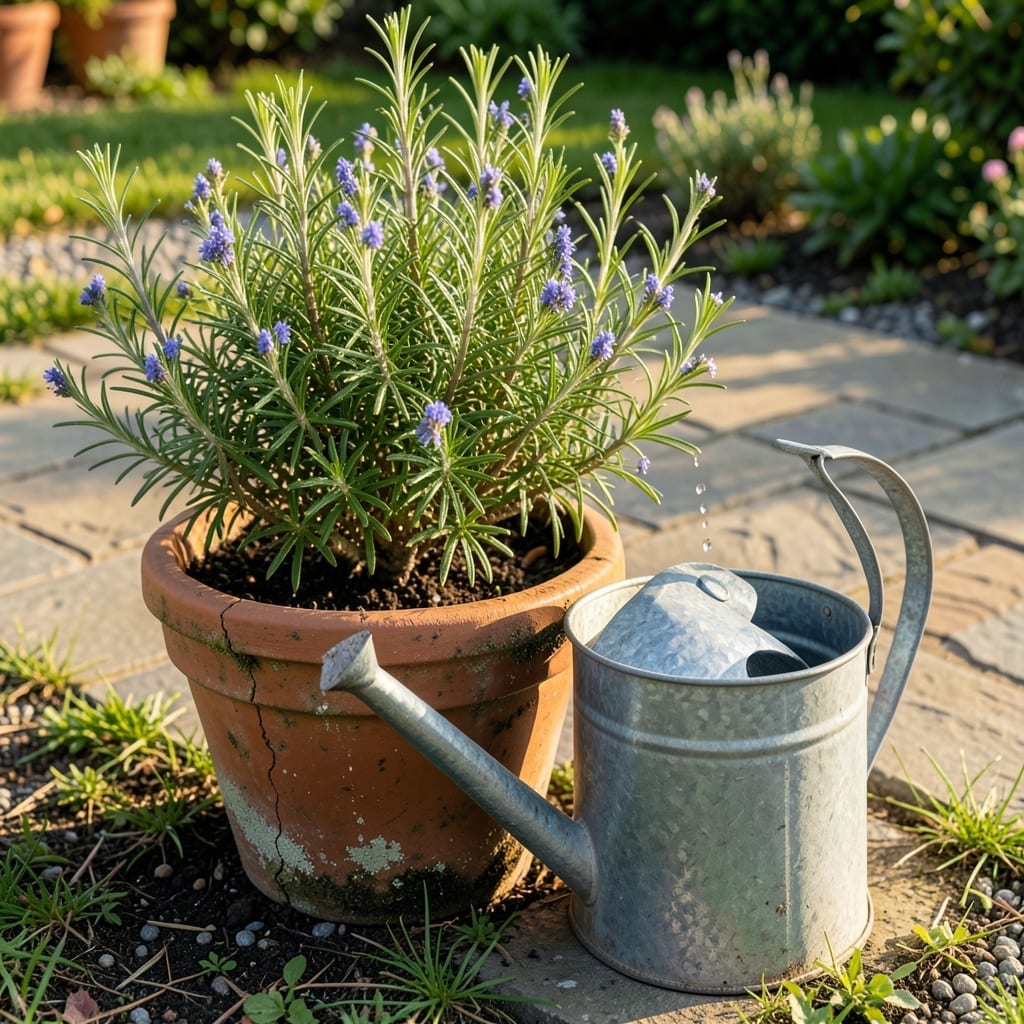
Overwatering is the #1 killer of rosemary, yet many gardeners still get the watering schedule wrong. This drought-tolerant herb actually thrives on a little neglect.
Getting the right amount of water is the key to a lush, aromatic 🌿 rosemary plant. Too much can rot the roots, while too little leaves it parched.
I’ll show you how to strike the perfect balance—whether your rosemary is in pots or planted in the ground. No more guessing games.
Discover the simple, foolproof watering routine that keeps your rosemary healthy year-round, even in Zone 6.
Getting the watering schedule right for rosemary is simpler than you think. This Mediterranean native thrives in dry conditions, so less is often more. I’ve found that overwatering causes far more problems than drought.
Established rosemary plants need water every 1-2 weeks, but this varies by season and climate. In hot summers, I water every 10-14 days, while in cooler months, I stretch it to 3-4 weeks. Always check the soil first!
| Season | Water Frequency | Water Amount | Notes |
|---|---|---|---|
| Spring | Weekly | Deep soak | Encourages new growth |
| Summer | Every 10-14 days | 1 gallon per plant | Water early morning |
| Fall | Bi-weekly | Moderate soak | Reduce as temps drop |
| Winter | Monthly | Light moisture | Dormant period needs less |
For potted rosemary, the rules change slightly. Containers dry out faster, so I water mine every 5-7 days in summer. But always check the soil—if the top 1-2 inches are dry, it’s time to water.
I use the finger test to check moisture. Stick your finger 2 inches deep into the soil. If it feels dry at that depth, your rosemary needs water. If it’s damp or cool, hold off for a few more days.
Newly planted rosemary needs more attention. Water 2-3 times a week for the first month to help roots establish. After that, gradually reduce to the standard schedule as it matures.
In hot, arid climates, rosemary can go 3-4 weeks without water once established. But in humid regions, watch for fungal issues—space plants well and water at the base to keep foliage dry.
Morning watering is ideal. It allows excess moisture to evaporate during the day, reducing the risk of root rot. I avoid evening watering, as cool nights can trap moisture around the roots.
If you’re unsure, underwatering is safer than overwatering for rosemary. This hardy herb bounces back quickly from drought but struggles with soggy roots. When in doubt, wait another day!
I’ve seen rosemary thrive with just rainwater in many climates. If your area gets regular rainfall, you may not need to water at all during spring and fall. Just monitor the soil!
Remember, well-draining soil is key. Rosemary hates wet feet, so if your soil is heavy clay, amend it with sand or compost to improve drainage before planting.
By following these simple guidelines, you’ll keep your rosemary healthy and aromatic all year long. This plant rewards neglect more than pampering, so resist the urge to overcare! 🌿
Your rosemary plant will tell you when it’s thirsty or drowning. I’ve learned to spot these early warning signs before they become serious problems. Watch for subtle changes in leaf color and texture.
The key is to act quickly when you notice these indicators. Rosemary is forgiving of drought but hates soggy roots. Here’s what to look for:
Drooping leaves are the first sign I notice when my rosemary needs water. They’ll perk up within a few hours of a good drink. But if they stay limp, I know I’ve waited too long.
Yellow leaves are trickier—they can mean too much or too little water. I always check the soil first. If it’s bone dry, water deeply. If it’s soggy, I improve drainage and hold off on watering.
Brown, crispy tips are a classic sign of drought stress. I see this often in potted rosemary during summer. A deep watering usually revives it, but I make sure the pot has drainage holes.
Mushy stems are the scariest sign—they mean root rot has likely set in. If I catch it early, I stop watering and repot in fresh, dry soil. Prevention is key!