
Beautiful Plants For Your Interior
Beautiful Plants For Your Interior
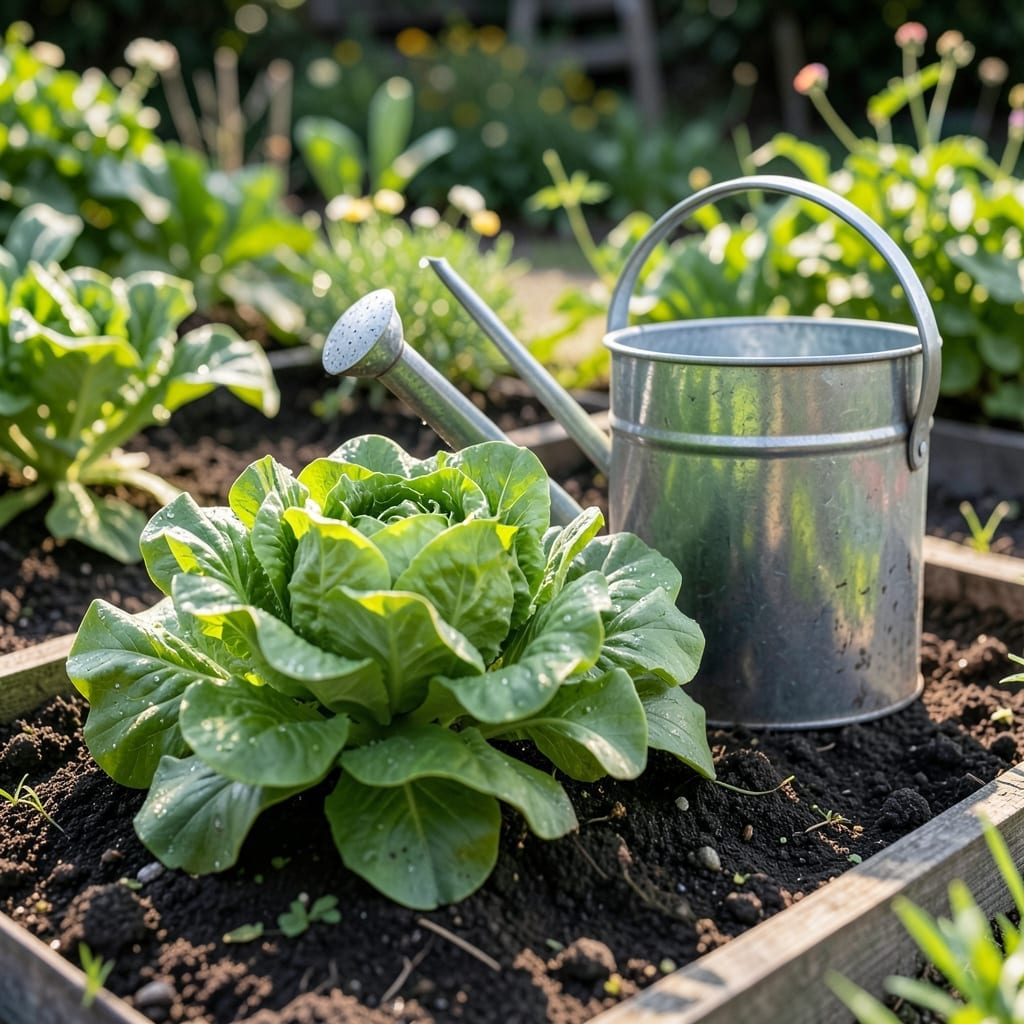
Lettuce is a garden staple, but overwatering or underwatering can quickly turn your crisp 🥬 leaves into a wilted mess. Getting the watering right is the key to a thriving harvest.
Whether you’re growing in containers or raised beds, understanding your lettuce’s needs prevents common mistakes. I’ve seen firsthand how proper watering transforms struggling plants into healthy, vibrant greens.
Discover the simple yet most important watering practices that will keep your lettuce happy and productive all season long.
Understanding lettuce watering needs starts with recognizing that each growth stage demands different care. As a gardener, I’ve learned that seedlings need consistent moisture to establish roots, while mature plants thrive with deeper, less frequent watering.
From germination to harvest, your approach should adapt. Early on, keep soil evenly damp but not soggy. Later, focus on maintaining consistent soil moisture to prevent bolting or bitterness. 🌱
🌱 Lettuce Watering by Growth Stage
| Stage | Frequency | Amount | Soil Condition |
| Seedlings | Daily | Light mist | Consistently moist |
| Young Plants | Every 2-3 days | 1/4 inch per watering | Moist but not soggy |
| Mature Plants | Every 5-7 days | 1 inch per week | Evenly moist, well-drained |
| Pre-Harvest | Every 3-5 days | 1/2 inch per watering | Slightly drier to prevent rot |
For seedlings, I recommend using a spray bottle to avoid dislodging delicate roots. At this stage, overwatering is just as dangerous as underwatering, as it can lead to damping-off disease. 💧
As plants grow, transition to gentle watering at soil level. Young lettuce benefits from shallow, frequent watering to encourage strong root development without stressing the plant.
Once mature, lettuce needs 1 inch of water per week, including rainfall. I check soil moisture by inserting my finger 1 inch deep—if it feels dry, it’s time to water.
In hot weather, you may need to water every 3-4 days to maintain moisture. Mulching around plants helps retain soil moisture and keeps roots cool, which is especially important for head lettuce varieties.
Before harvest, reduce watering slightly to prevent rot and encourage sweeter leaves. This is particularly true for butterhead and romaine, which are prone to fungal issues in damp conditions.
Remember, consistency is key. Lettuce prefers even moisture over sudden fluctuations. Using a drip irrigation system can help maintain this balance, especially in raised beds or containers. ✂️
Finally, always water in the early morning to allow foliage to dry before evening. This simple practice prevents many fungal diseases that can plague lettuce crops.
Recognizing watering problems in lettuce can save your crop before it’s too late. I’ve found that yellowing leaves often signal overwatering, while wilted or crispy edges usually indicate underwatering. Both issues can stunt growth and reduce flavor. 🌱
Another telltale sign of too much water is mushy stems or a foul odor from the soil, which points to root rot. On the flip side, dry, cracked soil pulling away from the plant’s base screams thirsty lettuce. 💧
⚖️ Overwatering vs. Underwatering Lettuce
For overwatered lettuce, I immediately stop watering and let the soil dry out. If root rot is present, I gently remove affected plants and improve soil drainage with compost or perlite. Sometimes, a fungicide may be necessary for severe cases.
With underwatered lettuce, the fix is simpler: give it a deep soak at the base. I use a soaker hose to deliver water directly to the roots, ensuring even distribution without wasting a drop. Mulching helps retain moisture for longer periods.
Prevention is always better than cure. I use the finger test—inserting my finger 1-2 inches into the soil—to check moisture before watering. This simple habit prevents most watering issues before they start. ✂️
Remember, lettuce is 90% water, so maintaining consistent moisture is crucial. However, it’s equally important to ensure good drainage to avoid waterlogging. Raised beds or containers with drainage holes work wonders for this.