
Beautiful Plants For Your Interior
Beautiful Plants For Your Interior
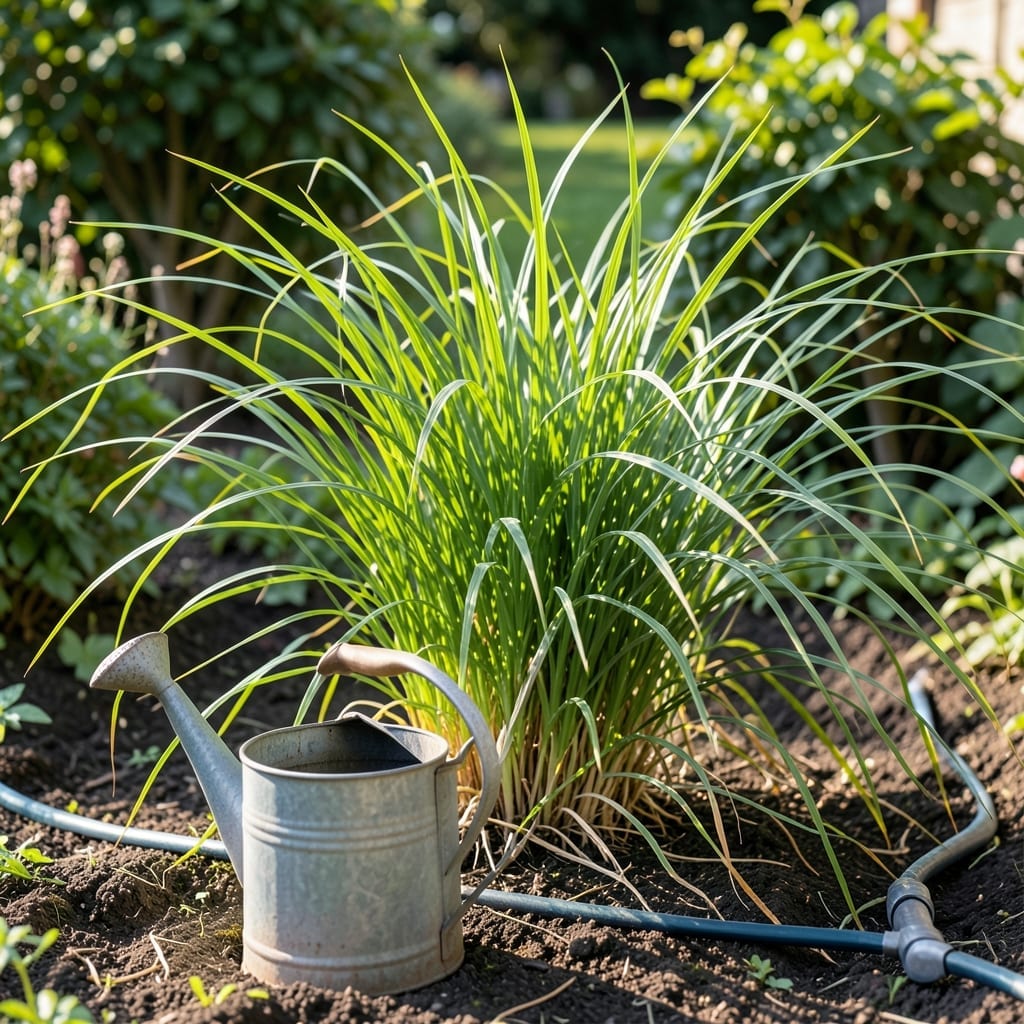
Lemongrass thrives with the right watering routine, but too much or too little can stunt its growth. I’ve seen healthy 🌿 Lemongrass wilt from neglect and drown from overcare—balance is everything.
Getting the watering right means understanding your plant’s needs through each stage. Whether you’re growing in zone 9b or a cooler climate, the principles stay the same.
I’ll walk you through the signs of stress and the easiest ways to keep your soil just right. No guesswork, just straightforward advice.
Discover how simple adjustments can make all the difference for your Lemongrass this season.


Getting the watering routine right is key to growing healthy lemongrass. This tropical plant thrives on consistent moisture but hates soggy roots. I’ve found that adjusting your approach by growth stage makes all the difference.
Young lemongrass plants need more frequent watering to establish strong roots. Aim for 1 inch of water every 3-4 days in warm weather, tapering off as they mature.
| Growth Stage | Water Frequency | Water Amount | Soil Condition |
|---|---|---|---|
| Seedlings/Young Plants | Every 3-4 days | 1 inch | Moist but not soggy |
| Established Plants | Weekly | 1-2 inches | Consistently moist |
| Mature Lemongrass | Every 5-7 days | 1.5 inches | Slightly dry between waterings |
| Drought Conditions | Every 2-3 days | 1-1.5 inches | Prevent soil dryness |
In hot summer months, I water my mature lemongrass every 5-7 days, ensuring the top inch of soil dries slightly between sessions. This prevents root rot while keeping the plant hydrated.
For container-grown lemongrass, check the soil moisture daily. Pots dry out faster, so I often water every 2-3 days in peak heat. Always empty the saucer to avoid waterlogging.
During cooler seasons, like spring or fall, reduce watering to once a week. Lemongrass grows slower in lower temperatures, so overwatering can lead to fungal issues.
If you’re in a humid climate, monitor the soil moisture carefully. High humidity means less frequent watering is needed. I use a moisture meter to check the root zone before watering.
Morning watering is ideal because it allows foliage to dry before evening, reducing the risk of disease. I always water at the base of the plant to keep leaves dry and healthy.
In drought conditions, increase watering to every 2-3 days but avoid over-saturating the soil. A thick layer of mulch helps retain moisture and keeps roots cool.
Remember, lemongrass is drought-tolerant once established, but consistent moisture leads to the best growth and strongest fragrance. 🌿
I’ve learned that lemongrass sends clear signals when its watering needs aren’t met. Yellowing leaves often mean too much water, while dry, crispy tips scream for more.
Root rot is a silent killer with overwatering—check for mushy stems or a foul odor at the base. On the flip side, wilting in dry soil is your plant’s cry for hydration.
I always check soil moisture an inch down before watering. If it’s dry and crumbly, it’s time to hydrate. If it’s soggy or cool, hold off for a day or two.
In hot climates, lemongrass may need daily checks, but in cooler zones, weekly watering often suffices. Adjust based on your local conditions and soil type.
If you spot brown leaf tips, don’t panic—it’s often fixable. Trim the damage and adjust your routine. Consistency is key for healthy growth and strong stalks.
Remember, lemongrass is resilient. With a little attention to these signs, you’ll keep yours thriving through every season 🌿