
Beautiful Plants For Your Interior
Beautiful Plants For Your Interior
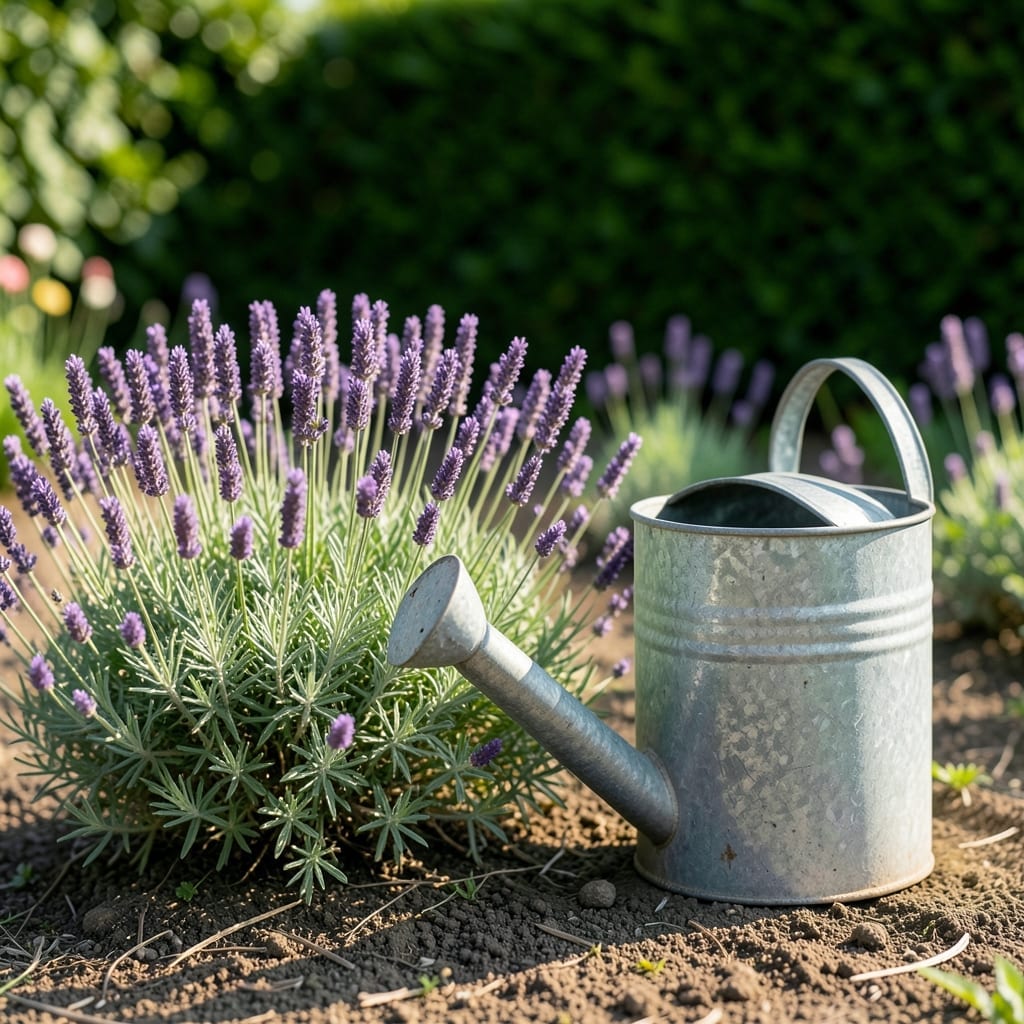
Lavender’s intoxicating fragrance and vibrant 🟣 blooms can turn any garden into a Mediterranean paradise. Yet, overwatering remains the top reason these hardy plants fail.
Getting the watering schedule right is the key to years of low-maintenance beauty. Unlike thirsty garden varieties, Lavender thrives on much less water than you might expect.
Let me show you exactly how to keep your plants healthy without drowning them. Discover the simple but crucial balance that makes all the difference.
One of the biggest mistakes I see with lavender plants is overwatering. These Mediterranean natives are drought-tolerant and actually prefer drier conditions once established.
Newly planted lavender needs more attention, but even then, it’s easy to go overboard. The key is understanding how their watering needs change as they grow.
| Growth Stage | Water Frequency | Water Amount |
|---|---|---|
| Newly Planted | Every 5-7 days | Keep soil lightly moist |
| Established (1st year) | Every 2-3 weeks | Deep soak at root zone |
| Mature (2+ years) | Every 3-4 weeks | Deep watering only |
| Dormant (Winter) | Monthly | Minimal moisture |
For newly planted lavender, I recommend watering every 5-7 days for the first month. This helps the roots establish without becoming waterlogged.
The soil should stay lightly moist but never soggy. After the first month, gradually reduce frequency to encourage deep root growth.
Once your lavender is established (after about a year), you can cut back to watering every 2-3 weeks. At this stage, the plant’s deep roots can access moisture from lower soil layers.
I’ve found that mature lavender (2+ years old) thrives on even less water—just a deep soak every 3-4 weeks is plenty during the growing season.
In winter, when the plant is dormant, I barely water at all—just enough to prevent the soil from completely drying out, about once a month.
Remember, lavender prefers dry conditions over wet. If you’re unsure, it’s better to underwater than overwater. The plant will tell you it’s thirsty with slightly drooping leaves, which perks up quickly after watering.
Always water at the base of the plant to keep the foliage dry and prevent fungal diseases. Early morning is the best time to water, as it gives the plant time to dry before evening.
I’ve learned that lavender plants are quite vocal about their watering needs if you know what to look for. These drought-tolerant beauties will show clear signs when they’re getting too much water or not enough.
Catching these early can save your plant from stress or even death. Here’s what I watch for in my own garden to keep my lavender thriving with just the right amount of moisture.
In my experience, yellowing leaves are the first red flag for overwatering. This happens because the roots can’t breathe in soggy soil, leading to nutrient uptake issues. If you see this, stop watering immediately and check your drainage.
Wilting stems can be tricky because they appear in both overwatered and underwatered plants. I check the soil—if it’s bone dry, it’s thirsty; if it’s waterlogged, it’s drowning. The solution is opposite in each case.
For mushy brown roots, this is a serious sign of root rot. I’ve saved plants by carefully removing them, trimming the affected roots, and replanting in fresh, well-draining soil with a pause on watering.
Drooping foliage on hot days usually means your lavender needs water. But wait for the cooler evening to water deeply at the base, and you’ll see it perk up by morning.
I’ve noticed that leaf drop often occurs when watering is inconsistent. Lavender prefers a steady routine, so I stick to my schedule religiously once established.