
Beautiful Plants For Your Interior
Beautiful Plants For Your Interior
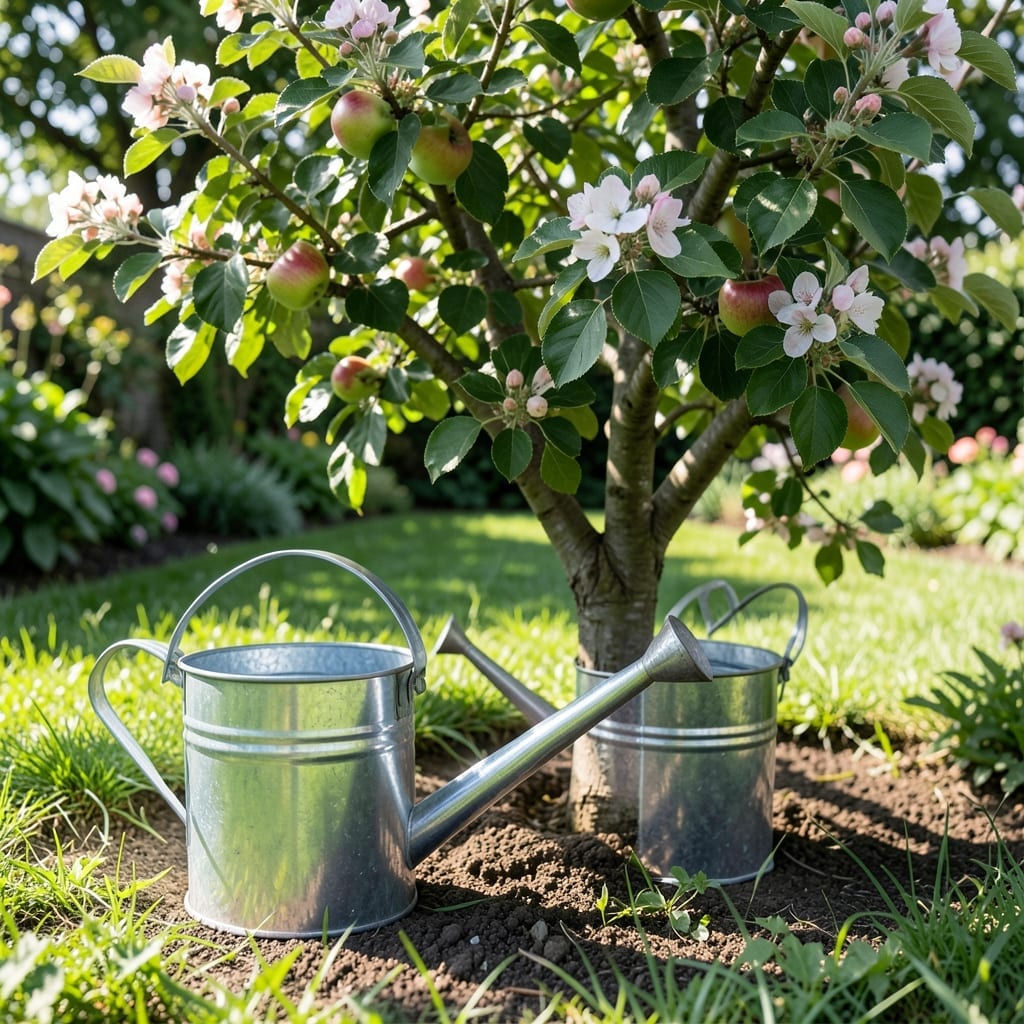
Proper watering is the secret to a thriving 🍏 Apple Tree, but overdoing it can be just as harmful as neglect. Discover the key to keeping your tree healthy without drowning its roots.
Whether you’re growing a young sapling or maintaining a mature Apple Tree, getting the water balance right makes all the difference. I’ll show you exactly how much and how often to water for optimal growth.
Let’s dive into the simple yet most effective weekly guidelines that will keep your Apple Tree flourishing through every season.
Getting the watering schedule right is crucial for apple tree health. Young saplings need consistent moisture to establish roots, while mature trees require deeper, less frequent watering to encourage strong growth.
I always recommend checking soil moisture before watering. Stick your finger 2-3 inches deep—if it’s dry, it’s time to water. This simple test prevents overwatering, which can suffocate roots.
| Growth Stage | Water Frequency | Amount per Session |
|---|---|---|
| Young Sapling | Every 5-7 days | 5 gallons |
| Mature Tree | Every 7-10 days | 10-15 gallons |
| Fruit-Bearing | Every 5-7 days | 15-20 gallons |
| Dormant Season | Every 2-3 weeks | 5-10 gallons |
For young apple trees, focus on shallow, frequent watering to keep the root ball moist. As the tree grows, shift to deep watering to encourage roots to spread outward and downward.
During summer heatwaves, I increase watering to every 3-4 days for fruit-bearing trees. The extra water helps prevent fruit drop and ensures juicy apples at harvest time.
Clay soils hold moisture longer, so water less often. Sandy soils drain quickly and may need water every 4-5 days. Always adjust based on your soil type and local weather.
Mulching with wood chips or straw helps retain moisture. I apply a 3-4 inch layer around the base, keeping it 6 inches away from the trunk to prevent rot.
A drip irrigation system is my top recommendation for efficiency. It delivers water directly to the roots, reducing waste and preventing fungal diseases that can occur with overhead watering.
Remember, morning watering is best. It allows leaves to dry during the day, reducing the risk of fungal infections. Avoid watering in the evening for this reason.
By following these stage-specific guidelines, you’ll give your apple tree the best chance to thrive. Consistent, appropriate watering leads to stronger trees and bountiful harvests 🌳
Recognizing watering problems early can save your apple tree from long-term damage. I’ve seen both overwatered and underwatered trees struggle, but the signs are easy to spot once you know what to look for.
An overwatered apple tree often shows yellowing leaves that drop prematurely. The soil may stay soggy, and you might notice mold growth at the base. Root rot is a serious risk in these cases.
Underwatered trees typically show wilting leaves during the hottest part of the day. The soil will be dry and cracked, and fruits may drop before maturing. A deep, thorough watering usually revives them quickly.
For overwatered trees, I recommend stopping all watering until the top 3-4 inches of soil are dry. If root rot is suspected, you may need to trim affected roots and repot in fresh, well-draining soil.
Prevention is always better than cure. I use a moisture meter to check soil conditions regularly. It takes the guesswork out of watering and helps maintain that perfect balance.
Remember, apple trees are generally drought-tolerant once established. They’ll usually recover from underwatering faster than from overwatering damage. When in doubt, it’s better to water less than more 🌳