
Beautiful Plants For Your Interior
Beautiful Plants For Your Interior
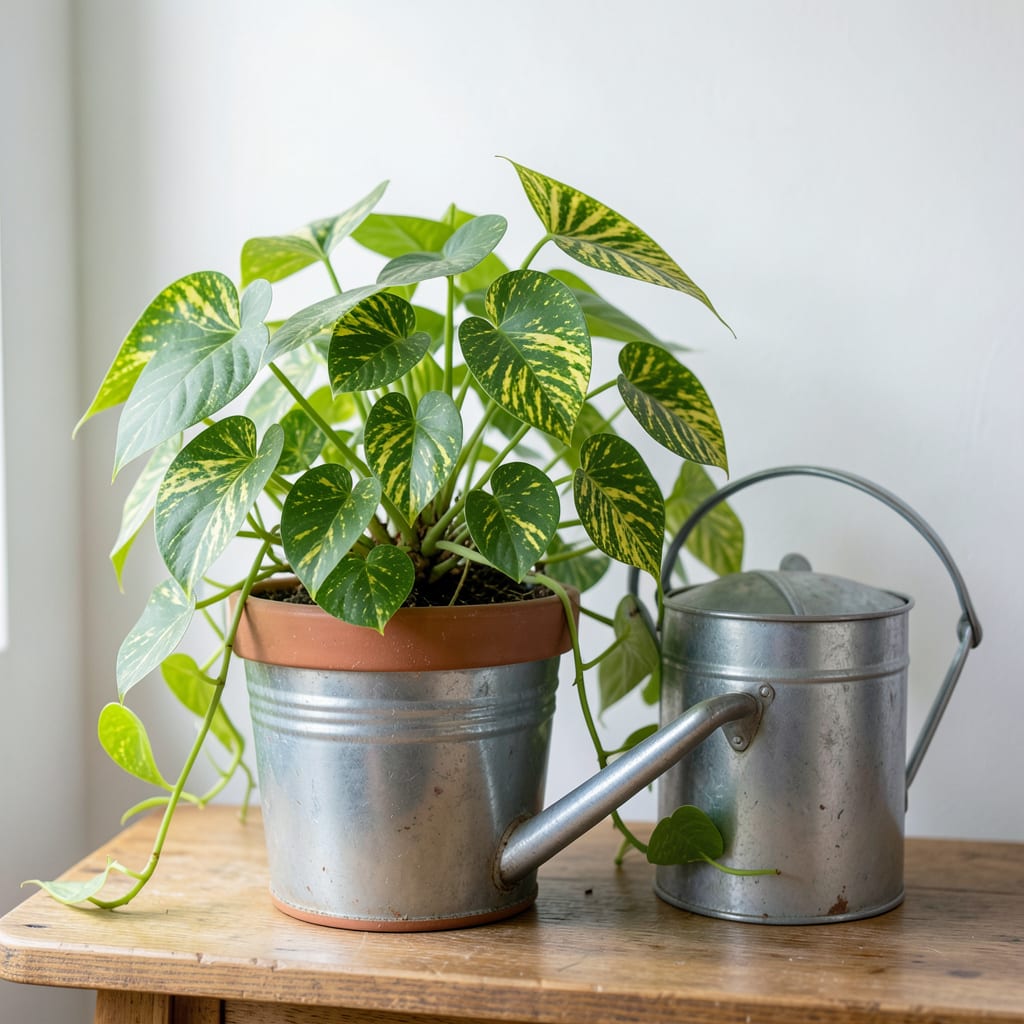
As I care for my Money Plant 🌿, I’ve learned that watering is crucial for its health. Too little water can cause stress, while too much can lead to root rot.
So, how much water does it actually need? The key is to understand its watering requirements based on factors like soil type and environmental conditions in your General location.


I’ve found that understanding the watering needs of my Money Plant is crucial for its health. The amount of water it requires depends on several factors, including the type of soil it’s planted in, the size of the pot, and the environmental conditions it’s exposed to.
The Money Plant prefers consistently moist soil but can’t tolerate soggy conditions. This means I need to strike a balance between keeping the soil damp and avoiding overwatering. In my experience, the key is to check the soil moisture regularly and adjust my watering schedule accordingly 🌿.
One of the most important factors influencing the watering needs of a Money Plant is the soil type. Well-draining soil is essential to prevent waterlogged conditions that can lead to root rot. I
The size of the pot also plays a significant role in determining how much water the plant needs. Larger pots retain more moisture, so I adjust my watering schedule based on the pot size. For smaller pots, I water more frequently to prevent the soil from drying out.
Environmental conditions, such as temperature and humidity, also impact the watering needs of my Money Plant. In warmer temperatures or dry environments, the plant may require more frequent watering to maintain the right level of soil moisture.
Finally, the size and health of the plant itself are important considerations. Larger, more established plants may require more water than younger or smaller plants. I monitor my plant’s growth and adjust my watering habits accordingly.
By understanding these factors and adjusting my care routine, I can ensure my Money Plant receives the right amount of water to thrive. Regular monitoring and adjustments are key to maintaining optimal conditions for my plant.
In my experience, it’s better to err on the side of caution when it comes to watering. If I’m unsure whether the plant needs water, I check the soil moisture first. This simple step can prevent many common watering mistakes 🌿.
I’ve learned that Money Plants are relatively forgiving, but consistent care is still important. By providing the right amount of water and adjusting for seasonal changes, I can keep my plant healthy and thriving.
Overall, understanding the watering requirements of a Money Plant is essential for its care. By considering factors like soil type, pot size, and environmental conditions, I can create an optimal watering schedule that meets my plant’s needs.
With the right care, my Money Plant continues to grow and flourish, bringing beauty and air-purifying benefits to my home.
To determine the right watering schedule for my Money Plant, I need to check the soil moisture regularly. This helps me avoid both underwatering and overwatering, which can be detrimental to the plant’s health 🌱.
I check the soil moisture by inserting my finger 1-2 inches deep into the soil. If it feels dry, it’s time to water my plant. If it’s still moist, I wait another day or two before checking again. This simple method helps me stay on track with my watering schedule.
Water your Money Plant when the top 1-2 inches of soil feel dry to the touch. Adjust the frequency based on the season and environmental conditions.
Another important factor is to avoid getting water on the leaves to prevent fungal diseases. Instead, I water at the soil level, making sure the pot has good drainage holes to prevent waterlogged soil.
During the spring and summer months when my Money Plant is actively growing, I water it more frequently, usually every 5-7 days. In the fall and winter when the plant is dormant, I reduce the watering frequency to bi-weekly.
It’s also essential to consider the environmental conditions in my home. If the air is dry or the temperature is high, my plant may need more frequent watering. On the other hand, if the air is humid or the temperature is cooler, it may need less water 🌿.
By following these guidelines and monitoring my plant’s response, I can adjust my watering schedule to meet its specific needs. This helps ensure my Money Plant stays healthy and thrives.
Regular monitoring and adjustments are key to maintaining the right watering schedule. I’ve found that being attentive to my plant’s needs and adapting to changes in its environment helps prevent common watering mistakes.
Overall, determining the right watering schedule for my Money Plant requires a combination of regular checks, seasonal adjustments, and attention to environmental conditions. By doing so, I can provide the best care for my plant and enjoy its benefits for years to come.
When caring for my Money Plant, I’ve learned that avoiding common watering mistakes is crucial for its health. One of the most significant errors is overwatering, which can lead to root rot and other problems 🌿.
To avoid this, I
Avoid overwatering your Money Plant, as it can lead to root rot and other serious health issues.
Another common mistake is underwatering, which can cause stress to the plant. To avoid this, I ensure that the soil remains consistently moist but not soggy.
Seasonal changes also play a significant role in watering my Money Plant. During the spring and summer months when the plant is actively growing, I water it more frequently. In the fall and winter when the plant is dormant, I reduce the watering frequency.
By being aware of these common watering mistakes and taking steps to avoid them, I can help my Money Plant thrive and enjoy its benefits for years to come.
Regular monitoring and adjustments to my watering schedule have been key to maintaining the health of my Money Plant. I’ve found that being attentive to the plant’s needs and adapting to changes in its environment helps prevent many common problems 🌿.
Water your Money Plant every 5-7 days during spring and summer when it’s actively growing. During fall and winter, reduce watering to bi-weekly. Check soil moisture by inserting your finger 1-2 inches deep into the soil.
The best way to check is by inserting your finger 1-2 inches deep into the soil. If it feels dry, it’s time to water. If it’s still moist, wait another day or two before checking again. This simple method helps prevent overwatering.
Yes, you can use tap water, but let it sit for 24 hours to allow chlorine to evaporate. This helps prevent damage to the roots. Using filtered water is also a good option if available.
Signs of overwatering include yellowing leaves, droopy stems, and root rot. If you notice these symptoms, stop watering immediately and check the soil moisture. Adjust your watering schedule accordingly to prevent further damage.
