
Beautiful Plants For Your Interior
Beautiful Plants For Your Interior
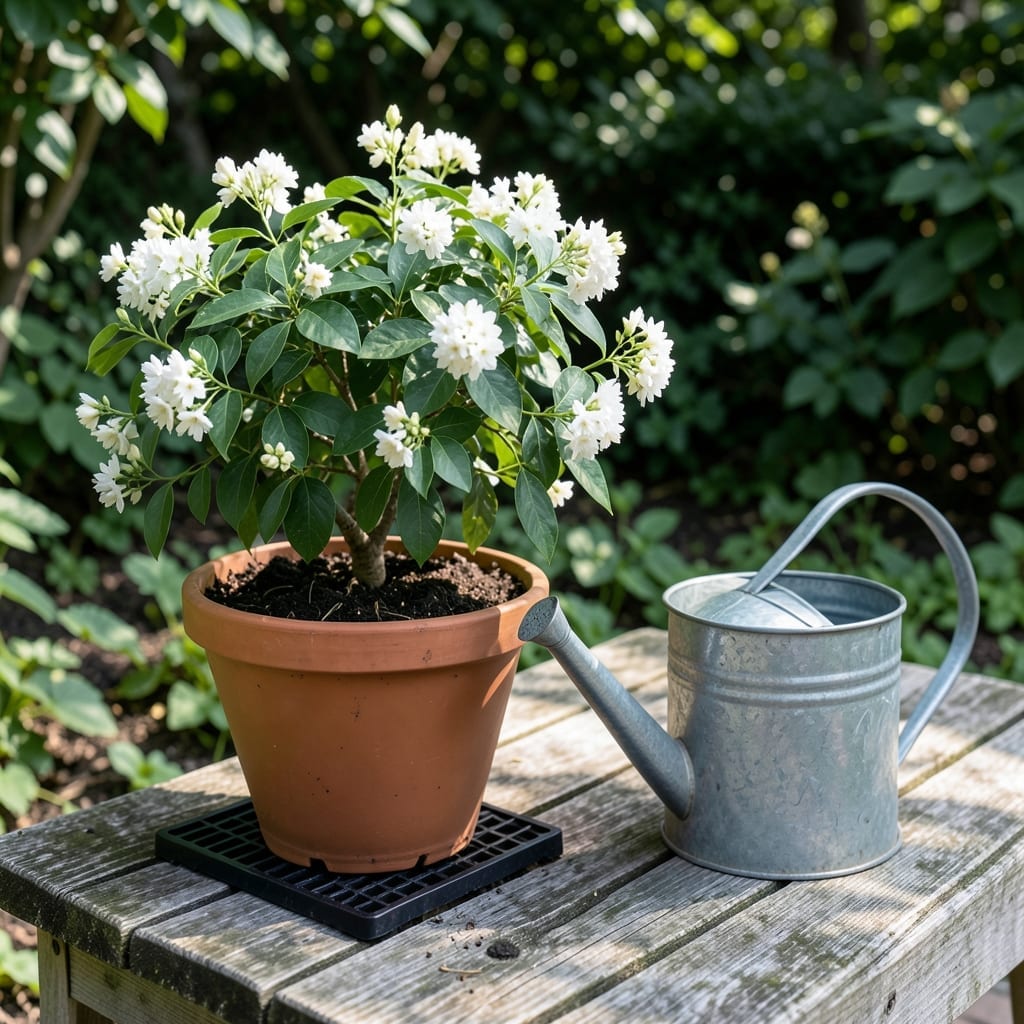
There’s nothing quite like the sweet scent of 🌸 Jasmine filling your garden, but getting those blooms depends heavily on one often overlooked factor: water.
Too much and you’ll drown the roots. Too little and you’ll stress the plant. I’ve seen both scenarios play out in my own garden, and neither ends well for your Jasmine.
What most gardeners don’t realize is that Jasmine’s water needs change with the seasons and your local climate. This isn’t a one-size-fits-all situation.
Let me walk you through the most effective approach to keep your Jasmine thriving without the guesswork. The results will speak for themselves.
Getting watering right is key to healthy jasmine plants and abundant blooms. These fragrant shrubs need consistent moisture but hate soggy roots. The right approach changes with the seasons and your local climate.
In warmer months, jasmine plants drink more, while cooler seasons require less frequent watering. Container-grown jasmine dries out faster than in-ground plants, so adjust accordingly.
| Season | Watering Frequency | Notes |
|---|---|---|
| Spring | Weekly | New growth begins; keep soil evenly moist |
| Summer | 2x per week | Hot climates may need daily checks |
| Fall | Weekly | Reduce as temperatures drop |
| Winter | Bi-weekly | Dormant period; water only when soil is dry |
| Arid Climates | Every 3-4 days | Check soil moisture daily in extreme heat |
| Humid Climates | Every 5-7 days | Good drainage prevents root rot |
For container-grown jasmine, I recommend checking soil moisture every 2-3 days in summer. Stick your finger 1-2 inches into the soil—if it feels dry, it’s time to water.
In-ground jasmine has more stable moisture but still needs deep watering to encourage strong root growth. Aim for 1-1.5 gallons per plant each session in active growth periods.
In arid regions, you might need to increase frequency to every 3-4 days. Mulching helps retain moisture. In humid areas, reduce watering to prevent fungal issues and root rot.
Always water at the base of the plant to avoid wetting the leaves, which can lead to disease. Early morning is the best time to water, allowing foliage to dry before evening.
Remember, yellow leaves often signal overwatering, while dropping leaves can indicate underwatering. Adjust your schedule based on your plant’s response and local weather.
By following these seasonal guidelines and climate adjustments, you’ll keep your jasmine thriving and blooming beautifully year after year 🌸
I’ve found that jasmine plants are quite vocal about their water needs if you know what to look for. Their leaves, stems, and soil can give clear signals when they’re getting too much or too little moisture. Catching these signs early helps prevent stress and keeps blooms abundant.
For example, yellowing leaves often indicate overwatering, while drooping foliage might mean the plant is thirsty. These visual cues are your first line of defense in maintaining a healthy jasmine plant.
In my experience, morning wilting that recovers by afternoon usually means your jasmine needs more frequent watering. This is especially common during summer heatwaves when soil dries out faster than usual.
Conversely, if your jasmine plant has soft, black stems at the base, it’s likely suffering from root rot. This happens when soil stays soggy for too long, so check your drainage immediately.
For potted jasmine plants, I recommend the finger test: stick your finger 1-2 inches into the soil. If it feels dry, it’s time to water. If it’s damp, wait another day or two.
Remember that container-grown jasmine typically needs more frequent watering than in-ground plants. The limited soil volume dries out faster, especially in terracotta pots which wick moisture away from the roots. 🌱