
Beautiful Plants For Your Interior
Beautiful Plants For Your Interior
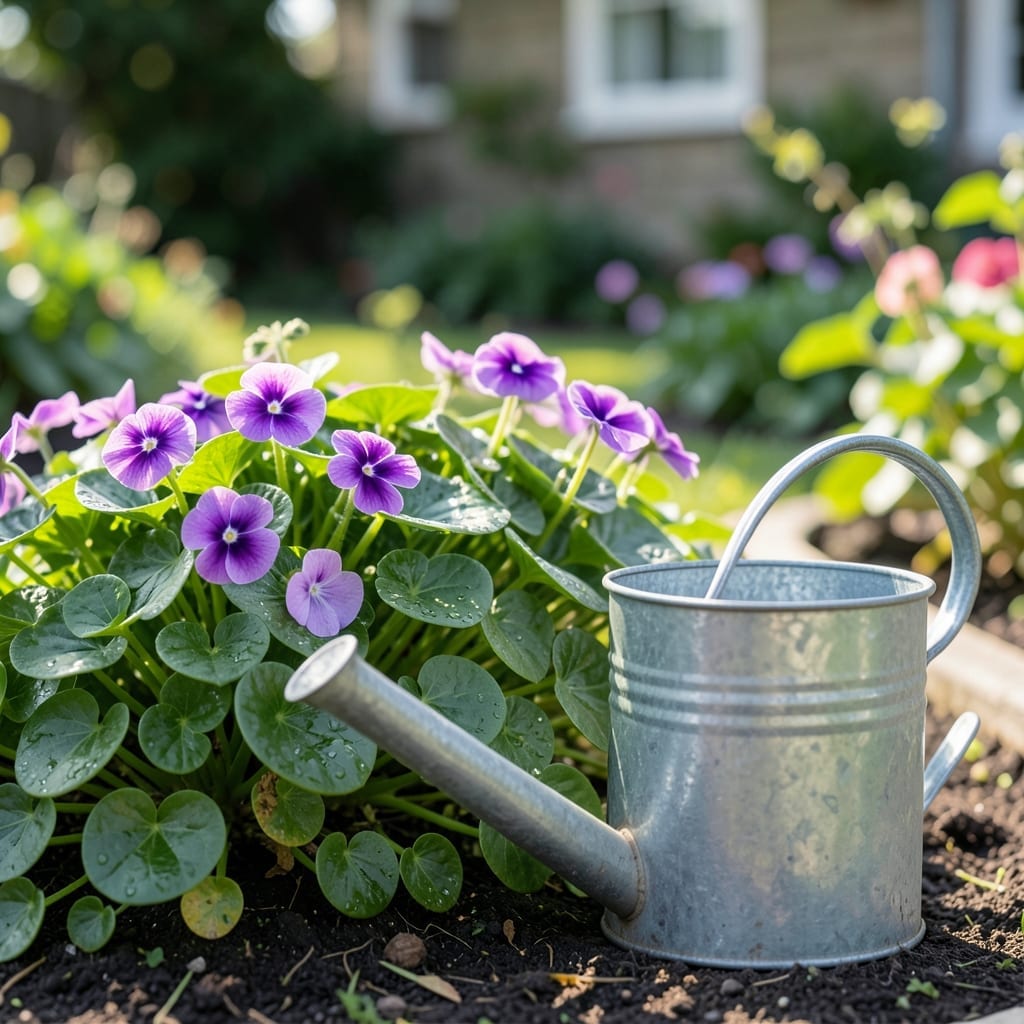
Vincas 🌸 are the ultimate low-maintenance garden stars, but even these tough plants have limits. Too much water can drown their roots, while too little leaves them struggling to bloom.
I’ve seen gardeners accidentally kill their vincas by overwatering, thinking they’re doing the plant a favor. The truth is, these beauties thrive on just the right balance.
Let me show you how to strike that perfect middle ground. With the right approach, your vincas will reward you with vibrant, healthy growth all season long.
Discover the simple yet effective watering schedule that keeps vincas happy in Zone 6a and beyond.
If you’re growing vinca plants, understanding their watering needs is key to healthy blooms and vibrant foliage. These plants are known for their drought tolerance, but they still require consistent moisture, especially during their establishing phase.
The right watering schedule depends on your climate, soil type, and whether your vincas are newly planted or mature. Hot, dry climates demand more frequent watering, while cooler, humid areas need less.
| Climate | Watering Frequency | Amount per Session | Key Notes |
|---|---|---|---|
| Hot/Dry | Every 5-7 days | 1-1.5 inches | Water deeply at base |
| Moderate | Every 7-10 days | 1 inch | Check soil moisture first |
| Humid | Every 10-14 days | 0.5-1 inch | Avoid overwatering |
Newly planted vincas need more attention. I recommend watering them 2-3 times per week for the first 2-3 weeks to help establish their root systems. After that, you can scale back.
For mature vincas, the general rule is 1 inch of water per week. In sandy soil, you may need to water more often since it drains quickly. In clay soil, less frequent but deeper watering works best.
Always water your vincas in the early morning. This gives the foliage time to dry and reduces the risk of fungal diseases. Avoid watering in the evening or at night.
If you notice yellowing leaves or drooping stems, it might be a sign of overwatering. On the flip side, wilting leaves and dry soil indicate underwatering. Adjust your schedule accordingly.
In summer months, vincas may need additional water due to the heat. I suggest checking the soil moisture by sticking your finger 1-2 inches into the soil. If it feels dry, it’s time to water.
During winter, vincas enter a dormant phase and require much less water. Reduce watering to once every 3-4 weeks or when the soil is completely dry.
Using mulch around your vincas can help retain moisture and reduce the need for frequent watering. Apply a 2-3 inch layer of organic mulch to keep the roots cool and hydrated.
Remember, consistency is more important than frequency. Vincas thrive when they receive steady moisture without being waterlogged.
I’ve found that vincas thrive with consistent, deep watering rather than frequent shallow sprinkles. This encourages strong root growth and helps them withstand dry spells better. Always water at the base to keep foliage dry and prevent disease.
For best results, I water my vincas in the early morning before 10 AM. This allows the soil to absorb moisture before the heat of the day and reduces evaporation loss. Evening watering can promote fungal issues, so I avoid it.
The soil type matters too. In sandy soil, I water more often as it drains quickly. For clay soil, I water less frequently but more deeply to prevent waterlogging. A simple finger test helps me check moisture levels.
I also adjust my watering schedule for container-grown vincas. These need more frequent watering than in-ground plants because pots dry out faster. I check them every 2-3 days in hot weather.
Remember, vincas are drought-tolerant once established, but young plants need regular water to get started. I reduce watering as they mature, letting the top inch of soil dry between sessions.
By following these techniques, I’ve seen my vincas produce vibrant blooms all season long with minimal effort. It’s all about consistency and paying attention to your plants’ needs. 🌸