
Beautiful Plants For Your Interior
Beautiful Plants For Your Interior
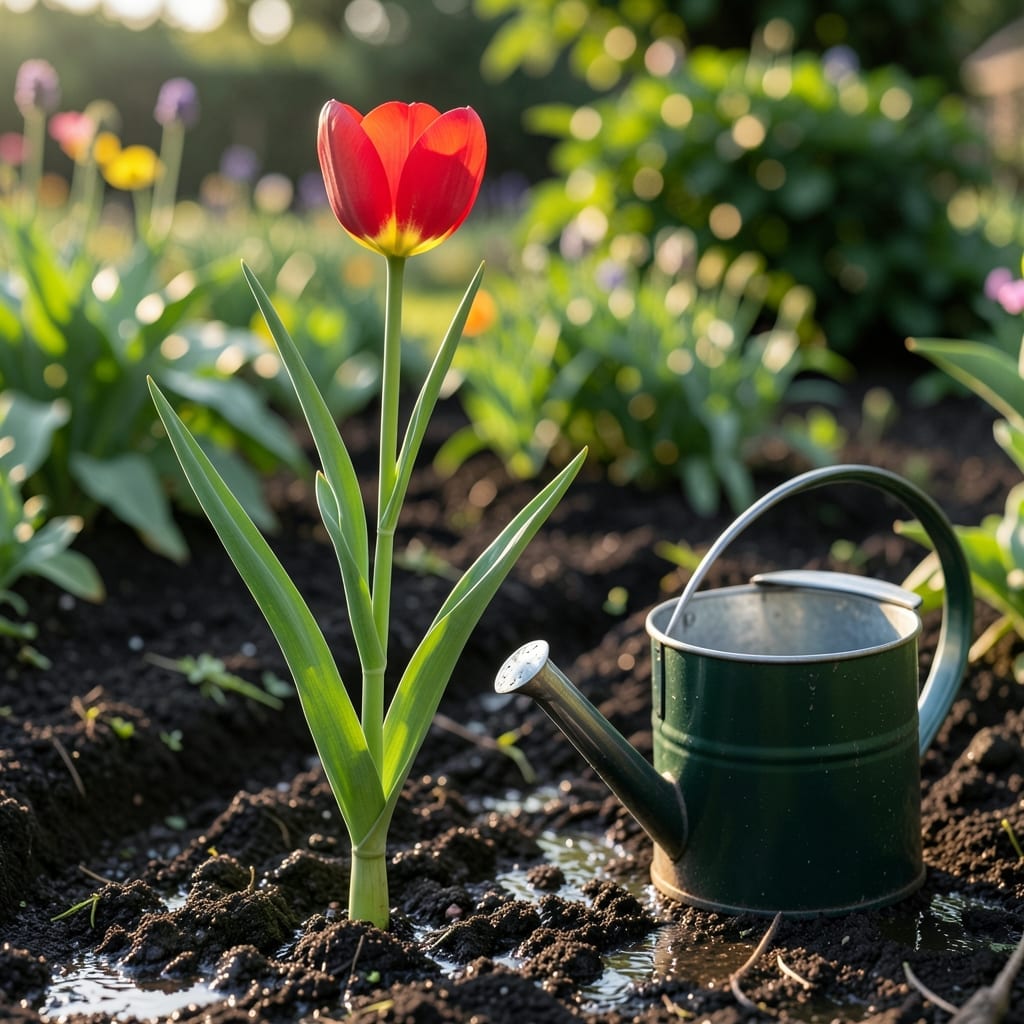
There’s nothing quite like seeing 🌷 Tulips burst into bloom each spring, but their beauty hinges on one often-overlooked factor: hydration. Too much or too little water can make or break your garden display.
I’ve learned the hard way that these flowers have specific needs that change with the seasons. What works in fall won’t necessarily work in spring, and getting it wrong can leave you with lackluster blooms.
Discover the simple but crucial watering approach that will keep your Tulips thriving from planting to full flower. It’s easier than you might think.
Getting Tulip watering right starts with understanding their seasonal needs. In fall, when bulbs are first planted, they require moderate moisture to encourage root growth before dormancy.
As spring arrives, the watering frequency increases to support active growth. The key is maintaining consistent soil moisture without waterlogging, which can rot the bulbs.
| Growth Stage | Watering Frequency | Key Notes |
|---|---|---|
| Planting (Fall) | Weekly | Deep soak to settle soil |
| Early Spring | Weekly | Keep soil moist as shoots emerge |
| Active Growth | Every 5-7 days | Increase if rainfall is low |
| Flowering | Every 4-5 days | Critical for vibrant blooms |
| Post-Bloom | Bi-weekly | Reduce as foliage yellows |
| Dormancy (Summer) | Monthly | Only if very dry conditions |
During active growth in early spring, I check soil moisture daily by sticking my finger 2 inches deep. If it feels dry, it’s time to water. This simple test prevents both underwatering and overwatering.
Flowering Tulips need the most attention. I aim for 1 inch of water per week, either from rainfall or supplemental watering. Morning watering is best to prevent fungal diseases.
After blooming, gradually reduce water as the foliage begins to yellow. This signals the bulb is entering dormancy. However, don’t stop completely until the leaves turn brown, as they’re still feeding the bulb.
For container-grown Tulips, the rules change slightly. Potted plants dry out faster, so I water every 3-4 days during active growth. Ensure pots have drainage holes to prevent bulb rot.
Climate matters too. In hotter zones, you may need to water more frequently. In cooler, wetter areas, natural rainfall might suffice. Always adjust based on your local conditions and soil type. 🌷
Remember, Tulips hate soggy feet. Well-draining soil is non-negotiable. If your garden has heavy clay, amend it with compost or sand before planting. This improvement makes a world of difference.
Finally, mulching helps retain moisture while keeping roots cool. I use a 2-inch layer of organic mulch around my Tulips, being careful not to cover the emerging shoots.
Even experienced gardeners make watering mistakes with Tulips. The most common? Overwatering during dormancy. I’ve seen bulbs rot from too much summer moisture when they need to rest.
Another frequent error is inconsistent watering during active growth. Tulips thrive on steady moisture, so erratic schedules can stress them. Let me show you the top pitfalls to avoid.
Overwatering in summer dormancy causes bulb rot – reduce to monthly
Poor drainage leads to waterlogging – amend heavy soil with compost
Evening watering promotes fungal diseases – always water in morning
Shallow watering encourages weak roots – aim for deep weekly soaks
Ignoring rainfall leads to overwatering – adjust schedule after heavy rain
The biggest mistake I see is watering at night. Wet foliage overnight creates perfect conditions for fungal diseases like botrytis. Always water in the early morning instead.
Poor drainage is another silent killer. If your soil stays soggy, the bulbs will rot. I always test drainage by digging a 12-inch hole and filling it with water. If it doesn’t drain within 4 hours, amend the soil.
Shallow watering encourages weak root systems. Instead of daily light sprinkles, I give my Tulips a deep soak weekly. This trains roots to grow deeper, making plants more drought-resistant.
The finger test is my go-to for checking moisture. Stick your finger 2 inches deep – if it’s dry, water. If it’s damp, wait. This simple method prevents both underwatering and overwatering. 🌷