
Beautiful Plants For Your Interior
Beautiful Plants For Your Interior
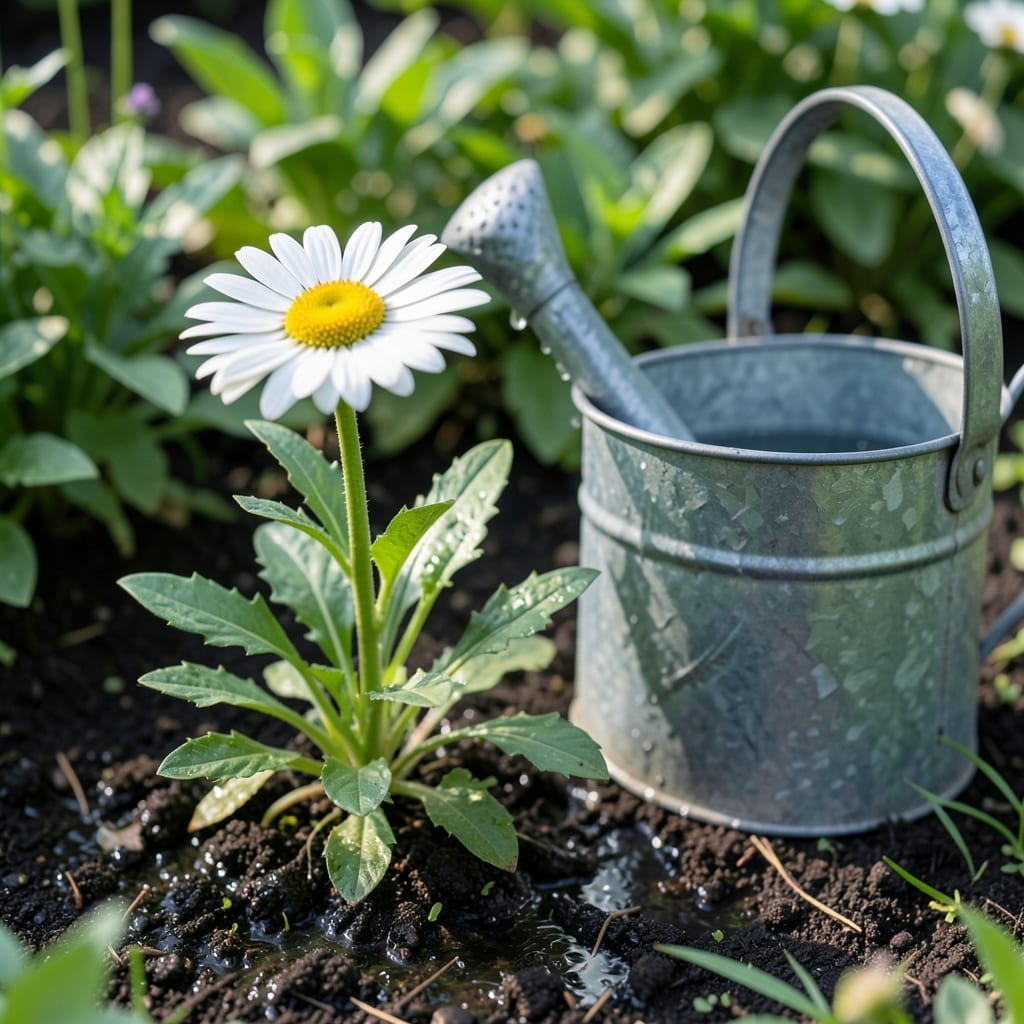
Daisies bring cheerful color to any garden, but their watering needs often puzzle even experienced gardeners. Get it wrong, and you’ll see wilted stems or root rot.
I’ve learned the hard way that healthy blooms depend on finding that perfect balance. Too much water drowns the roots, while too little leaves your 🌼 Daisy thirsty and weak.
What if you could master the art of watering with just a few simple guidelines? The good news is, it’s easier than you think.
Discover how to keep your daisies thriving with the right amount of water at the right time—no guesswork required.
I’ve found that daisies have different water needs as they grow. Seedlings require more frequent watering to establish roots, while mature plants are more drought-tolerant.
Growth stage and seasonal changes play a big role in how much water your daisies need to thrive. 🌼
| Stage | Water Frequency | Water Amount | Notes |
|---|---|---|---|
| Seedlings | Every 2-3 days | 0.5 inch | Keep soil consistently moist |
| Established Plants | Weekly | 1 inch | Water deeply at base |
| Flowering | Every 5-7 days | 1-1.5 inches | Increase in hot weather |
| Dormant | Bi-weekly | 0.5 inch | Reduce in winter |
For seedlings, I recommend using a spray bottle to avoid dislodging the delicate roots. The soil should stay evenly moist but never soggy.
Once your daisies are established, you can switch to deep watering once a week. This encourages strong root growth and makes the plants more resilient.
During the flowering stage, daisies need a bit more water to support bloom production. I’ve noticed mine produce more vibrant flowers with consistent moisture.
In hot climates, you might need to water twice a week. Always check the soil moisture by sticking your finger 1-2 inches into the ground.
For potted daisies, water when the top inch of soil feels dry. Containers dry out faster than garden beds, so keep an eye on them.
Well-draining soil is crucial for daisies. If your soil is heavy clay, consider amending it with compost or sand to improve drainage.
I always water my daisies in the early morning. This gives the plants time to absorb moisture before the heat of the day and reduces evaporation. 🌿
I’ve seen overwatered daisies with yellowing leaves and moldy stems. These are classic signs your 🌼 plants are drowning in too much love.
Underwatered daisies tell a different story: drooping stems, dry soil, and crispy petals. Both extremes can stunt growth and kill blooms.
When I spot yellow leaves, I immediately check the soil moisture. If it feels soggy, I hold off on watering for a few days.
For wilting daisies, I do the finger test: stick my finger 2 inches into the soil. If it’s dry, it’s time to water deeply.
Remember, morning watering is best. It gives your daisies time to absorb moisture before the heat of the day. 🌿
Consistency is key. I’ve found that 1 inch of water per week keeps most daisies happy, but always adjust for your climate and soil type.
With these simple checks, you’ll catch problems early and keep your daisies thriving all season long. 🌻