
Beautiful Plants For Your Interior
Beautiful Plants For Your Interior
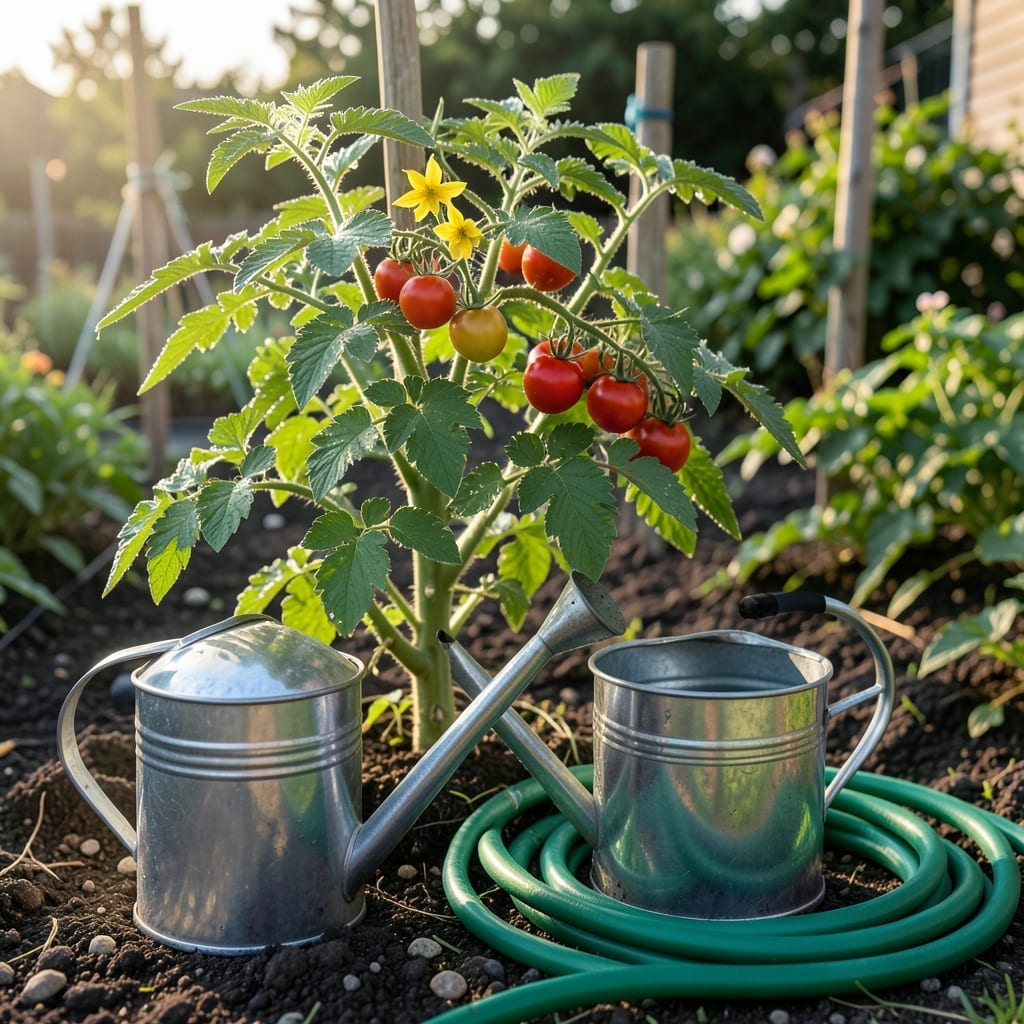
Nothing ruins a perfect harvest faster than cracked fruits or wilted vines from improper watering. I’ve seen too many gardeners struggle with 🍅Tomato plants that look healthy one day and stressed the next.
Getting the watering right is the key to avoiding common problems like blossom end rot or stunted growth. Whether you’re growing in containers or garden beds, consistency makes all the difference.
Discover the simple yet effective schedule that keeps your plants thriving. Let me show you exactly how to water for healthy results every time.


I’ve found that tomato plants thrive with 1-2 inches of water weekly, but this varies by growth stage and environment. Young seedlings need less, while fruiting plants demand more consistent moisture to prevent issues like blossom end rot.
In my experience, container-grown tomatoes dry out faster than those in garden beds, requiring more frequent watering. Hot climates or sandy soil may need daily checks to maintain proper hydration levels.
| Growth Stage | Water Requirement |
|---|---|
| Seedlings | Keep soil moist but not soggy |
| Vegetative | 1 inch weekly or every 4-5 days |
| Fruiting | 1.5-2 inches weekly or every 2-3 days |
| Container | Check daily in summer heat |
For in-ground tomatoes, I recommend checking soil moisture by inserting your finger 2 inches deep. If it feels dry, it’s time to water. This simple test prevents both overwatering and underwatering.
Morning watering is ideal as it allows foliage to dry before evening, reducing disease risk. I always aim to water before 10 AM for best results. Evening watering can promote fungal growth, which I’ve seen ruin many a crop.
During heatwaves, I increase watering frequency but maintain the same amount per session. Short, frequent waterings encourage shallow roots, while deep watering promotes strong root systems that can withstand dry spells.
Mulching with straw or wood chips helps retain moisture and keeps soil temperature consistent. I’ve noticed mulched plants need 20-30% less water than unmulched ones, making it a water-wise practice.
For drought-prone areas, consider drip irrigation systems. These deliver water directly to roots, reducing waste. I’ve had great success with soaker hoses in my own garden, especially during dry summers.
Remember that overwatering can be just as harmful as underwatering. Yellowing leaves or mold growth are signs you’re giving your tomatoes too much water. Adjust based on weather and plant response.
By following these guidelines and adjusting for your specific conditions, you’ll give your tomato plants the perfect amount of water for healthy growth and abundant fruit production 🌱
I always recommend watering at the base of tomato plants to keep foliage dry and prevent fungal diseases. This simple technique makes a huge difference in plant health and fruit quality.
The best time to water is early morning before 10 AM, allowing plants to absorb moisture before the day’s heat. I’ve found this reduces evaporation and gives plants a strong start.
For container tomatoes, I use a moisture meter to check soil conditions. These plants often need daily watering in summer, but always check first to avoid overwatering.
Mulching is my secret weapon for water conservation. A 2-3 inch layer of organic mulch keeps soil moist longer and regulates temperature, which tomatoes love.
If you notice wilting leaves in the afternoon, don’t panic. This is normal in heat, but if wilt persists into evening, it’s a sign your plants need more water immediately.
By following these watering techniques, you’ll see healthier plants with better fruit production and fewer problems like cracking or rot 🌿