
Beautiful Plants For Your Interior
Beautiful Plants For Your Interior
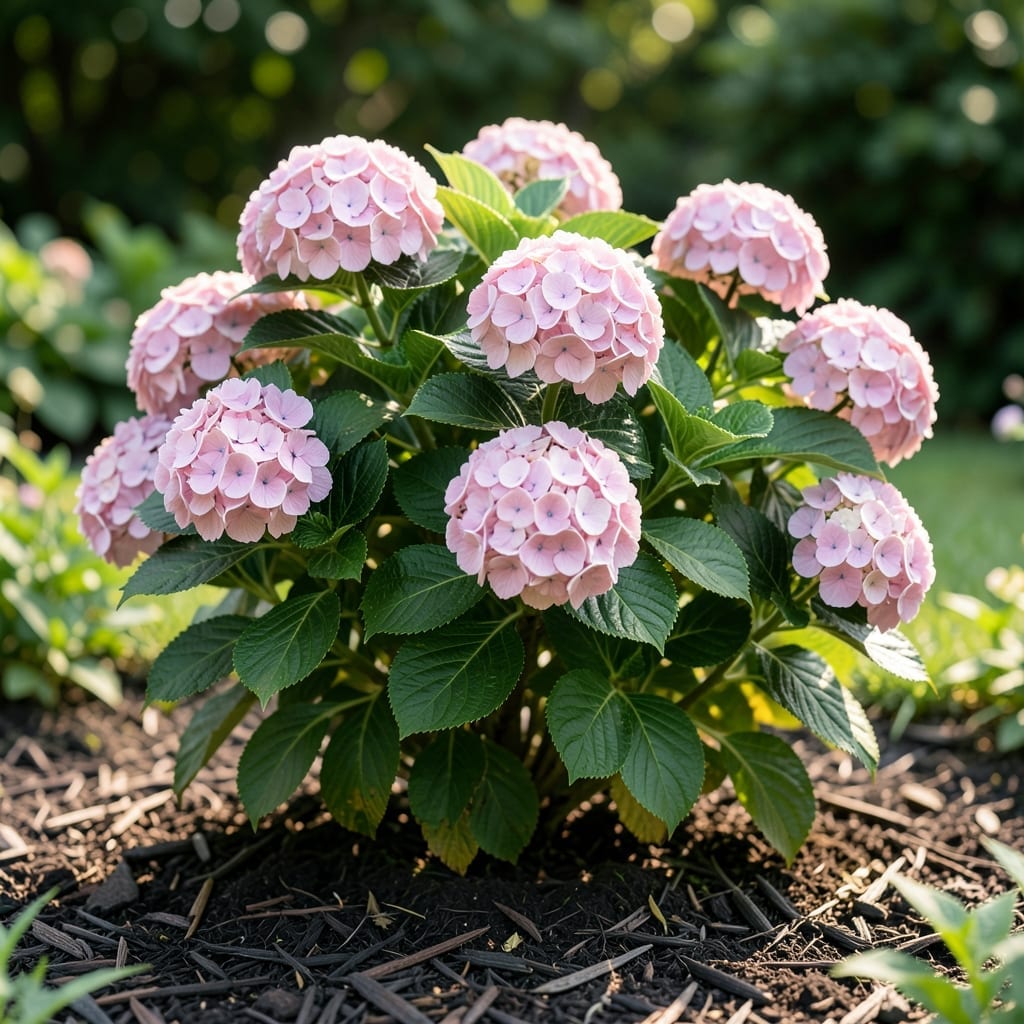
Hydrangeas can transform your garden with their stunning, voluminous blooms—but only if they get the right amount of sunlight. Too much or too little can leave you with weak stems and sparse flowers.
I’ve learned that the 🌸 Hydrangea thrives in partial shade, typically needing 4-6 hours of direct sunlight daily. The balance is delicate, and getting it right makes all the difference.
Discover how to adjust light exposure for different varieties and settings. Your lush, blooming hydrangeas are closer than you think.

Getting the sunlight balance right is key to vibrant hydrangea blooms. Different varieties have unique needs, and ignoring these can lead to weak growth or fewer flowers. I’ve seen gardens thrive by matching each type to its ideal light conditions.
From bigleaf hydrangeas to panicle types, the sunlight requirements vary. Some tolerate full sun, while others prefer the gentle shade of a woodland garden. Let’s break it down by variety.
| Variety | Sunlight Needs | Notes |
|---|---|---|
| Bigleaf | Morning sun, afternoon shade | Thrives in 4-6 hours of gentle light |
| Panicle | Full sun to partial shade | Handles 6+ hours of direct sun |
| Oakleaf | Partial to full shade | Prefers dappled light under trees |
| Smooth | Partial shade | Ideal for woodland gardens |
Bigleaf hydrangeas, like the popular mophead and lacecap, prefer morning sun and afternoon shade. This protects their delicate petals from harsh afternoon rays, which can scorch leaves.
In contrast, panicle hydrangeas are the sun-lovers of the group. They can handle full sun in cooler climates but still benefit from some shade in hotter regions to prevent stress.
Oakleaf hydrangeas are the shade-tolerant champions. They flourish under tall trees or on the north side of buildings, where they get filtered light most of the day.
Smooth hydrangeas, often found in wild settings, also prefer partial shade. They’re a great choice for gardens with dappled sunlight or limited direct sun exposure.
Regional climate plays a role, too. In hotter zones, even sun-loving varieties may need afternoon shade to avoid heat stress. Cooler climates allow for more sun without the risk of leaf burn.
If you’re unsure, observe your garden’s light patterns. East-facing spots offer gentle morning sun, while west-facing areas get intense afternoon light. Adjust planting locations based on your hydrangea’s needs.
I always recommend starting with the minimum sunlight requirement for your variety. You can gradually increase exposure if the plant responds well, but it’s harder to fix sun damage once it occurs.
With the right light, your hydrangeas will reward you with lush foliage and abundant blooms season after season ☀️🌿
Your hydrangea’s appearance is the best indicator of its sunlight health. I check my plants weekly for signs of stress, as catching issues early prevents long-term damage. Leaf scorch and wilting are common red flags.
Too much sun often causes brown leaf edges or bleached petals, while insufficient light leads to weak stems and fewer blooms. These symptoms are your plant’s way of asking for a change.
⚠️ Warning: Leaf scorch (brown, crispy edges) often means too much direct sun. Move your hydrangea to a spot with afternoon shade immediately.
In my experience, poor flowering is a classic sign of low light. Hydrangeas need enough energy to produce those spectacular blooms, and shade-heavy spots often leave them struggling.
Leggy growth with long stems and sparse leaves also indicates insufficient sunlight. The plant stretches toward the light, weakening its structure. Prune back these stems to encourage bushier growth in better light.
Yellowing leaves can signal both over-exposure and under-exposure. If paired with brown patches, it’s likely sunburn. If the leaves are uniformly pale, the plant may need more light.
For a quick fix, I use shade cloth during peak sun hours or move potted hydrangeas to brighter spots. Observe your plant’s response over 1-2 weeks to confirm the adjustment is working. With the right care, your hydrangea will bounce back with vibrant blooms and healthy foliage 🌿