
Beautiful Plants For Your Interior
Beautiful Plants For Your Interior
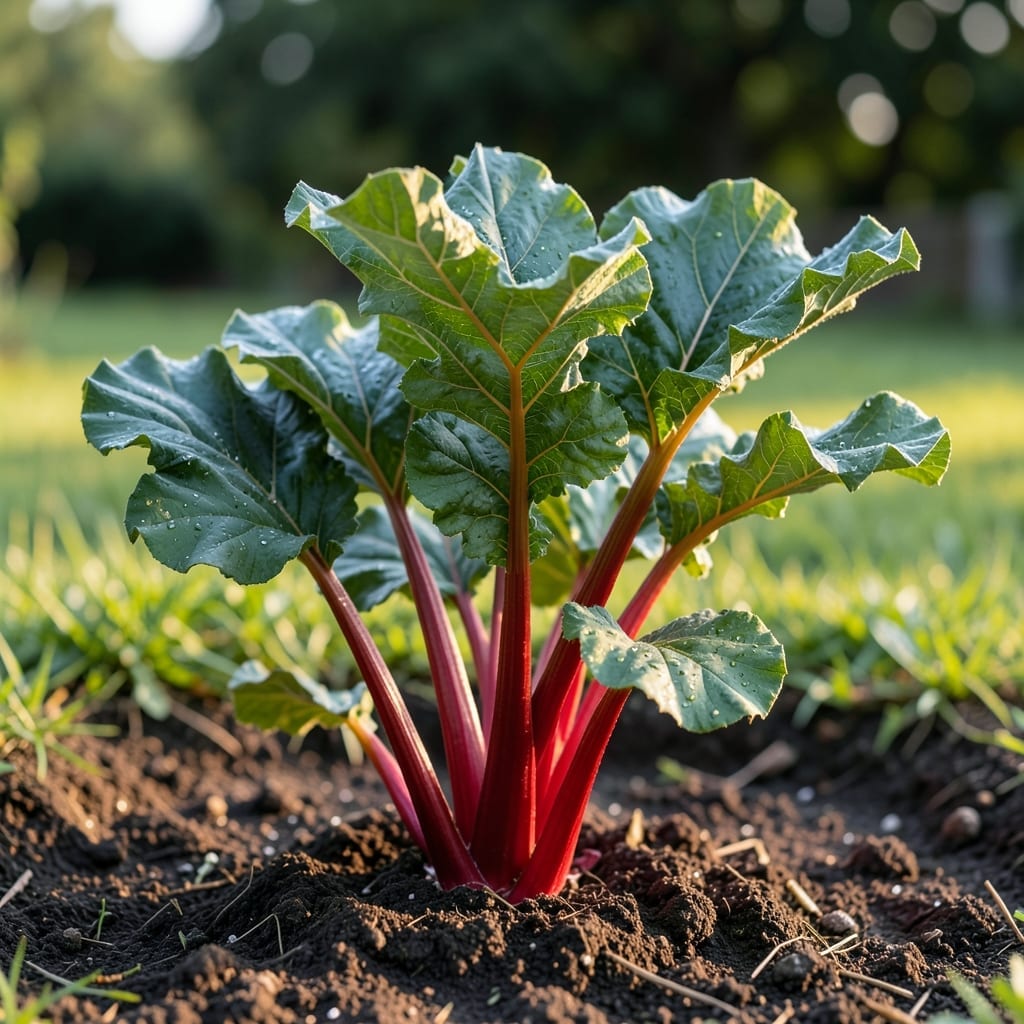
I remember the first time I planted rhubarb, I assumed it would thrive in any sunny spot. Boy, was I wrong. Getting the sunlight just right makes all the difference between healthy stalks and a struggling plant.
The 🌱 rhubarb isn’t overly picky, but it does have preferences. Too little sun, and you’ll get weak, spindly growth. Too much in scorching climates, and the leaves might scorch.
After years of trial and error, I’ve learned the sweet spot for sun exposure. It’s simpler than you might think, and I’m going to share exactly what works.
Discover how to give your rhubarb the perfect amount of sunlight for those vibrant, productive stalks you’ve been dreaming of.


If you want healthy rhubarb plants with thick, vibrant stalks, sunlight is non-negotiable. I’ve found that 6-8 hours of full sun daily is the sweet spot for most varieties. This ensures robust growth and a bountiful harvest come spring.
While rhubarb can tolerate partial shade, especially in hotter climates, too little light leads to weak, leggy stalks. In my garden, plants in full sun always outperform those in shadier spots.
| Requirement | Specification |
|---|---|
| Ideal Sunlight | 6-8 hours daily |
| Minimum Sunlight | 4-6 hours (partial shade) |
| Best for Stalks | Full sun exposure |
| Hot Climate Tip | Afternoon shade helps |
In cooler regions like USDA zones 3-6, rhubarb thrives in full sun with no issues. The extra light fuels rapid growth, especially in early spring when temperatures are still chilly.
For warmer zones 7-8, I recommend morning sun with afternoon shade. This prevents leaf scorch while still giving the plant enough light to produce strong stalks.
If you’re growing rhubarb in containers, place them where they’ll get at least 6 hours of direct sun. A south-facing patio or balcony works perfectly. Just
Leaf health is a great indicator of sunlight needs. Dark green, large leaves mean your plant is getting enough light. If leaves turn pale or yellow, it’s a sign to move the plant to a sunnier spot.
I’ve noticed that newly planted rhubarb can be more sensitive to intense sun. For the first few weeks, consider providing light shade during the hottest part of the day to help them establish.
Don’t forget that soil moisture works hand-in-hand with sunlight. Plants in full sun may need more frequent watering, especially during dry spells. Aim for 1-2 inches of water per week.
For the best results, monitor your plants throughout the growing season. Adjust their position if you notice stunted growth or weak stalks, as these are clear signs of insufficient light.
With the right balance of sunlight and care, your rhubarb will reward you with years of abundant harvests ☀️
When rhubarb plants don’t receive enough sunlight, they send clear distress signals. I’ve noticed thin, spindly stalks and small, pale leaves are the first red flags. The plant may also grow slowly or produce fewer stalks than expected. ☀️
Another telltale sign is weak coloration in both stalks and leaves. Healthy rhubarb should have vibrant red or green stalks and deep green leaves. If yours look washed out, it’s likely begging for more light. 🌱
⚠️ Warning: Sunlight Deficiency
Thin stalks, pale leaves, and stunted growth mean your rhubarb needs more sunlight. Aim for 6-8 hours daily to restore vigor.
To fix the issue, I recommend relocating your rhubarb to a sunnier spot in your garden. If that’s not possible, trim nearby plants casting shade or use reflective mulches to maximize light exposure. ✂️
In my experience, afternoon shade in extremely hot climates can be beneficial, but in cooler areas, full sun is non-negotiable. Monitor your plant’s progress after making adjustments—you should see improvement within 2-3 weeks. 🌿
If your rhubarb is in containers, move them to a south-facing balcony or patio. Rotate the pots occasionally to ensure even light distribution. This small effort can make a big difference in growth quality.
Remember, consistent sunlight is key to healthy rhubarb. If you notice these signs early and act quickly, your plant will reward you with thick, flavorful stalks come harvest time. 🌻