
Beautiful Plants For Your Interior
Beautiful Plants For Your Interior
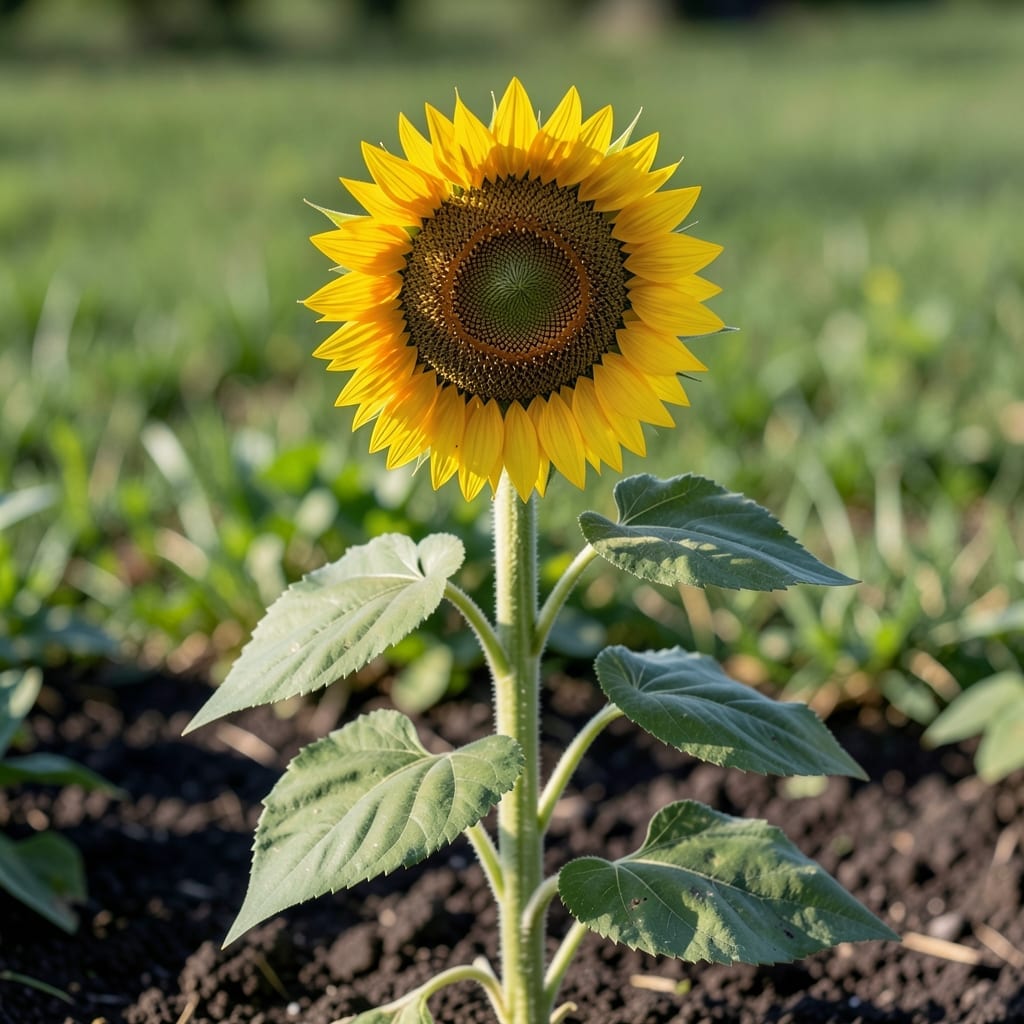
Sunflowers are iconic for their bright, cheerful blooms, but their growth hinges on one critical factor: sunlight. Without the right amount, these towering 🌻 plants can struggle to thrive.
I’ve seen gardeners disappointed when their sunflowers grow weak or fail to bloom. The truth is, most don’t realize just how much light these sun-loving giants need to reach their full potential.
Whether you’re planting in Zone 6 or a sunnier climate, understanding their needs is the key. Let me walk you through what it takes to grow strong, vibrant sunflowers.
Discover how to optimize sunlight exposure for your sunflowers and watch them flourish like never before. It’s simpler than you might think.

If you want vibrant sunflowers that reach for the sky, sunlight is non-negotiable. These sun-loving plants thrive with full sun exposure, but their needs shift slightly as they grow. I’ve found that understanding each stage helps ensure strong, healthy blooms.
From germination to maturity, sunflowers demand consistent light. Seedlings need warmth to sprout, while mature plants require intense sunlight to produce those iconic yellow heads. Let’s break it down by stage so you can optimize their growth.
| Growth Stage | Sunlight Requirement | Key Notes |
| Germination | 6-8 hours daily | Warm soil (55-60°F) speeds up sprouting. |
| Vegetative | 8+ hours daily | Full sun promotes strong stem growth. |
| Flowering | 8-10 hours daily | Maximum light ensures large, vibrant blooms. |
| Maturity | 6-8 hours daily | Maintain exposure for seed development. |
During germination, sunflowers need warm, sunlit soil to break dormancy. I always plant seeds in a spot that gets at least 6 hours of sun daily. This ensures they sprout quickly and develop strong roots.
Once seedlings emerge, the demand for light increases. At this stage, 8+ hours of direct sunlight helps them grow tall and sturdy. Without enough light, they’ll stretch weakly toward any available source, often resulting in spindly, fragile stems.
The vegetative stage is where sunflowers bulk up. They’ll grow rapidly, and full sun is critical here. If they’re shaded, they’ll focus energy on reaching for light rather than developing thick stems and large leaves.
When flower buds form, sunflowers need the most sunlight—8 to 10 hours daily. This is when they’re working hardest to produce those massive, cheerful blooms. In my experience, sunflowers in full sun always outperform those in partial shade.
At maturity, the focus shifts to seed production. While they still need 6-8 hours of sun, they’re a bit more forgiving. However, consistent light ensures seeds develop fully and heads don’t droop prematurely.
If you’re growing dwarf varieties, they can tolerate slightly less sun, but I still recommend 6-8 hours daily for the best results. Even compact sunflowers thrive with plenty of light, producing brighter, fuller blooms.
In hotter climates, afternoon shade can prevent heat stress, but morning sun is a must. I’ve seen sunflowers wilt in extreme heat, so a little shade during peak hours can actually help them retain moisture and energy.
If your sunflowers look weak or stunted, insufficient sunlight might be the culprit. These plants are sun-worshippers and need plenty of light to grow tall and strong. Without it, they’ll struggle to reach their full potential. 🌻
Watch for pale yellow leaves or thin, leggy stems—these are classic signs of light deprivation. The plant may also lean excessively toward any available light source, a condition called etiolation. This happens when they stretch desperately for more rays.
⚠️ Warning: Stunted growth, small blooms, or delayed flowering often mean your sunflower isn’t getting its 6-8+ hours of daily sunlight. Act fast to relocate it!
Another red flag is slow germination. If seedlings take longer than 7-10 days to emerge in warm soil, they might need more direct light. Move them to a sunnier spot or supplement with grow lights indoors. ☀️
Weak stems that can’t support the heavy flower heads are another indicator. Sunflowers grown in shade often lack the strength to stand upright. Staking can help temporarily, but increasing sunlight is the long-term solution.
For container-grown sunflowers, ensure they’re placed where they’ll get unfiltered sunlight for most of the day. Even a few hours of shade can make a noticeable difference in their vigor and bloom size.
If you notice these symptoms early, you can often correct the issue by adjusting their position. Sunflowers are resilient, and with the right light, they’ll bounce back quickly. 🌱